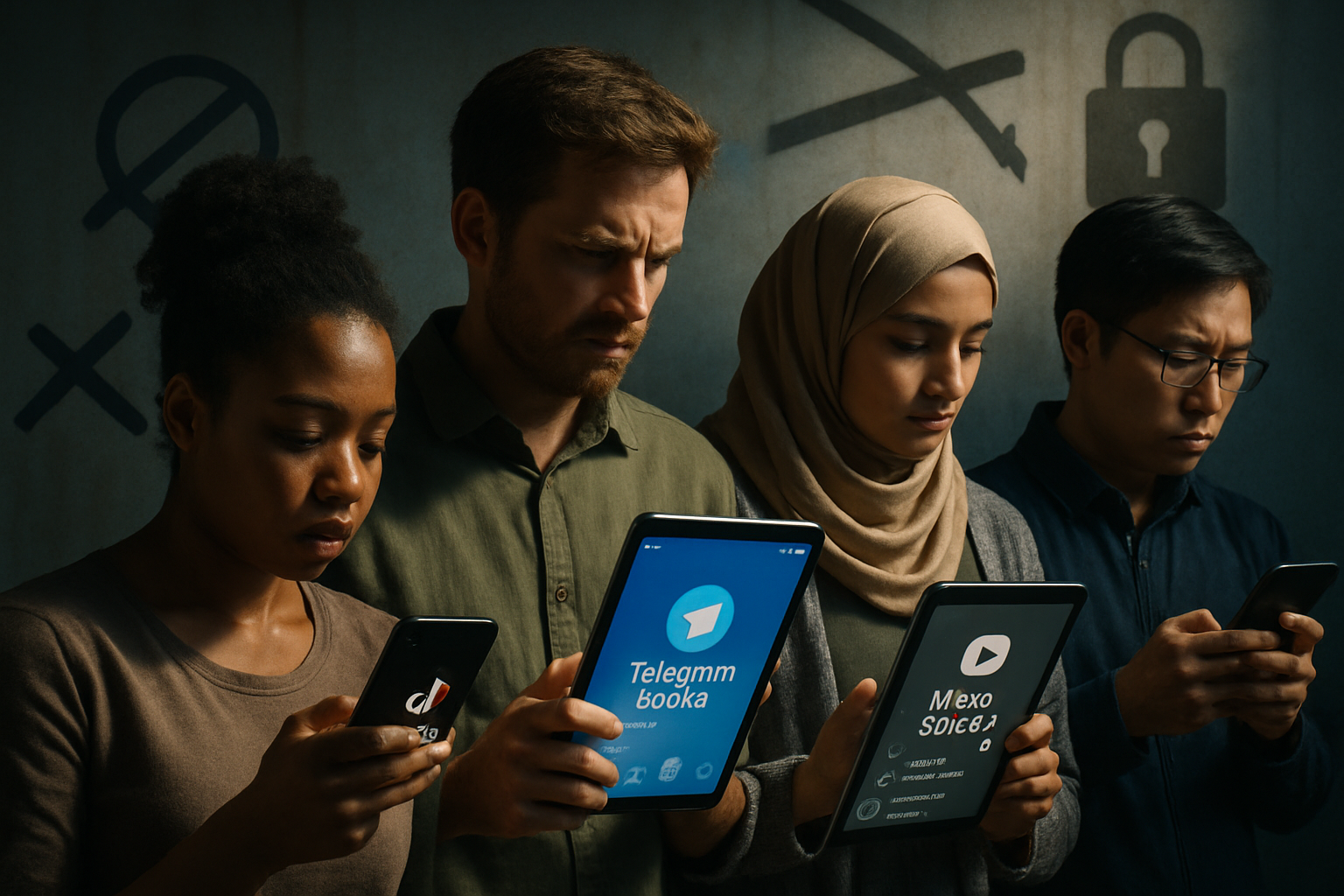
A massive wave of content creators is fleeing TikTok for alternative platforms following the platform's U.S. takeover, while simultaneously, users across multiple platforms are organizing coordinated boycotts against major tech companies over immigration policy concerns.
The exodus from TikTok has accelerated dramatically since the platform's change in ownership, with thousands of creators deleting their accounts and migrating to emerging platforms like UpScrolled. The migration comes amid mounting allegations of widespread censorship and shadowbanning on the app, fundamentally altering the social media landscape.
TikTok Creators Abandon Platform After U.S. Takeover
Following the U.S. takeover of TikTok, content creators are reporting significant restrictions on their reach and content visibility. Notable among these is Palestinian journalist and Emmy award winner Bisan Owda, who said she was banned from TikTok shortly after the ownership change. While TikTok denied these claims, Owda regained access to her account only after international media attention brought scrutiny to the case.
The controversy highlights broader concerns about content moderation policies under the platform's new ownership structure. Creators across various content categories report experiencing "shadowbanning" - a practice where posts receive reduced reach and engagement without explicit notification to the user.
"The change in ownership has fundamentally altered how the platform operates. We're seeing creators lose audiences they've built over years, with no explanation or recourse."
— Digital Rights Advocate (speaking anonymously)
UpScrolled, positioned as a TikTok alternative, has emerged as the primary destination for migrating creators. The platform promises greater transparency in its algorithm and stronger protections for content creators against arbitrary policy changes.
Telegram Expands Free Features Amid Platform Competition
In a strategic move to capitalize on the shifting social media landscape, Telegram has announced the expansion of its Stories feature to free users in Russia, Ukraine, and Iran. Previously exclusive to Telegram Premium subscribers, the feature now allows non-paying users to publish one story per day, while Premium subscribers can share up to 100 stories daily.
The Stories feature, originally launched in July 2023 as a Premium-only offering, has been gradually expanded to select countries. This latest expansion appears timed to attract users seeking alternatives to mainstream platforms experiencing policy upheavals.
The timing coincides with Telegram CEO Pavel Durov's vocal opposition to regulatory frameworks being implemented across Europe, particularly Spain's under-16 social media ban with executive criminal liability provisions.
Tech Boycott Movement Gains Momentum
Parallel to the TikTok exodus, a broader boycott movement is targeting major technology companies over their perceived cooperation with immigration enforcement agencies. The movement, which organizers describe as "sweeping," is driving users to abandon digital services from major tech giants.
Participants in the boycott are returning to pre-digital alternatives, including DVDs for entertainment and public transit instead of ride-sharing apps. The movement represents a coordinated effort to pressure technology companies by reducing their user bases and revenue streams.
"We're seeing people make significant lifestyle changes to align their consumption patterns with their political values. This goes far beyond just switching platforms."
— Tech Industry Analyst
The boycott specifically targets companies that participants believe are enabling current administration policies they oppose. This includes major platforms, cloud services providers, and consumer technology companies.
Regulatory Pressure Intensifies Globally
These platform migrations occur against a backdrop of unprecedented global regulatory pressure on social media companies. European nations, led by Spain, are implementing strict age verification requirements and holding platform executives personally liable for policy violations.
Spain's comprehensive framework includes criminal liability for platform executives, mandatory age verification systems, and legal definitions of algorithmic manipulation. The model is being adopted across Europe, with Greece "very close" to implementing similar under-15 restrictions and other nations conducting formal consultations.
The regulatory wave has prompted industry resistance, with tech leaders characterizing government interventions as authoritarian overreach. However, these characterizations have been used by government officials as evidence supporting their regulatory frameworks.
Impact on Content Creator Economy
The migration away from established platforms poses significant challenges for content creators who have built substantial followings and monetization strategies on TikTok. Many creators report losing years of audience development and revenue streams.
Alternative platforms like UpScrolled are attempting to address these concerns by offering creator-friendly monetization options and transparency guarantees. However, these platforms lack the massive user bases that made TikTok financially viable for many creators.
The creator economy disruption extends beyond individual earnings to affect brands, marketing agencies, and the broader digital advertising ecosystem that has developed around major social platforms.
Global Implications for Digital Communication
The simultaneous occurrence of platform migration, regulatory enforcement, and coordinated boycotts represents a fundamental shift in global digital communication patterns. Users are demonstrating willingness to abandon familiar platforms for political, social, or policy reasons.
This trend challenges the assumption that social media platforms have become too embedded in daily life to face significant user exodus. The current wave of migration suggests users retain agency in platform selection when their values or interests conflict with platform policies.
International observers are monitoring these developments as potential precedents for how democratic societies balance platform regulation, user rights, and corporate accountability in the digital age.
Looking Forward: Platform Fragmentation
The current migration patterns point toward increased fragmentation in the social media landscape. Rather than a few dominant platforms serving global audiences, users appear to be self-sorting into specialized platforms aligned with their values and interests.
This fragmentation could have significant implications for information sharing, social cohesion, and the ability to maintain shared cultural conversations across diverse populations. Platform-specific communities may become increasingly isolated from alternative viewpoints and experiences.
The long-term success of alternative platforms will depend on their ability to maintain user trust while building sustainable business models that don't rely on the data collection and advertising practices that have driven user concerns about major platforms.
As February 2026 continues, the social media landscape appears poised for its most significant restructuring since the emergence of major platforms over the past decade. The outcomes will likely influence how digital communication evolves for years to come.