Ian Huntley, the convicted child killer who murdered Holly Wells and Jessica Chapman in Soham in 2002, has died in hospital after being attacked with a metal bar at a maximum security prison, bringing an end to more than two decades of incarceration for one of Britain's most notorious crimes.
The 49-year-old former school caretaker was reportedly assaulted at HMP Frankland and had his life support switched off on Friday, March 6, 2026, according to multiple sources familiar with the case. Huntley had been hospitalized since late February following the attack that left him with severe head injuries.
The death marks the conclusion of a case that shocked Britain and led to sweeping changes in child protection protocols. On August 4, 2002, Huntley lured the two 10-year-old best friends into his home in Soham, Cambridgeshire, where he murdered them after they had left a family barbecue to buy sweets.
The Original Crime That Horrified Britain
Holly Wells and Jessica Chapman disappeared on that summer evening in 2002, sparking one of the largest police searches in British history. Their bodies were discovered 13 days later in a remote area near RAF Lakenheath in Suffolk, but not before Huntley had appeared on television appealing for their safe return alongside his then-girlfriend Maxine Carr, who worked as a teaching assistant at the girls' school.
The case captivated international attention, with the girls' Manchester United football shirts becoming an enduring symbol of innocence lost. The extensive search involved thousands of volunteers and dominated headlines across the UK and beyond.
Huntley was found guilty of their murders in December 2003 and sentenced to two life terms with a minimum of 40 years. Carr received a three-and-a-half-year sentence for perverting the course of justice by providing a false alibi for Huntley.
Prison Life and Previous Incidents
Throughout his incarceration, Huntley faced numerous threats from other inmates and required protection in various high-security facilities. He had previously attempted suicide multiple times and was frequently moved between prisons for his own safety.
Sources within the prison system indicated that Huntley remained one of the most hated inmates in the UK prison system, requiring constant vigilance from authorities to protect him from other prisoners who viewed child killers as the lowest form of criminal.
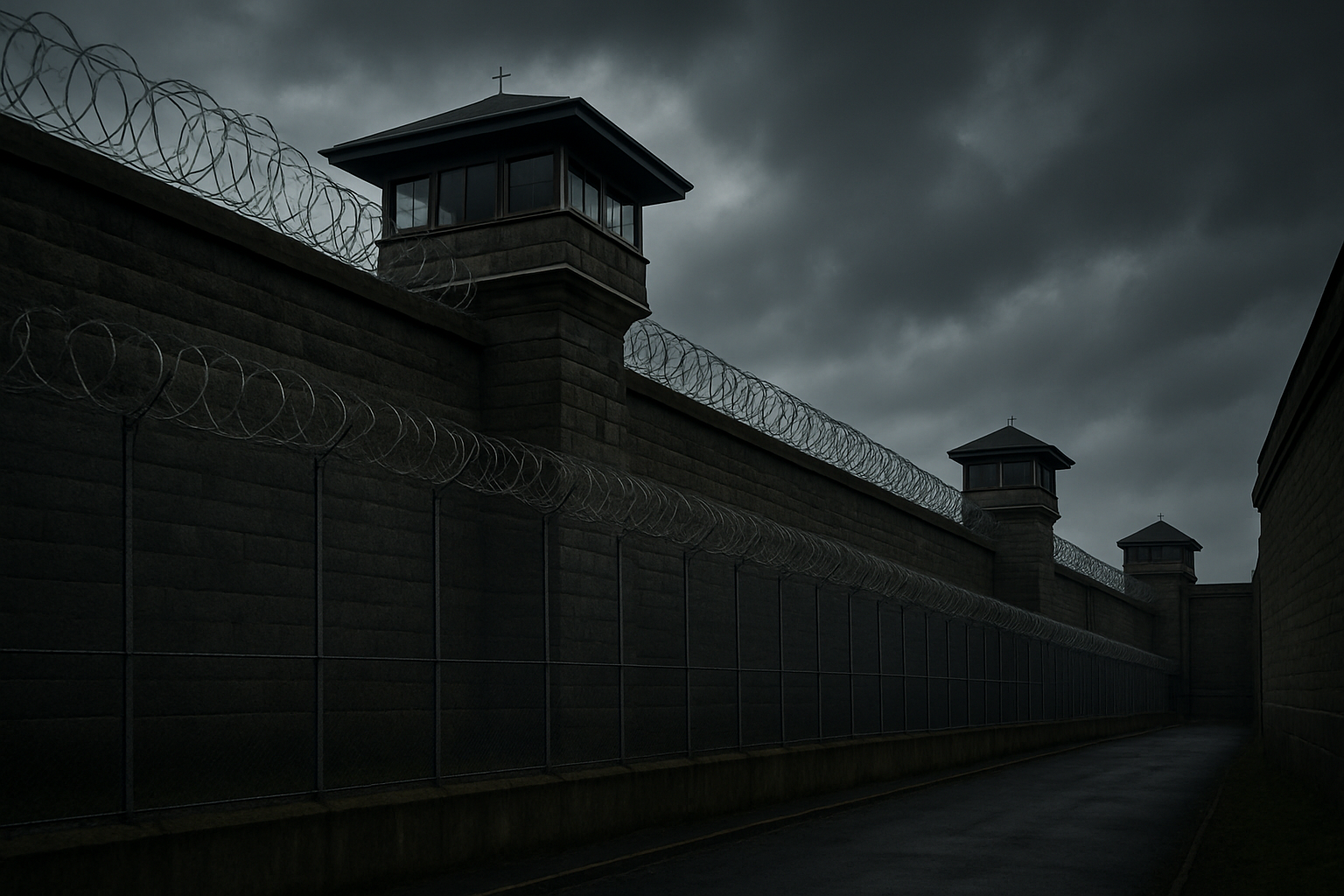
The attack that ultimately led to his death occurred at HMP Frankland in County Durham, a Category A maximum security prison that houses some of Britain's most dangerous criminals. The facility has previously been the scene of violent incidents involving high-profile inmates.
Impact on Soham Community
The small Cambridgeshire village of Soham, with a population of around 10,000, has continued to grapple with the aftermath of the murders more than two decades later. Local residents have largely chosen to focus on remembering the victims rather than their killer.
"Soham won't waste its breath on Huntley. The trauma and aftermath of events in 2002 are still having an impact on the Cambridgeshire village, but we choose to honor Holly and Jessica's memory instead."
— Local community representative
The village has established memorial gardens and continues to hold annual remembrance services for the two girls. Many residents have expressed that while they acknowledge Huntley's death, their focus remains on supporting the families and preserving the positive legacy of Holly and Jessica.
Legal and Systemic Changes
The Soham murders led to significant reforms in how schools conduct background checks on staff. The case highlighted serious failings in the vetting system that allowed Huntley to gain employment at a school despite previous allegations against him.
The introduction of enhanced Criminal Records Bureau (CRB) checks, later replaced by the Disclosure and Barring Service (DBS), was a direct result of the investigation into how Huntley had been able to work in a position of trust with children.
The case also prompted reviews of information sharing between police forces and led to the development of more robust child protection protocols across educational institutions nationwide.
Prison System Under Scrutiny
Huntley's death highlights ongoing challenges within the UK prison system, particularly regarding the safety of high-profile inmates and those convicted of crimes against children. Prison authorities face the complex task of protecting such prisoners while managing overcrowding and limited resources.
The incident raises questions about whether adequate measures were in place to protect Huntley, despite the nature of his crimes. Prison reform advocates argue that regardless of an individual's offenses, the state has a responsibility to ensure their safety while in custody.
Investigation Into Prison Attack
A full investigation into the circumstances surrounding Huntley's attack and subsequent death is expected to be launched. This will likely examine security protocols at HMP Frankland and whether proper procedures were followed to protect high-risk inmates.
The Prisons and Probation Ombudsman typically investigates all deaths in custody, with particular scrutiny applied to cases involving violence. The investigation will seek to determine whether the attack could have been prevented and if any systemic failures contributed to the incident.
Closure for the Families
While the families of Holly Wells and Jessica Chapman have maintained their privacy over the years, the news of Huntley's death may represent a form of closure to a chapter that has defined their lives for more than two decades.
The girls' families have consistently chosen to focus on celebrating the lives of their daughters rather than dwelling on their killer. They have supported various charitable causes and worked to ensure that positive changes emerged from their tragic loss.
Legacy and Lessons Learned
The Soham case remains one of the most significant criminal cases in modern British history, not only for the horrific nature of the crimes but for the systemic changes it prompted. The murders exposed critical weaknesses in child protection systems and led to reforms that continue to protect children today.
Educational institutions now operate under much stricter safeguarding protocols, with enhanced background checks and information sharing between agencies. The case serves as a constant reminder of the importance of vigilance in protecting children from those who would harm them.
As news of Huntley's death spreads, it serves as a somber conclusion to one of Britain's most notorious criminal cases. While his death may bring a sense of finality to the story, the memory of Holly Wells and Jessica Chapman continues to inspire efforts to protect children and ensure that such tragedies are never repeated.
The focus now will likely shift to the ongoing investigation into his death and the broader questions it raises about prison safety and the treatment of high-profile inmates within the UK's correctional system.