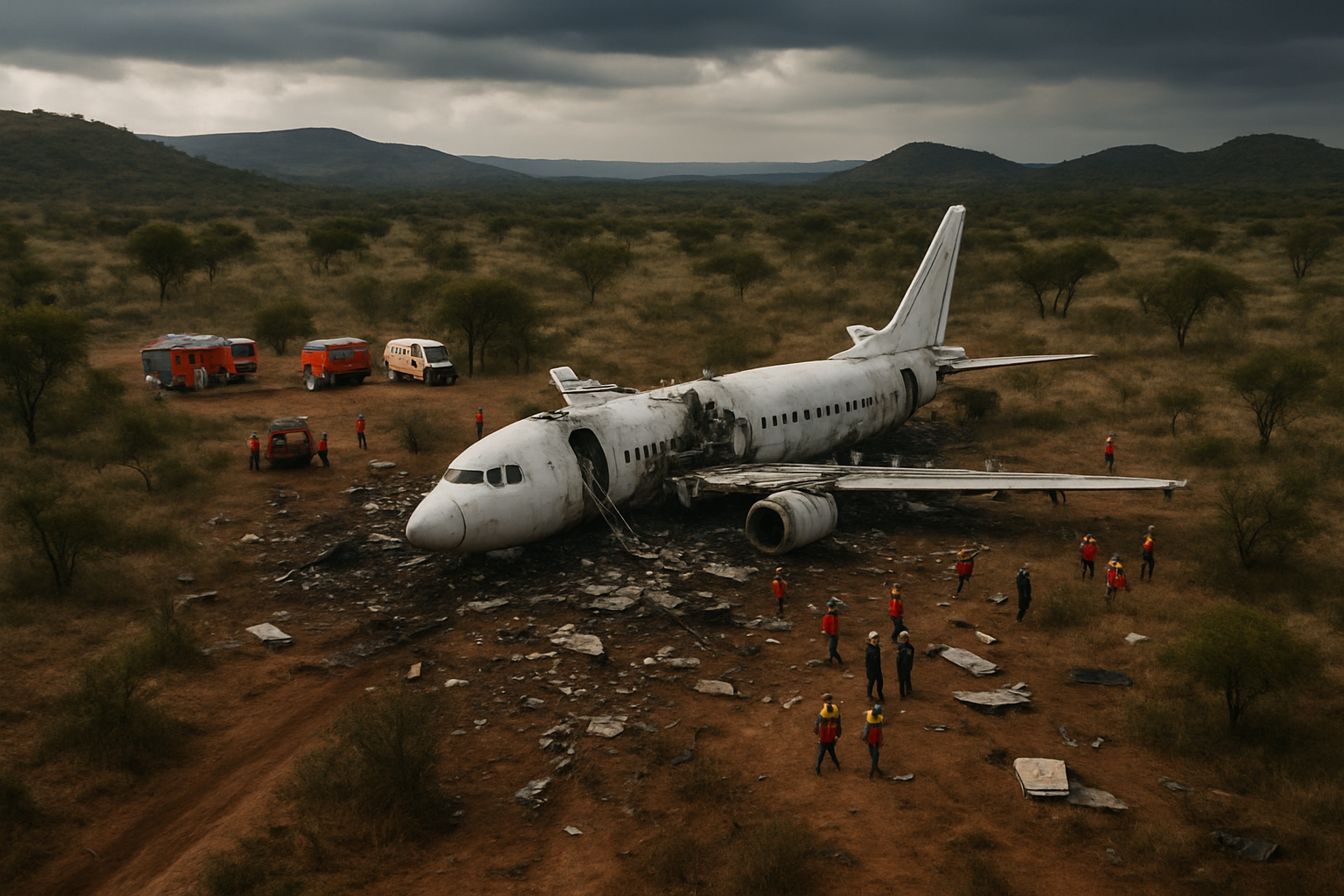
A Cessna aircraft crashed Monday morning near South Sudan's capital Juba, killing all 14 people on board including two Kenyan nationals, according to local authorities. The tragedy marks another devastating blow to aviation safety in the world's youngest nation, which continues to struggle with transport infrastructure challenges amid ongoing instability.
The small passenger aircraft departed Juba International Airport at 9:15 AM local time before crashing approximately 20 kilometers from the capital with no survivors, the South Sudanese Civil Aviation Authority confirmed. Among the 14 fatalities were two Kenyan citizens, highlighting the international scope of the tragedy in a region heavily dependent on air transport for connectivity.
Weather Conditions and Investigation
Preliminary reports from the South Sudanese Civil Aviation Authority indicate the Cessna aircraft may have crashed due to bad weather conditions that caused low visibility during the Monday morning flight. The aircraft experienced difficulties shortly after takeoff from Juba International Airport, with authorities establishing that the crash occurred in the afternoon hours of April 27.
South Sudanese officials have launched a comprehensive investigation into the circumstances surrounding the crash, examining multiple factors including mechanical failure, weather conditions, and operational procedures. The investigation will focus particularly on the challenging weather conditions that may have contributed to the reduced visibility during the flight.
South Sudan's Aviation Safety Challenges
This latest tragedy underscores the persistent aviation safety challenges facing South Sudan, a nation that has struggled with transport infrastructure development since gaining independence in 2011. The country's aviation sector has been plagued by a combination of factors including aging aircraft, inadequate maintenance facilities, challenging weather conditions, and limited infrastructure investment.
South Sudan's reliance on air transport has intensified due to poor road infrastructure and security concerns that make ground transportation impractical or dangerous in many regions. This dependency on aviation makes safety improvements critical for connecting remote communities and enabling economic development in the landlocked nation.
"South Sudan also lacks reliable transport infrastructure with frequent plane crashes attributed to overloading and bad weather."
— South Sudanese Civil Aviation Authority
Regional Aviation Safety Context
The Juba crash adds to a concerning pattern of aviation incidents across Africa in 2026, reflecting broader challenges facing the continent's aviation sector. African nations have experienced multiple aviation accidents this year, highlighting systemic issues including aging aircraft fleets, maintenance challenges, weather-related risks, and infrastructure limitations.
Kenya's involvement in this tragedy, with two nationals among the casualties, demonstrates the interconnected nature of East African aviation networks and the regional impact of safety failures. The incident will likely prompt discussions between Kenya and South Sudan regarding aviation safety cooperation and passenger protection protocols.
International Response and Support
The international community has expressed condolences following the crash, with regional partners expected to offer technical assistance for the investigation. Aviation safety experts emphasize that improving South Sudan's aviation infrastructure requires sustained international cooperation, technical training, and financial investment in modern safety systems.
The tragedy occurs during a period when South Sudan is working to rebuild its institutions and infrastructure following decades of conflict. The country's aviation sector faces particular challenges in meeting international safety standards while serving essential connectivity needs for both domestic and international passengers.
Broader Infrastructure Development Needs
This crash highlights the urgent need for comprehensive transport infrastructure development in South Sudan. The country's limited road network and security challenges make aviation a critical lifeline for connecting remote regions, delivering humanitarian aid, and supporting economic development efforts.
Recent infrastructure developments in South Sudan include a historic $2 billion gold-backed roads deal approved in February 2026, which aims to construct over 1,000 kilometers of strategic roadways. However, until such ground infrastructure is completed, aviation remains essential for connectivity, making safety improvements an immediate priority.
Looking Forward: Safety Improvements Needed
Aviation safety experts stress that preventing future tragedies in South Sudan will require a multi-faceted approach including modernized aircraft fleets, enhanced maintenance capabilities, improved weather monitoring systems, and better-trained personnel. International cooperation will be essential to provide the technical expertise and financial resources necessary for these improvements.
The investigation into Monday's crash will provide valuable insights that could help prevent similar incidents in the future. As South Sudan continues its challenging journey toward stability and development, ensuring safe and reliable air transport remains crucial for the country's progress and the safety of all who depend on aviation services in the region.