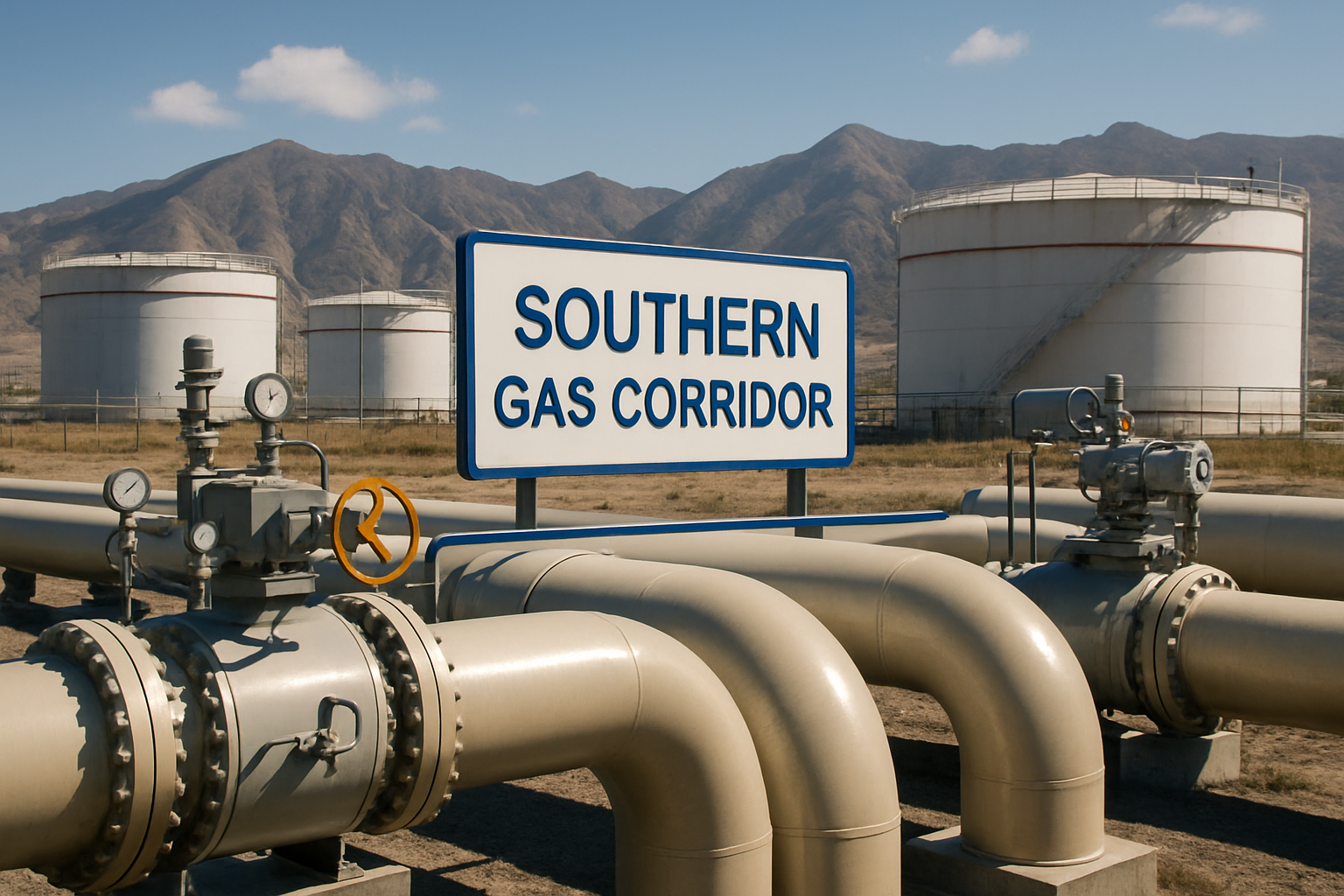
Turkey has called for the full utilization of the Southern Gas Corridor's capacity to better meet regional energy demands, while Azerbaijan's Baku-Supsa Pipeline has achieved a significant milestone by transporting 738 million barrels of oil since operations began, underscoring the critical importance of regional energy infrastructure during a period of global energy volatility.
Speaking at the Antalya Diplomacy Forum, a senior Turkish official emphasized that the Southern Gas Corridor should operate at its maximum capacity to address growing energy security concerns across the region. This declaration comes at a particularly crucial time when global energy markets face unprecedented pressures and supply chain disruptions.
Record-Breaking Pipeline Performance
According to the State Oil Company of Azerbaijan Republic (SOCAR), the Baku-Supsa Pipeline has successfully transported a total of 738 million barrels of oil as of April 1, 2026. This achievement represents a significant milestone for Azerbaijan's energy export capabilities and demonstrates the pipeline's crucial role in regional energy security.
The Baku-Supsa Pipeline, which connects Azerbaijan's oil fields to the Black Sea terminal, has proven to be a vital component of the country's energy infrastructure. The pipeline provides an alternative route for Azerbaijani oil exports, reducing dependence on single transportation corridors and enhancing energy security for both Azerbaijan and its international partners.
Strategic Context for Regional Energy Infrastructure
These developments occur against the backdrop of significant global energy market volatility. Throughout 2025 and early 2026, the world has witnessed severe energy crises that have highlighted the critical importance of diversified energy transportation routes and reliable infrastructure.
The Southern Gas Corridor, which connects Caspian gas reserves to European markets through Turkey, represents a cornerstone of regional energy security. The corridor includes the South Caucasus Pipeline, Trans-Anatolian Natural Gas Pipeline (TANAP), and Trans Adriatic Pipeline (TAP), creating a comprehensive network that serves multiple European markets.
"Regional energy infrastructure has never been more important for global stability and economic security."
— Energy Infrastructure Analyst
Azerbaijan's Energy Diversification Success
Azerbaijan has emerged as a key player in regional energy coordination, recognized by the U.S. Chamber of Commerce for its strategic East-West energy corridor role. The country has achieved remarkable economic diversification, with non-oil GDP reaching 52.7% of total output by December 2025, providing a stable foundation for continued energy sector investment.
The success of the Baku-Supsa Pipeline, alongside other major projects like the Baku-Tbilisi-Ceyhan Pipeline and Southern Gas Corridor components, positions Azerbaijan as a crucial energy hub linking Caspian resources with global markets. This strategic positioning has proven invaluable during periods of global energy supply uncertainty.
Regional Cooperation and Future Prospects
Turkey's call for maximizing Southern Gas Corridor capacity reflects broader regional cooperation efforts to enhance energy security. The corridor's full utilization would provide significant benefits for European energy diversification while strengthening Turkey's position as a key energy transit country.
Recent developments have demonstrated the importance of having multiple energy transportation routes and reliable infrastructure. The Southern Gas Corridor and complementary pipelines like Baku-Supsa provide essential alternatives that enhance overall regional energy resilience.
Technology and Infrastructure Modernization
Modern energy infrastructure projects increasingly incorporate advanced digital monitoring systems, predictive maintenance capabilities, and smart grid management technologies. These technological integrations enable real-time optimization of pipeline operations while ensuring environmental compliance and safety standards.
The success of Azerbaijan's pipeline network has been supported by substantial international partnerships and investments. Major energy companies have committed billions of dollars to the region's energy infrastructure, including bp's $3.4 billion investment in the Shah Deniz gas field project.
Global Energy Market Implications
The reliable operation of pipelines like Baku-Supsa and infrastructure networks like the Southern Gas Corridor has gained increased significance as global energy markets navigate various challenges. Natural gas prices have experienced substantial volatility, with increases of 24% in Europe and 78% in the United States highlighting the critical importance of supply security.
These infrastructure developments support broader energy security objectives while contributing to regional economic development. The transportation of 738 million barrels through the Baku-Supsa Pipeline represents not just a logistical achievement but also a demonstration of sustained operational reliability that energy markets require.
Looking Forward
As regional energy infrastructure continues to evolve, projects like the Southern Gas Corridor and Baku-Supsa Pipeline will remain central to energy security strategies. The combination of reliable transportation infrastructure, technological advancement, and international cooperation provides a foundation for addressing future energy challenges.
The emphasis on maximizing existing pipeline capacity, as called for by Turkish officials, reflects a pragmatic approach to energy security that prioritizes the optimization of proven infrastructure while supporting long-term strategic planning for regional energy development.
These developments demonstrate how regional energy cooperation and infrastructure investment create lasting benefits for energy security, economic development, and international partnership. As global energy markets continue to face challenges, the importance of reliable, diversified energy transportation infrastructure will only continue to grow.