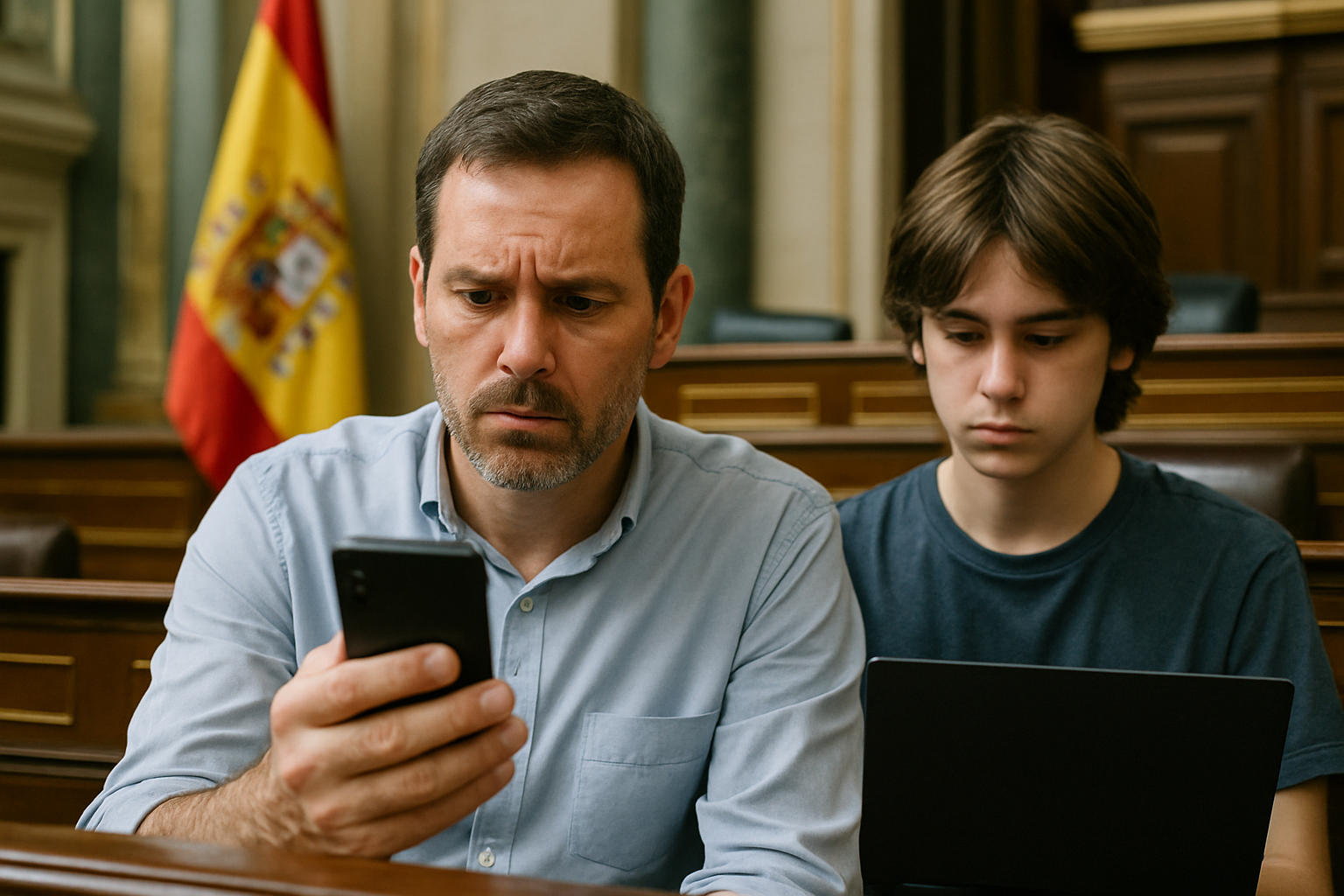
Spain has announced ambitious plans to ban social media access for children under 16 years old, positioning itself at the forefront of a growing international movement to protect minors from what Prime Minister Pedro Sánchez calls the "digital Wild West."
Speaking at the World Governments Summit in Dubai on Tuesday, Sánchez unveiled a comprehensive five-point framework that goes beyond simple age restrictions to establish unprecedented criminal liability for platform executives and mandatory age verification systems.
"We will protect them from the digital Wild West," Sánchez declared, referencing the need to shield children from "abuse, addiction, pornography and violence" proliferating across social media platforms.
Following Australia's Pioneering Model
Spain's announcement follows Australia's groundbreaking decision to become the world's first country to implement a nationwide under-16 social media ban in late 2025. Since implementation, Australia has successfully eliminated over 4.7 million teen accounts from major platforms, providing a practical roadmap for other nations considering similar measures.
The Spanish plan includes five key components: complete social media prohibition for under-16s, mandatory robust age verification systems that go beyond simple checkboxes, legal definitions of algorithmic manipulation, direct criminal liability for platform executives, and digital sovereignty protections.
Unlike Australia's focus primarily on access restrictions, Spain's approach introduces criminal penalties for company executives found responsible for "illegal or harmful content" on their platforms – a legal precedent that could reshape global platform accountability.
European Coordination Emerges
Spain is not acting alone. Greece has announced it is "very close" to implementing its own under-15 ban, utilizing the Kids Wallet application launched in 2025 as an enforcement mechanism. This represents a coordinated European response that extends beyond individual national initiatives toward a unified regulatory framework.
France, Denmark, and Austria have also announced they are actively considering national age limits, while the UK government has launched formal consultations on similar measures. The synchronized timing suggests extensive behind-the-scenes coordination among European Union member states.
"This represents the most aggressive European digital platform regulation to date," noted digital policy experts. "It's a fundamental shift from industry self-regulation to government enforcement with criminal executive liability."
Industry Backlash and Tech Giant Response
The announcement triggered immediate and fierce opposition from tech industry leaders. Elon Musk, owner of X (formerly Twitter), responded furiously on his platform, calling Sánchez both "fascist totalitarian" and a "traitor to Spanish people." The response occurred amid Musk's escalating legal troubles across Europe, including French cybercrime raids on X's Paris offices and formal summons for sexual deepfake violations.
Musk's reaction highlights the broader tension between Silicon Valley's business model, which relies heavily on user engagement and data collection, and growing governmental concern about platform impacts on children's mental health and development.
The timing of Spain's announcement coincides with Musk's $1.25 trillion SpaceX-xAI merger announcement, potentially complicating the planned IPO and raising questions about how regulatory pressures might affect tech company valuations globally.
Implementation Challenges and Technical Requirements
While Spain has not provided a specific timeline, implementation is expected throughout 2026. The plan requires developing robust age verification technology that balances effectiveness with privacy concerns – a technical challenge that has proven difficult for other jurisdictions.
The requirement for "real age verification systems—not just checkboxes" suggests Spain intends to mandate identity document verification or biometric authentication, raising questions about data protection and privacy rights for all users, not just minors.
International enforcement cooperation will be essential, given that major social media platforms operate across borders. The criminal liability provision for executives creates personal legal risks that go beyond traditional corporate penalties, potentially affecting how global companies structure their operations.
Global Regulatory Momentum
Spain's initiative reflects broader global momentum toward stricter social media regulation. Beyond Europe, countries across multiple continents are examining similar measures, with some experts predicting a "domino effect" if Spain's implementation proves successful.
The health impacts remain under study, with Australia's data still inconclusive despite successful account elimination. However, child advocacy groups worldwide report increasing concerns about predators using AI to analyze children's online behavior for targeted exploitation.
Malaysia has emphasized the digital sovereignty aspects of such regulations, while Germany's media has noted the growing global trend toward platform accountability. The initiatives represent a test of the balance between child protection and digital rights in an increasingly connected world.
Economic and Social Implications
The Spanish plan could have significant economic implications for social media companies, particularly those that derive substantial revenue from younger user demographics. Compliance costs for implementing robust age verification systems could be substantial, while the threat of criminal liability for executives represents an unprecedented escalation in regulatory enforcement.
For Spanish families, the ban would fundamentally alter how children and teenagers interact with digital technology. Educational institutions and youth organizations would need to develop alternative digital literacy and social connection frameworks.
The broader European coordination suggests this could become a continental standard, potentially affecting how global platforms design their services and potentially influencing regulatory approaches in other regions.
Looking Ahead
Spain's announcement represents a critical test case for whether democratic governments can successfully regulate global technology platforms while balancing child protection with digital rights and economic innovation.
The international community is closely monitoring implementation details, enforcement mechanisms, and effectiveness metrics. Success could trigger similar legislation across Europe and beyond, while failure might strengthen industry arguments against government intervention in digital platform operations.
Parliamentary approval remains required, but with broad public support for child protection measures, passage appears likely. The coming months will determine whether Spain can successfully transform its ambitious regulatory vision into practical, enforceable policy that protects children while navigating the complex challenges of digital age governance.
As this story develops, the global implications of Spain's digital protection initiative will likely extend far beyond its borders, potentially reshaping how societies worldwide approach the intersection of child welfare and technological innovation in the 21st century.