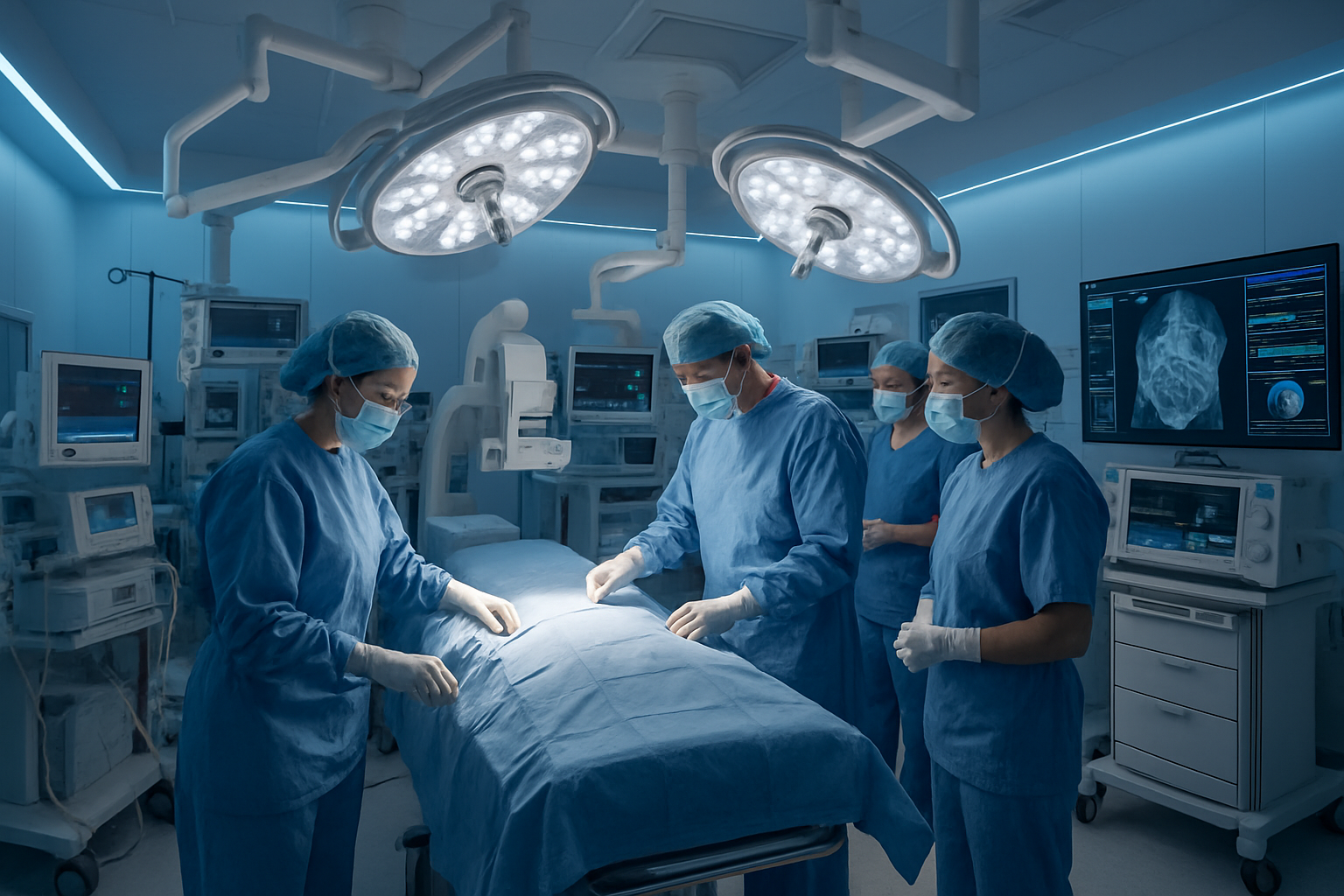
Spanish doctors at a Barcelona hospital have achieved a world-first medical breakthrough by successfully performing a face transplant using organs from a donor who underwent assisted dying, opening new possibilities for organ transplantation and challenging traditional medical protocols.
The groundbreaking procedure, which has been hailed as historic by the international medical community, represents a significant advancement in transplant surgery and raises important questions about organ donation protocols in cases involving euthanasia patients.
The Historic Procedure
According to reports from Spanish medical sources, the transplant was performed at a leading hospital in Barcelona, where a specialized surgical team successfully completed the complex face transplantation procedure using tissue from a donor who had undergone assisted dying. The recipient, identified as Carme, a Spanish woman, has shared her experiences both before and after the life-changing intervention.
Face transplants are among the most complex surgical procedures in modern medicine, requiring teams of dozens of specialists working in coordination for sessions that can last up to 24 hours. The surgery involves the careful transfer of facial tissue, muscles, nerves, and blood vessels from donor to recipient, followed by extensive rehabilitation and lifelong immunosuppressive therapy.
Breaking New Ground in Organ Donation
What makes this case particularly significant is the source of the donor organs. This marks the first time globally that a face transplant has been performed using organs from someone who underwent euthanasia or assisted dying. The development could potentially expand the pool of available organs for transplantation, as patients who choose assisted dying often have organs that are in better condition compared to those who die from prolonged illness or trauma.
The timing and controlled nature of assisted dying procedures may allow medical teams to better preserve organs and optimize transplantation outcomes. However, the practice also raises complex ethical and legal questions that vary significantly across different countries and medical systems.
Patient's Journey and Recovery
Carme, the transplant recipient, has spoken about her experiences surrounding the procedure, providing insight into both the pre-operative preparations and post-surgical recovery process. Face transplant recipients typically require extensive psychological support alongside their medical care, as they must adapt to significant changes in their appearance and identity.
The recovery process for face transplant patients is lengthy and complex, involving multiple stages of healing, rehabilitation, and adjustment. Recipients must take immunosuppressive medications for life to prevent rejection of the transplanted tissue, while also working with specialists to regain facial function and expression.
Medical and Ethical Implications
This breakthrough procedure highlights the evolving landscape of transplant medicine and the ongoing discussions about organ donation protocols. While assisted dying is legal in several countries, including Spain, Belgium, the Netherlands, and parts of the United States, the intersection with organ transplantation represents relatively uncharted territory.
Medical ethicists and transplant specialists will likely examine this case closely to understand its implications for future protocols and guidelines. The procedure could potentially influence how the medical community approaches organ procurement in jurisdictions where assisted dying is legal.
Global Context of Face Transplants
Face transplants remain extremely rare procedures worldwide, with fewer than 50 having been performed since the first partial face transplant was conducted in France in 2005. The complexity of the surgery, combined with the significant risks and lifelong commitment required from recipients, means that these procedures are reserved for patients with the most severe facial injuries or deformities.
The success of this Spanish case could contribute to advancing techniques and protocols for future face transplants, potentially improving outcomes for patients who might benefit from this life-changing surgery.
Looking Forward
As the medical community continues to analyze and learn from this historic case, the successful outcome in Barcelona may pave the way for similar procedures in the future. The intersection of assisted dying and organ transplantation represents a new frontier in medical ethics and practice that will require careful consideration and ongoing dialogue among healthcare professionals, ethicists, and policymakers.
The Spanish medical team's achievement demonstrates the continued evolution of transplant medicine and the potential for innovative approaches to help patients who need life-changing surgical interventions. As recovery continues for the recipient, this case will undoubtedly influence future discussions about organ donation protocols and the possibilities for helping patients with severe facial injuries or conditions.