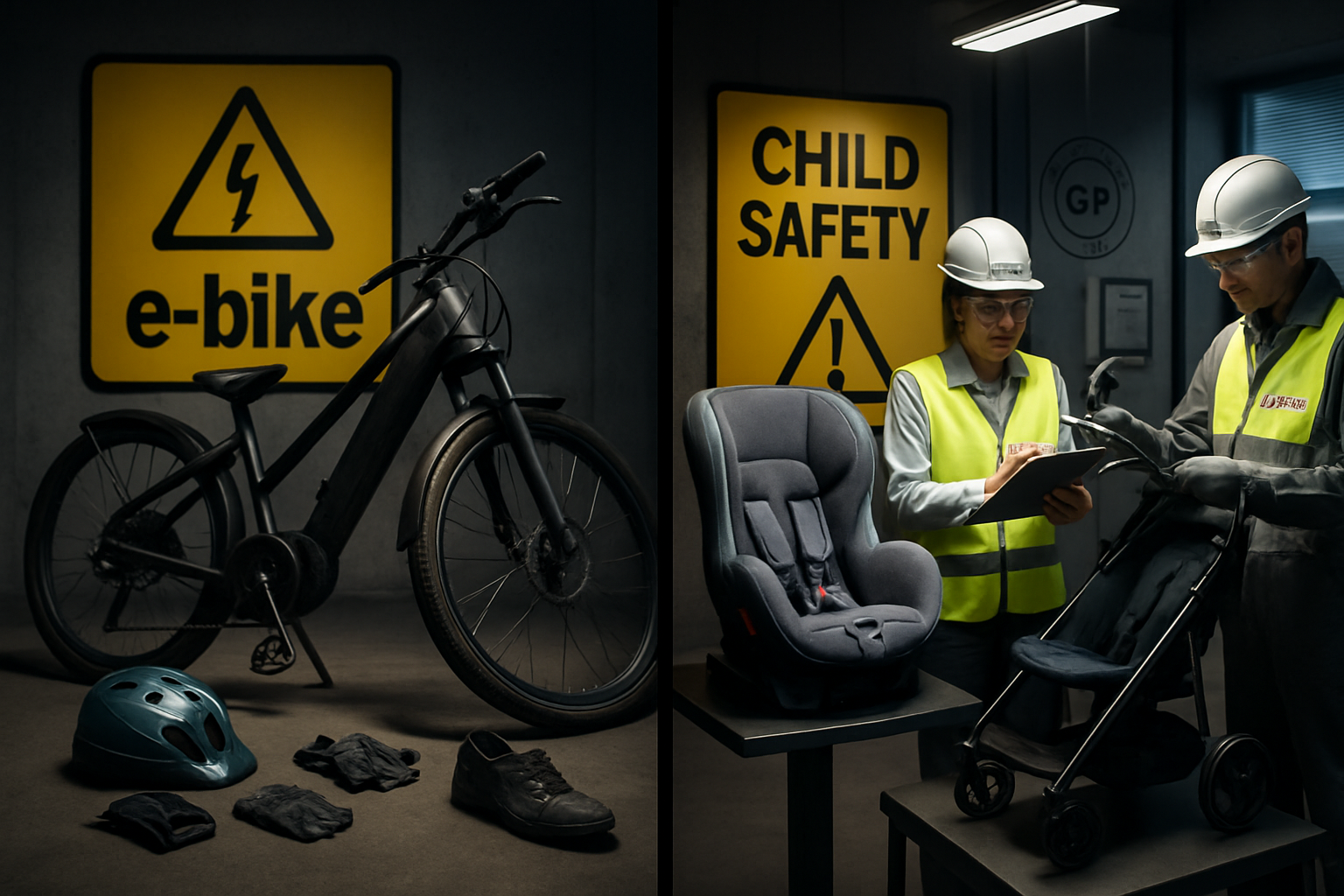
Growing safety concerns over e-bike fatalities among teenagers and baby equipment failures are prompting urgent warnings from safety experts and investigations into product standards, as parents struggle to navigate conversations about risk while authorities work to strengthen protection measures.
Two distinct but related safety crises are emerging across different demographics, with teenagers facing increased risks from e-bike accidents and infants being endangered by faulty baby equipment. These incidents highlight broader challenges in sports and recreational equipment safety that experts say require immediate attention and coordinated responses.
E-Bike Safety Crisis Among Teenagers
Australian safety experts are issuing warnings about a concerning trend of e-bike fatalities among teenagers, with specialist advice emphasizing the difficulty of engaging young people in meaningful safety conversations. The Sydney Morning Herald reports that getting teenagers to discuss safety protocols remains challenging, even as accident rates continue to climb.
E-bikes, which have surged in popularity among young riders, present unique safety challenges due to their higher speeds compared to traditional bicycles and the tendency for teenage users to underestimate the risks involved. The combination of inexperience, risk-taking behavior typical of adolescents, and the increased power of electric bikes creates a particularly dangerous scenario.
"Getting teenagers to engage in conversations about safety isn't easy, but this expert advice will help."
— Sydney Morning Herald Safety Report
Safety experts recommend that parents approach these conversations with patience and practical demonstrations rather than lectures. Key strategies include involving teenagers in the selection of proper safety equipment, demonstrating the physics of e-bike accidents through controlled examples, and establishing clear rules about where and when e-bikes can be operated.
Baby Equipment Failures Raise Alarm
Meanwhile, a separate safety crisis is unfolding in Norway, where baby equipment failures are causing serious injuries to infants. A particularly alarming incident involved Ida Skarboe's twins, who were injured when their hanging cradle (hengevugge) collapsed while she was in the kitchen.
According to Norwegian broadcaster NRK, Skarboe heard a crash followed by children crying. When she rushed to the living room, she found her twins on the floor after the hanging cradle had broken, demonstrating how quickly infant safety equipment can fail with potentially devastating consequences.
The incident highlights a broader issue with secondhand baby equipment, as many parents purchase used items to reduce costs without fully understanding the safety implications. Norwegian authorities are investigating whether the cradle met current safety standards and whether proper installation procedures were followed.
Systemic Safety Challenges
These incidents reflect broader systemic challenges in sports and recreational equipment safety that extend beyond individual product failures. Historical data shows a concerning pattern of safety issues across multiple categories of sports equipment, from avalanche safety gear in extreme sports to basic protective equipment for everyday activities.
The current safety concerns occur within a context of increasing recreational equipment usage, particularly following the COVID-19 pandemic, which led to significant growth in outdoor activities and home-based exercise equipment purchases. This surge in usage has exposed weaknesses in safety standards, quality control, and user education that may have previously gone unnoticed.

International Response and Investigations
Safety authorities across multiple countries are launching investigations into equipment standards and manufacturer compliance. The focus extends beyond immediate product recalls to examining the entire supply chain, from initial design and manufacturing processes to retail sales and consumer education.
European safety standards organizations are working with international counterparts to develop more stringent testing protocols, particularly for equipment used by vulnerable populations such as children and teenagers. These efforts include enhanced impact testing, long-term durability assessments, and real-world usage simulations that better reflect how products are actually used by consumers.
The investigations are also examining the role of digital marketing and social media in promoting potentially dangerous usage patterns, particularly among teenagers who may be influenced by viral trends that prioritize excitement over safety considerations.
Prevention Strategies and Expert Recommendations
Safety experts are emphasizing prevention-first approaches that address both equipment design and user behavior. For e-bike safety, recommendations include mandatory helmet usage, speed limiters for teenage riders, designated riding areas away from vehicle traffic, and comprehensive rider education programs that go beyond basic operation instructions.
For baby equipment safety, experts recommend purchasing only new items from reputable manufacturers when possible, carefully following installation instructions with two-person verification processes, regular safety inspections of all equipment, and immediate discontinuation of any item showing signs of wear or damage.
- Always purchase equipment that meets current safety standards
- Follow manufacturer installation and usage instructions precisely
- Conduct regular safety inspections of all equipment
- Replace equipment immediately if any defects are discovered
- Engage in age-appropriate safety conversations with users
Economic and Social Implications
The safety crises have broader economic implications, as manufacturers face increased liability costs and regulatory scrutiny. Insurance companies are adjusting premiums for recreational activities, and some families are reducing participation in certain sports due to safety concerns.
Social implications include the potential for reduced physical activity among young people if safety concerns lead to over-restrictive policies, as well as increased anxiety among parents about allowing children to participate in recreational activities that were once considered routine.
Looking Forward: Comprehensive Safety Reform
Industry leaders and safety experts are calling for comprehensive reform that addresses both immediate safety concerns and longer-term prevention strategies. This includes enhanced international cooperation on safety standards, improved consumer education programs, and technology integration that can provide real-time safety monitoring and alerts.
The development of smart safety equipment that can alert users to potential dangers, track usage patterns to identify risky behaviors, and provide immediate emergency response capabilities represents a promising direction for future safety improvements.
"We need to balance enabling active, healthy lifestyles with protecting our most vulnerable users from preventable injuries."
— International Safety Standards Organization
As investigations continue and new safety protocols are developed, the focus remains on ensuring that recreational and sports equipment enhances rather than threatens the well-being of users across all age groups. The current safety concerns serve as a crucial reminder that vigilance, education, and continuous improvement in safety standards are essential for protecting lives while maintaining the benefits of active lifestyles.
Parents, manufacturers, and safety authorities must work together to create a comprehensive safety ecosystem that anticipates risks, educates users, and provides the protection needed for safe enjoyment of recreational activities. The stakes are particularly high given the involvement of children and teenagers, making this safety crisis a priority for immediate and sustained action.