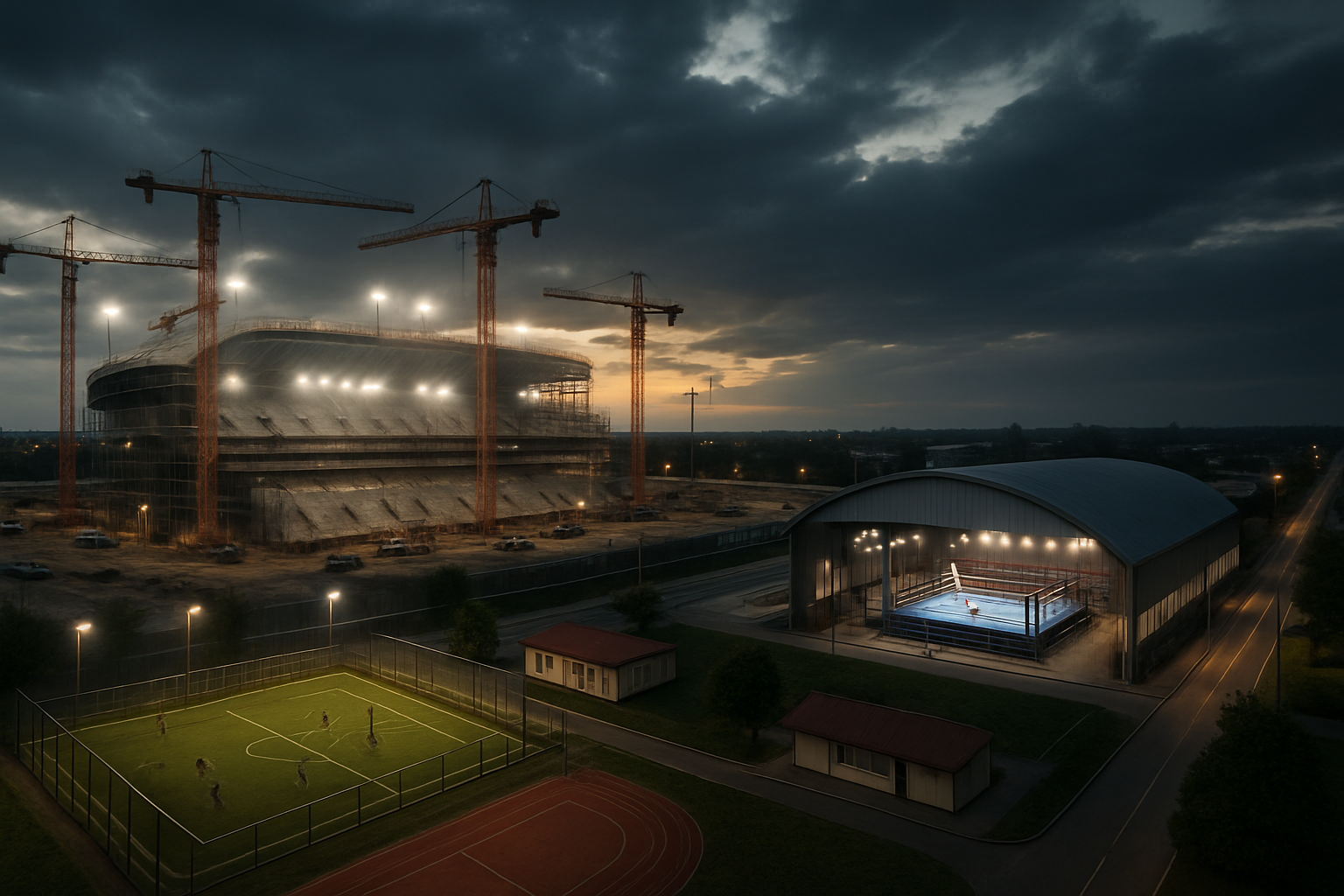
A surge in sports venue development across multiple European nations is reshaping the landscape of professional and community athletics, from historic boxing debuts to major football infrastructure projects and cultural facility celebrations.
Three distinct yet interconnected stories from Austria, Denmark, and Ireland reveal how different approaches to sports infrastructure investment are creating opportunities for athletic excellence, community engagement, and economic development.
Ireland's Boxing Renaissance: Professional Combat Sports Reaches New Venues
In the most dramatic development, Donegal is preparing for a historic moment as professional boxing makes its debut at the Finn Valley Centre in Ballybofey-Stranorlar. The venue, known primarily for amateur athletics, will host "Fight Night at the Valley" – a milestone event that could redefine how professional combat sports integrates with community facilities.
Jason Quigley, the former world title contender from Ballybofey who is organizing the event through Sheer Sports, emphasized the transformative nature of the initiative. "This is about breaking a mould," Quigley explained. "People just don't put pro boxing and the Finn Valley Centre together because it has never happened. This is something now I want to do more of. It's not just getting in and ticking it off the list; I want to grow this into something."
The event will accommodate 600 spectators in what organizers describe as a "raucous" atmosphere, featuring several unbeaten Irish prospects on the card. This represents more than just a single event – it's a strategic approach to democratizing professional boxing by bringing world-class competition to venues where future champions first honed their skills.
Denmark's Football Infrastructure Evolution
Meanwhile, Denmark is experiencing its own sports venue revolution as the national women's football team gains access to the country's premier stadium. The Danish Football Union's decision to allow the women's national team to play at Parken – Denmark's national stadium in Copenhagen – has drawn enthusiastic support from the players' association.
This development reflects a broader European trend toward gender equality in sports facility access. The Spillerforeningen (Players' Association) publicly celebrated the decision, recognizing it as crucial for the Danish women's team's ambitions on the international stage. The move signals Denmark's commitment to providing equal infrastructure opportunities regardless of gender, setting a precedent that could influence other nations' approaches to stadium allocation.
The decision comes as women's football continues to grow in popularity and commercial viability across Europe, making access to premium venues both a symbolic and practical necessity for the sport's continued development.
Austria's Cultural Sports Legacy: 50 Years of Community Infrastructure
Austria provides a different perspective on sports infrastructure with the celebration of the Stadtsaal Mank's 50th anniversary. This municipal hall, built half a century ago, played a crucial role in the town's elevation to city status and continues to serve as a versatile venue for music, cabaret, and theatrical performances alongside sporting events.
The facility's golden anniversary celebration, featuring multiple cultural highlights, demonstrates how multi-purpose venues can serve communities across generations. This model of infrastructure development – where sports facilities are integrated with cultural spaces – offers valuable lessons for sustainable venue planning in smaller communities.
The longevity and continued relevance of the Stadtsaal Mank illustrates how thoughtful initial investment in community infrastructure can yield decades of public benefit, supporting not just athletic activities but the broader cultural life of a municipality.
Broader Context: European Sports Infrastructure Trends
These developments occur against the backdrop of significant sports infrastructure investment across Europe. The Milano-Cortina 2026 Winter Olympics demonstrated both the challenges and opportunities of modern sports venue development, with its revolutionary dual-city hosting model spanning over 400 kilometers. That event showcased how traditional approaches to sports infrastructure are evolving to address sustainability concerns, geographical constraints, and changing spectator expectations.
Similarly, Barcelona's ambitious bid to host the 2029 UEFA Champions League final at the renovated Camp Nou represents the scale of investment major clubs and cities are making in sports infrastructure. The project aims to create a 105,000-capacity venue that would be Europe's largest, demonstrating how established facilities continue to evolve to meet modern demands.
Economic and Social Impact
The economic implications of these infrastructure developments extend far beyond the initial construction costs. Professional boxing events like the one planned for the Finn Valley Centre can generate significant tourism revenue for smaller communities, while providing opportunities for local businesses and creating pathways for young athletes.
Denmark's decision to provide the women's national team with access to Parken reflects not just sporting equality but recognition of the commercial potential of women's football. Quality venues help attract larger crowds, television coverage, and sponsorship opportunities – creating a virtuous cycle of investment and growth.
Austria's celebration of the Stadtsaal Mank's anniversary highlights the long-term community benefits of multi-purpose facilities. Over five decades, the venue has likely generated millions in economic activity while serving as a focal point for civic pride and community gathering.
Innovation in Venue Utilization
These three cases illustrate different approaches to maximizing sports infrastructure value. Ireland's model demonstrates how existing amateur facilities can be adapted for professional use, potentially reducing the need for expensive purpose-built venues. This approach could be particularly valuable for combat sports, which require relatively minimal infrastructure compared to team sports.
Denmark's stadium-sharing approach shows how national governing bodies can optimize existing premium facilities rather than building separate venues for different teams. This model could influence other countries struggling with the costs of maintaining multiple high-standard facilities.
Austria's long-term multi-use model provides a template for sustainable community infrastructure that serves multiple purposes over extended periods, maximizing return on public investment.
Challenges and Future Considerations
Despite these positive developments, European sports infrastructure faces several challenges. The Milano-Cortina Olympics revealed ongoing issues with project completion timelines, cost overruns, and the complexity of coordinating multiple venues across large geographical areas.
Climate change is also influencing infrastructure planning, with extreme weather events affecting both construction schedules and long-term facility sustainability. The harsh winter conditions during the Milano-Cortina Olympics, while providing ideal natural snow, also demonstrated the need for resilient infrastructure capable of functioning under challenging environmental conditions.
Additionally, the increasing costs of modern sports facility construction require innovative financing models and greater emphasis on multi-use designs that can generate revenue year-round rather than during specific sporting seasons.
Looking Forward: The Future of Sports Infrastructure
The developments in Austria, Denmark, and Ireland suggest several trends that could shape the future of European sports infrastructure. There's growing recognition that flexibility and adaptability are crucial – venues must be capable of hosting multiple types of events to remain financially viable.
Gender equality in facility access is becoming a non-negotiable requirement, with organizations recognizing both the moral imperative and commercial benefits of providing equal opportunities for male and female athletes.
Community integration remains essential, particularly for publicly funded facilities. The most successful projects are those that serve multiple community needs beyond just elite sporting competitions.
Technology integration is increasingly important, with modern venues requiring sophisticated broadcast capabilities, digital ticketing systems, and enhanced spectator experiences to compete for events and audiences in a globalized sports marketplace.
As European sports infrastructure continues to evolve, the examples from Austria, Denmark, and Ireland provide valuable models for different approaches to venue development, utilization, and long-term sustainability. Whether through historic boxing debuts, expanded access for women's football, or celebration of multi-decade community facilities, these developments demonstrate that successful sports infrastructure investment requires vision, flexibility, and commitment to serving both athletic excellence and community needs.