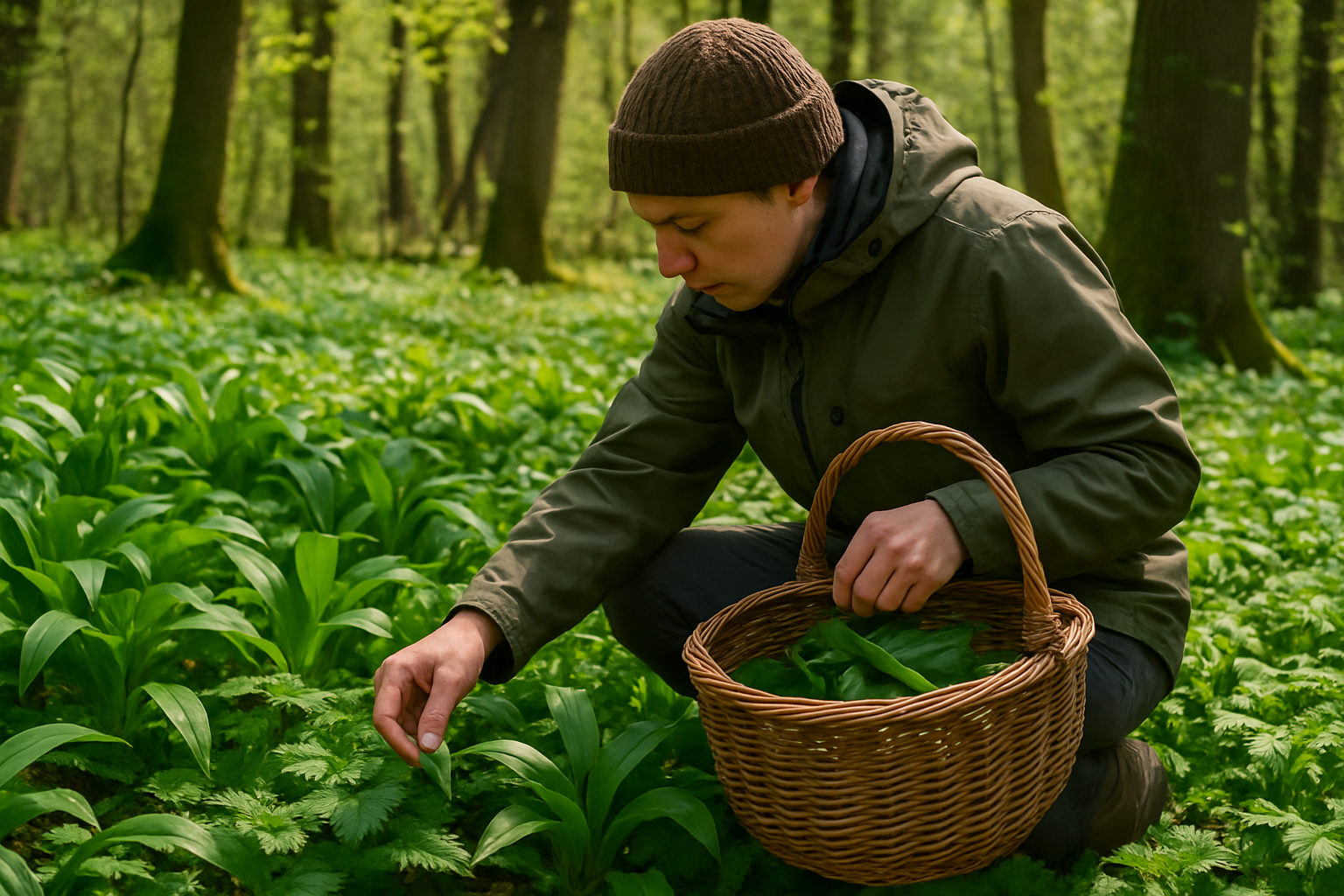
As Germany's forests burst into spring life, a growing movement of culinary enthusiasts is rediscovering the ancient practice of foraging for wild herbs, with wild garlic and nettles leading a renaissance in traditional food gathering that connects modern Germans with their natural heritage.
The practice of foraging edible plants represents far more than a culinary trend – it embodies a return to sustainable food practices and a deeper connection with Germany's natural environment. Spring foraging in Germany offers abundant opportunities for those seeking to explore traditional flavors while embracing environmentally conscious food sourcing.
Wild Garlic: The Forest's Green Gold
Wild garlic (Allium ursinum), known locally as "Bärlauch," emerges as one of spring's most sought-after foraged herbs. Found throughout Germany's deciduous forests, particularly in beech and oak woodlands, wild garlic typically appears from March through May, creating carpets of distinctive broad, lance-shaped leaves that emit a characteristic garlic aroma when crushed.
Identification requires careful attention to detail. Wild garlic leaves grow individually from the ground, unlike the similar-looking lily of the valley or autumn crocus, both of which are toxic. The unmistakable garlic scent when leaves are rubbed between fingers provides the most reliable identification method. Experienced foragers recommend the "smell test" as essential for safe harvesting.
"The beauty of wild garlic lies in its versatility and intense flavor profile that surpasses cultivated varieties. When harvested sustainably, it represents the perfect marriage of culinary excellence and environmental responsibility."
— Dr. Martina Weber, Botanical Expert at University of Göttingen
Nettles: The Underappreciated Superfood
Stinging nettles (Urtica dioica) deserve recognition as one of spring's most nutritious wild edibles. Despite their defensive sting, nettles provide exceptional nutritional value, containing high levels of iron, calcium, potassium, and vitamins A and C. The young shoots and top four leaves offer the best culinary experience when harvested in early spring.
Proper harvesting technique involves wearing gloves and using scissors to cut the top portion of the plant, leaving the root system intact for regeneration. Once cooked, blanched, or dried, nettles lose their sting entirely, transforming into a spinach-like ingredient with a rich, earthy flavor that enhances soups, teas, and traditional German dishes.
Legal Framework and Sustainable Practices
Germany's foraging regulations vary by region, but general principles apply nationwide. The "Handstrauß-Regel" (handful rule) allows individuals to collect small quantities of wild plants for personal use without special permits. However, protected areas, private property, and nature reserves require specific permissions or prohibit foraging entirely.
Sustainable foraging practices ensure the continued availability of wild herbs for future generations. Key principles include harvesting no more than one-third of any plant population, avoiding rare or endangered species, and rotating collection areas to prevent overexploitation. Experienced foragers emphasize the importance of leaving root systems undamaged to allow regeneration.
Culinary Applications and Traditional Recipes
German culinary tradition incorporates foraged herbs in numerous ways. Wild garlic transforms into excellent pestos, compound butters, and seasonal soups. Traditional "Bärlauchsuppe" (wild garlic soup) represents a classic spring preparation that showcases the herb's distinctive flavor while providing warming nutrition during transitional weather.
Nettle applications range from traditional teas that support detoxification to modern culinary innovations. "Brennnesselsuppe" (nettle soup) offers a time-honored method for incorporating these nutrient-dense plants into spring meals. Creative contemporary uses include nettle gnocchi, seasonal risottos, and health-focused smoothies that maximize nutritional benefits.
Health Benefits and Nutritional Value
Both wild garlic and nettles provide significant health advantages beyond their culinary appeal. Wild garlic contains allicin, the same compound that gives cultivated garlic its antimicrobial properties, while offering higher concentrations of certain vitamins compared to store-bought alternatives.
Nettles function as natural detoxifiers, supporting liver function and providing essential minerals often lacking in modern diets. Traditional German herbal medicine has long recognized nettle's benefits for joint health, seasonal allergies, and overall vitality during spring months.
Connection to Germany's Environmental Movement
The spring foraging renaissance aligns with Germany's broader environmental consciousness and sustainable living movements. As consumers increasingly seek alternatives to industrial agriculture, foraging represents a practical way to reduce carbon footprints while accessing highly nutritious, locally-available foods.
This connection to traditional food systems also supports biodiversity by encouraging appreciation for native plant species and their ecological roles. Foragers often become advocates for forest conservation and sustainable land management practices.
Safety Considerations and Expert Guidance
Successful foraging requires proper education and caution. Botanical identification skills develop through experience, guided tours, and reliable reference materials. Many German cities offer foraging workshops led by qualified botanists who teach safe identification techniques and sustainable harvesting methods.
Potential risks include misidentification of toxic plants, contamination from polluted areas, and legal issues from unauthorized collection. Beginning foragers should always accompany experienced practitioners or participate in organized educational programs before venturing independently.
Economic and Cultural Impact
The growing interest in spring foraging supports local economies through increased demand for educational workshops, guided tours, and specialized equipment. Rural communities benefit from eco-tourism opportunities that showcase traditional knowledge and natural heritage.
This trend also preserves cultural knowledge that might otherwise disappear. Older generations who learned foraging from their families find renewed relevance for their skills, creating intergenerational knowledge transfer opportunities that strengthen community bonds.
Seasonal Timing and Regional Variations
Optimal foraging periods vary across Germany's diverse climatic zones. Southern regions typically experience earlier spring emergence, while northern areas may see delayed growth. Elevation also affects timing, with mountainous regions often lagging behind lowland areas by several weeks.
Wild garlic season generally spans March through May, with peak harvest occurring in April when leaves reach optimal size and flavor intensity. Nettle collection begins in early March and continues through late spring, though young shoots provide the best culinary experience.
Future Prospects and Sustainability
As Germany continues embracing sustainable food systems and environmental awareness, spring foraging appears positioned for continued growth. Educational institutions, environmental organizations, and culinary schools increasingly recognize foraging's value for connecting people with natural food systems and traditional knowledge.
Long-term sustainability depends on maintaining balance between growing interest and environmental protection. Successful integration requires continued education, respect for natural systems, and commitment to regenerative practices that ensure wild herb populations remain viable for future generations.
The spring foraging renaissance in Germany represents more than a culinary trend – it embodies a fundamental reconnection with the natural world that offers both practical benefits and deeper environmental awareness. As more Germans discover the satisfaction of gathering wild garlic and nettles from their local forests, they participate in an ancient practice that remains remarkably relevant for contemporary sustainable living.