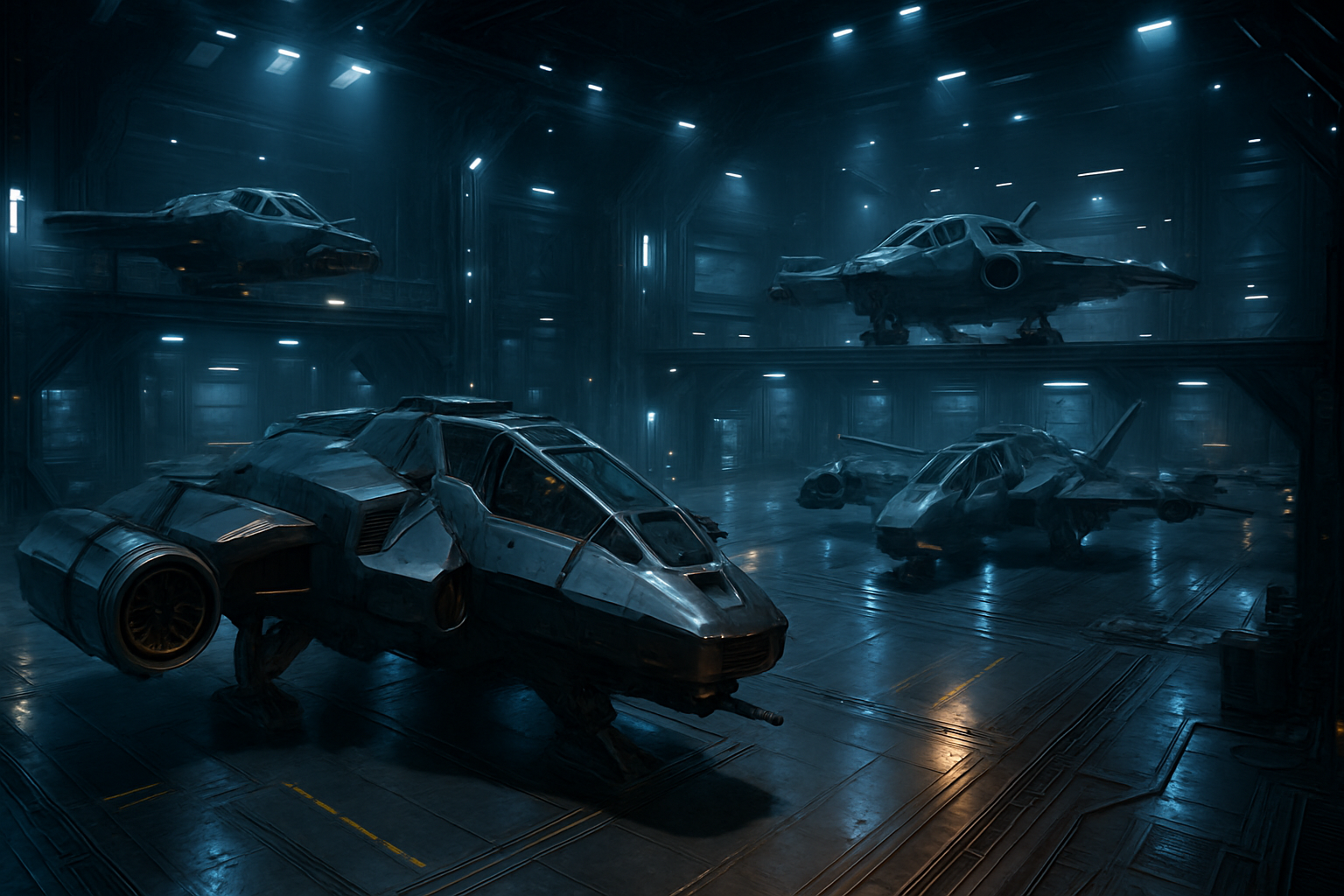
After 14 years of development and unprecedented crowdfunding success totaling $1.3 billion, Star Citizen is approaching a significant milestone that could mark a turning point for one of gaming's most ambitious projects.
In an exclusive interview with 9news.com.au, project creator Chris Roberts opened up about the massive undertaking that has captivated and frustrated the gaming community in equal measure. The space simulation game, which began as a crowdfunded passion project in 2012, has evolved into the most funded video game development project in history.
A Hollywood-Caliber Gaming Experience
The upcoming single-player campaign, Squadron 42, represents the culmination of Roberts' vision for cinematic gaming. The title boasts an impressive cast including Mark Hamill, known for his iconic role as Luke Skywalker, Gillian Anderson of X-Files fame, and Henry Cavill, who brought Superman to life on the big screen.
"Squadron 42 is closer to release than ever," Roberts confirmed, though he remained characteristically cautious about providing specific timelines. The single-player experience serves as both a standalone game and an introduction to the larger Star Citizen universe.
"We've always been about pushing boundaries and creating something that's never been done before. The support from our community has allowed us to dream bigger than we ever thought possible."
— Chris Roberts, Star Citizen Creator
Community-Driven Development
The project's unprecedented funding model has relied entirely on community contributions, with backers purchasing everything from basic game packages to elaborate virtual spacecraft worth hundreds or even thousands of dollars. This approach has created an intensely engaged fanbase that has sustained development through numerous delays and setbacks.
Roberts emphasized the unique relationship between the development team and the community: "Our backers aren't just customers; they're partners in this journey. Their feedback and continued support have shaped every aspect of what we're building."
Technical Ambitions and Challenges
Star Citizen's scope has expanded dramatically since its initial conception. The game aims to deliver seamless transitions from first-person exploration to spaceship combat, from planetary surfaces to vast space environments, all within a persistent online universe.
The technical challenges have been immense. The development team has had to create new technologies and push existing engines to their limits. These innovations include advanced server meshing technology to support thousands of players in shared environments, and detailed physics systems that govern everything from zero-gravity movement to complex spacecraft systems.
The Squadron 42 Campaign
While the persistent universe of Star Citizen continues development, Squadron 42 offers a more traditional narrative experience. The single-player campaign follows a military storyline that serves as an entry point into the broader Star Citizen lore.
The involvement of renowned actors represents Roberts' commitment to cinematic storytelling. Performance capture technology has been used extensively to bring these characters to life, creating what the development team describes as a "playable movie" experience.
Industry Impact and Criticism
Star Citizen's development has not been without controversy. Critics have pointed to repeated delays, scope creep, and the lengthy development timeline as evidence of mismanagement. The game's funding model has also faced scrutiny, with some questioning the ethics of selling virtual items for substantial sums before the game's completion.
However, supporters argue that the project represents a new paradigm for game development, free from publisher constraints and able to pursue an ambitious vision without compromise. The continued financial support from the community suggests that many backers remain confident in the project's eventual success.
Technical Innovations
Beyond its scale, Star Citizen has pioneered several technical innovations that have influenced the broader gaming industry. The project's work on unified animation systems, advanced lighting techniques, and large-scale multiplayer architecture has contributed to the evolution of game development practices.
The team's development of the StarEngine, a heavily modified version of Amazon's Lumberyard, has pushed the boundaries of what's possible in real-time rendering and physics simulation. These innovations extend beyond gaming, with potential applications in simulation, training, and virtual production.
Looking Ahead
As Star Citizen approaches its next major milestone, the gaming industry watches with keen interest. The project's success or failure will likely influence how future ambitious gaming projects are funded and developed.
Roberts remains optimistic about the project's trajectory: "We're not just building a game; we're creating a platform for experiences that don't exist anywhere else. The journey has been long, but we're finally seeing all the pieces come together."
The upcoming release of Squadron 42 will serve as a crucial test for the project's viability. Success could validate the extended development approach and community funding model, while disappointment could cast doubt on the entire enterprise.
The Future of Game Development
Star Citizen's development approach has already influenced other projects in the gaming industry. The success of community-funded development has inspired other developers to explore alternative funding models, reducing dependence on traditional publishers.
Whether Star Citizen ultimately succeeds in delivering on its ambitious promises, its impact on gaming development practices and community engagement is already undeniable. The project has demonstrated both the potential and the perils of unrestricted creative ambition in the digital age.
As the gaming community awaits the next phase of Star Citizen's journey, one thing remains clear: the project has already changed the landscape of game development forever, proving that with sufficient community support and unwavering vision, even the most ambitious dreams can edge closer to reality.