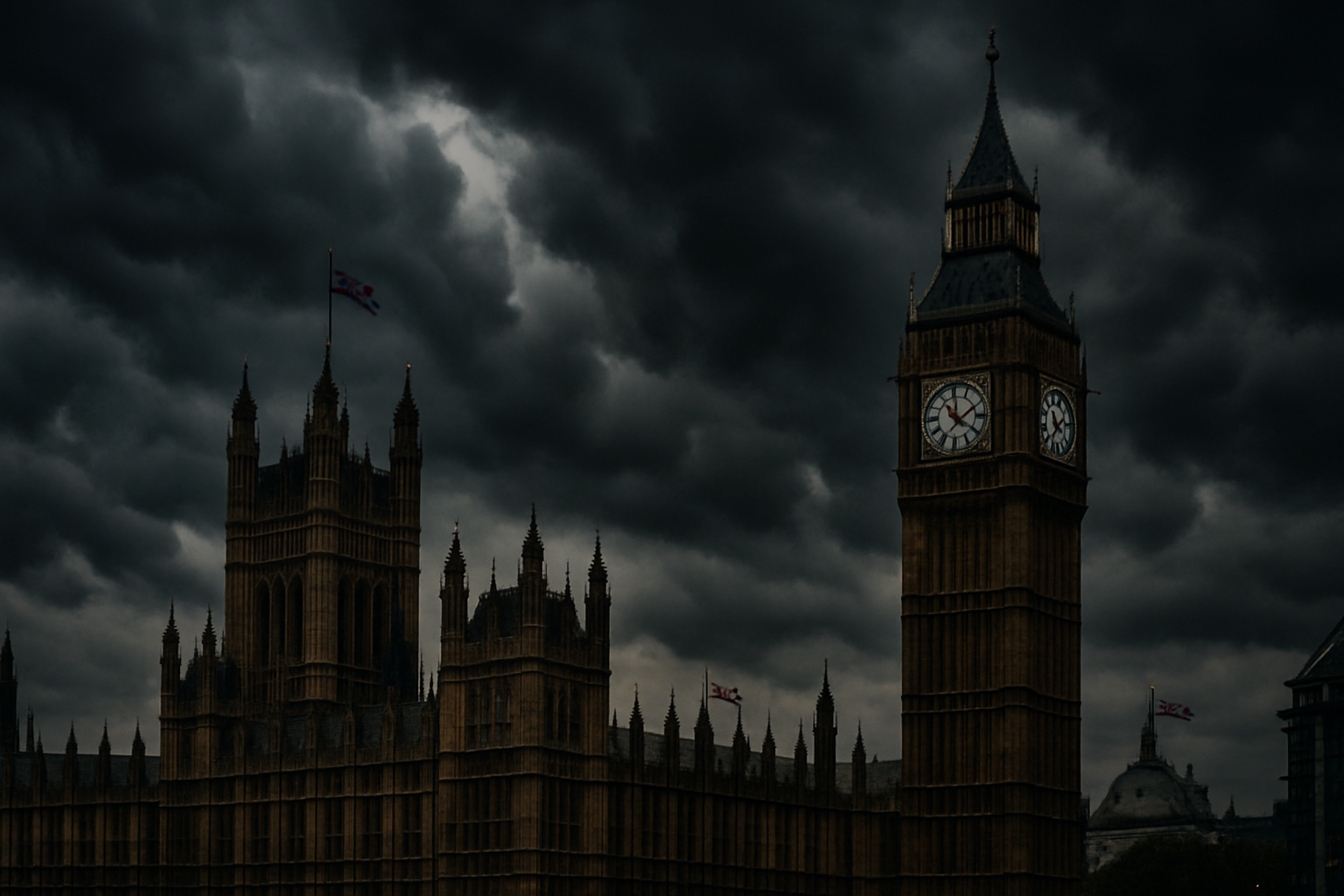
British Prime Minister Keir Starmer faces the most serious political crisis of his tenure as he prepares to address Parliament on Monday following explosive revelations that Peter Mandelson was appointed US Ambassador despite failing security checks, with angry MPs across party lines now calling for his resignation.
The embattled Labour leader will confront lawmakers amid mounting pressure over what critics are calling an unprecedented breakdown in government oversight, after it emerged that Mandelson became Britain's ambassador to the United States in late 2024 despite failing required security vetting processes.
Security Vetting Override Scandal
The crisis deepened significantly when it was revealed that Sir Olly Robbins, the Foreign Office's most senior civil servant, had been forced out on Thursday over his role in overriding UK Security Vetting recommendations without ministerial knowledge. The decision to grant Mandelson developed vetting clearance was made in January 2025 against official warnings about "reputational risk" due to his documented connections to convicted sex offender Jeffrey Epstein.
According to multiple sources familiar with the matter, Starmer was kept "in the dark" about the security clearance override, leading to what Deputy Prime Minister David Lammy described as an "inexplicable" failure of communication between the Foreign Office and Downing Street.
"It is inexplicable that Sir Oliver Robbins kept Downing Street in the dark about this crucial security decision,"
— David Lammy, Deputy Prime Minister
Constitutional experts suggest that overriding security vetting recommendations without ministerial knowledge potentially breaches fundamental conventions governing the relationship between civil servants and elected officials.
Government in Crisis
The Mandelson appointment represents the fourth major government departure connected to the ongoing scandal. Sir Olly Robbins joins a growing list of senior casualties that includes Morgan McSweeney, Starmer's former chief of staff who resigned taking "full responsibility" for the Mandelson appointment, Cabinet Secretary Chris Wormald who was forced out "by mutual consent," and Matthew Doyle, who was suspended from the Labour whip.
The cascade of departures has created what sources describe as a "toxic atmosphere" within the parliamentary Labour Party, with Scottish Labour leader Anas Sarwar's unprecedented public call for Starmer's resignation representing a serious breach of party unity.
Cabinet ministers are privately questioning the Prime Minister's prospects for survival, with speculation mounting about potential successors including Deputy PM Angela Rayner and Health Secretary Wes Streeting, despite their public expressions of support.
Epstein Connection Compound Crisis
The security vetting failure is compounded by the ongoing Metropolitan Police investigation into Mandelson's alleged misconduct in public office. Police searches at his Camden and Wiltshire properties are examining claims that he leaked confidential government information to Jeffrey Epstein during the 2008 financial crisis while serving as Business Secretary under Gordon Brown.
Former Prime Minister Gordon Brown has characterized Mandelson's alleged actions as "economic crime" and "betrayal," demanding he return his £75,000 severance payment and testify before the US Congress. The extraordinary rebuke from within Labour ranks during what was a critical economic period has intensified pressure on Starmer's handling of the appointment.
Starmer has admitted to being "lied to" by Mandelson about the extent of his Epstein relationship before approving the ambassador nomination, an admission that critics argue fatally undermines his authority and administrative competence.
Electoral Consequences
The crisis has already contributed to Labour's catastrophic defeat in the Gorton and Denton by-election in February, where the party finished third behind the Green Party winner and Reform UK—a humiliating result in a constituency Labour had held for nearly a century. The defeat, coming after Starmer personally blocked popular Manchester Mayor Andy Burnham from standing, demonstrated the electoral impact of the ongoing scandal.
With crucial local elections approaching in May, Labour faces the prospect of significant losses that could trigger a formal leadership challenge. The timing before these elections could prove fatal to Starmer's leadership if the pattern of defeats continues.
Parliamentary Response and Reform Demands
The Parliamentary Intelligence and Security Committee has demanded "maximum transparency," threatening to publish documents "even if embarrassing to No 10." Opposition parties are calling for urgent reforms to diplomatic appointment procedures, including mandatory parliamentary approval for ambassadorial posts and independent oversight of security decisions.
These proposed reforms would represent the most significant changes to diplomatic procedures since the creation of the modern Foreign Office, establishing new precedents for 21st-century democratic governance and the balance between political accountability and administrative independence.
International Embarrassment
The scandal has severely damaged UK-US relations at a critical time, with what was intended to strengthen the post-Brexit "special relationship" instead becoming a source of transatlantic humiliation. Allied nations are reportedly expressing private concerns about the effectiveness of UK institutional oversight, particularly during the current Iran crisis period that requires close allied coordination.
German media reports suggest Starmer has "no credit left" with the British public, while the international dimension of the Epstein investigation—described by European law enforcement as the "largest international elite criminal network exposure in recent memory"—continues to generate headlines across six countries.
Constitutional Implications
The crisis raises fundamental questions about the fitness of British constitutional arrangements for modern security challenges. The override of security recommendations without ministerial knowledge sets a dangerous precedent for the balance between political accountability and administrative independence.
Legal experts are examining whether Sir Olly Robbins' actions constituted a breach of the Constitutional Reform and Governance Act 2010, which governs the appointment process for senior diplomatic positions. Downing Street's unusual step of releasing internal briefing papers suggests an attempt to demonstrate that proper procedures could have informed Starmer of the security concerns.
Survival Prospects
Starmer's political future now hangs on his ability to convince both his parliamentary party and the British public that he can provide effective leadership during this unprecedented crisis. The Prime Minister's admission of being "absolutely furious" about the security override has been criticized as an insufficient response given the scale of the oversight failure.
Critics across party lines argue that the "buck stops" with the Prime Minister, regardless of his claims of ignorance about the security decision. The Liberal Democrats and Conservatives are positioning this as a fundamental test of ministerial responsibility principles that have underpinned British democracy for centuries.
With his most trusted advisers already departed and his authority severely compromised, Starmer faces the coming days as potentially decisive in determining whether he can maintain power or becomes the latest casualty in what represents the most serious Westminster crisis in decades.
Looking Forward
The resolution of this crisis will establish crucial precedents for how democratic institutions handle elite accountability challenges in an era of complex international security threats. As investigations continue and additional revelations threaten to emerge, the ultimate test will be whether British institutions can deliver meaningful accountability while maintaining the constitutional conventions that underpin democratic governance.
The Metropolitan Police investigation continues, with potential additional revelations expected. Sir Olly Robbins is scheduled to appear before the Foreign Affairs Committee for questioning on Tuesday, while the May local elections loom as a crucial test of public confidence in Starmer's leadership.
For Starmer, the challenge is no longer just political survival, but demonstrating that British democracy can hold its leaders accountable while maintaining effective governance during one of the most complex security environments in recent memory.