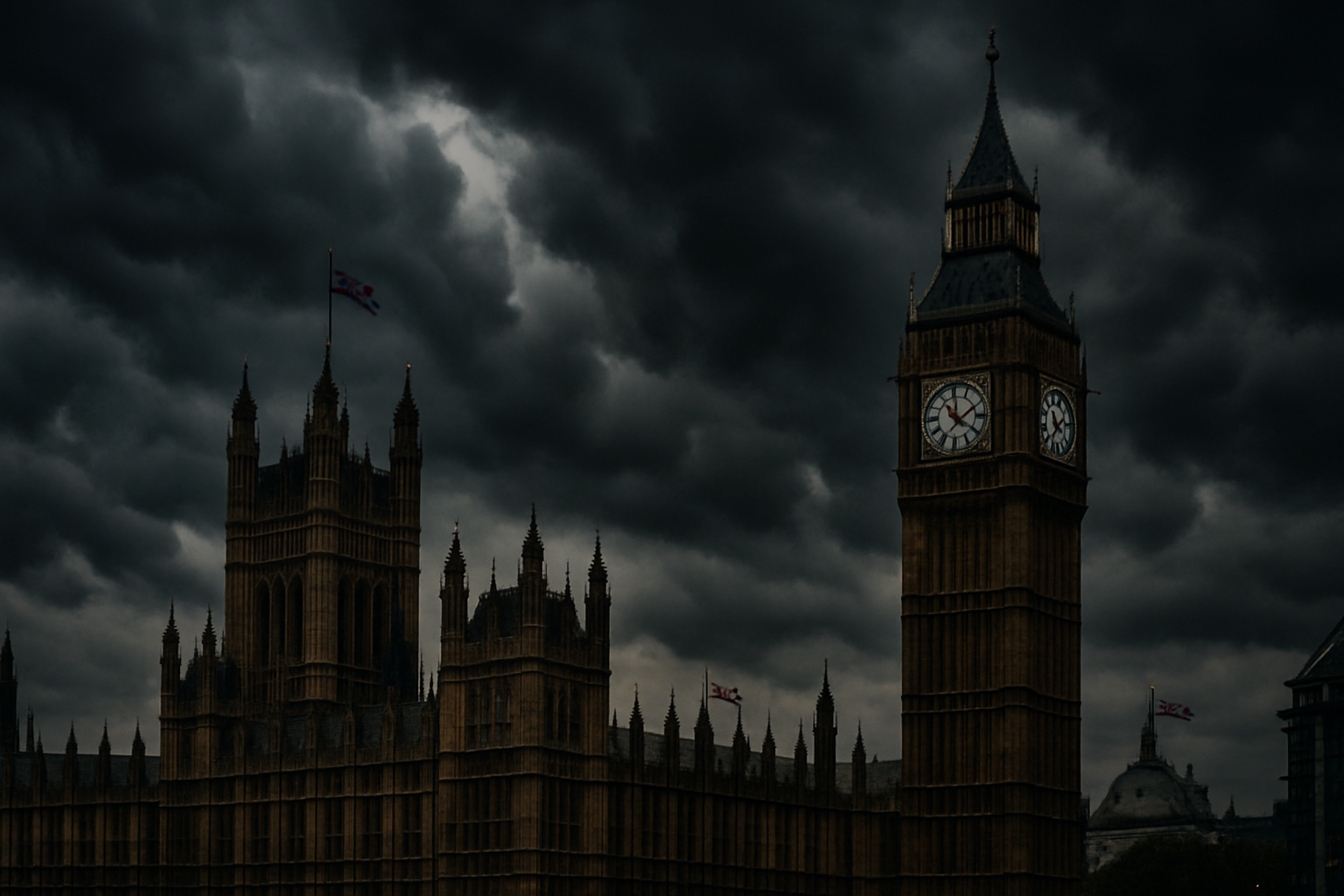
British Prime Minister Keir Starmer faces the gravest crisis of his premiership as opposition leaders and his own party members demand his resignation over the appointment of Peter Mandelson as US Ambassador despite failed security vetting.
The Guardian revealed on Thursday that Mandelson failed the developed vetting process over his appointment as US ambassador but was able to take up the post after the Foreign Office overruled the recommendation. Most damaging for Starmer, senior officials deliberately withheld this information from ministerial oversight.
Security Vetting Override Without Ministerial Knowledge
According to exclusive reporting, Keir Starmer was "left in the dark about sensitive information relating to Peter Mandelson's security vetting by two other top civil servants, including the head of the civil service." The Prime Minister declared it "unforgivable" and "staggering" that senior officials did not inform him about Mandelson's failed vetting weeks before he assumed the Washington ambassadorship.
The revelation represents a catastrophic breakdown in government oversight procedures, with officials spending weeks debating whether to release the "highly sensitive information" while keeping the Prime Minister uninformed about a critical national security decision.
"It is unforgivable and staggering that senior officials did not tell me that Mandelson failed a security vetting process weeks before he took up his role as ambassador to Washington."
— Keir Starmer, Prime Minister
Sir Olly Robbins, the Foreign Office's top civil servant, was forced out over the vetting row after making the override decision in January 2025 without ministerial knowledge, representing the fourth major departure connected to this escalating scandal.
The Jeffrey Epstein Connection
The security concerns centered on Mandelson's well-documented connections to convicted sex offender Jeffrey Epstein. The 72-year-old Labour grandee had been a close friend to Epstein, with their relationship creating what sources described as "reputational risk" that should have disqualified him from such a sensitive diplomatic posting.
This latest crisis compounds an already devastating series of revelations stemming from the global Jeffrey Epstein document releases that began in February 2026. The scandal has previously resulted in multiple senior government departures, including Chief of Staff Morgan McSweeney and Cabinet Secretary Chris Wormald.
Metropolitan Police searches of Mandelson's properties in February 2026 investigated allegations of misconduct in public office, specifically claims that he leaked government documents to Epstein during the 2008 financial crisis while serving as Business Secretary.
Constitutional Crisis and Parliamentary Response
The Parliamentary Intelligence and Security Committee has demanded "maximum transparency," threatening to publish documents "even if embarrassing to No 10." Opposition parties are calling for urgent reform of diplomatic appointment procedures, focusing on ministerial accountability and oversight mechanisms.
Constitutional experts suggest the override without ministerial knowledge may breach conventions governing the relationship between civil servants and elected officials. The crisis has exposed fundamental weaknesses in the UK's vetting procedures for sensitive diplomatic appointments.
Former Prime Minister Gordon Brown previously characterized Mandelson's actions as "economic crime" and "betrayal," demanding he return his £75,000 severance payment and testify before the US Congress about his relationship with Epstein.
Electoral Consequences and Political Survival
The crisis has contributed to Labour's catastrophic electoral performance, most notably the historic defeat in the Gorton/Denton by-election where the party finished third behind the Green Party and Reform UK in a seat they had held for nearly a century.
Scottish Labour leader Anas Sarwar's unprecedented public call for Starmer's resignation represents an extraordinary breach of party unity, creating what sources describe as a "toxic atmosphere" within the parliamentary party. The timing before crucial local elections in May could prove fatal to Starmer's leadership if the pattern of electoral defeat continues.
Party sources suggest that further electoral defeats could trigger a formal leadership challenge, with Health Secretary Wes Streeting and former Deputy Prime Minister Angela Rayner mentioned as potential successors despite their public backing of Starmer.
International Implications
The appointment was meant to strengthen US-UK ties during a critical period in transatlantic relations. Instead, it has become a source of diplomatic embarrassment, particularly as it coincided with broader tensions over Iran policy and other international crises.
The vetting failure has damaged the UK's international reputation and raised serious questions about the effectiveness of British security oversight among allied nations. International partners have reportedly expressed private concerns about UK institutional oversight capabilities.
Reform Demands and Future Implications
The crisis has prompted calls for fundamental reform of the diplomatic appointment system, including proposals for mandatory parliamentary approval of ambassadorial appointments, independent oversight of security decisions, and enhanced whistleblower protection for those witnessing override decisions.
These reforms would represent the most significant changes to diplomatic procedures since the modern Foreign Office's creation and could establish crucial precedents for 21st-century democratic governance regarding the balance between political accountability and administrative independence.
The resolution of this crisis will determine not only Starmer's political survival but also establish important precedents for how democratic institutions handle accountability challenges in an era of sophisticated international criminal networks and complex security threats.
What Happens Next
The coming weeks will be decisive in determining whether Starmer can maintain power or become the latest casualty in what has been described as an unprecedented Westminster crisis. The ongoing Metropolitan Police investigation is likely to produce additional revelations, while the May local elections will provide a crucial test of public confidence in his leadership.
With calls for a vote of no confidence gaining momentum and the Intelligence Committee promising to publish embarrassing documents, Starmer faces the most challenging period of his political career. His ability to restore trust amid continuing investigations and electoral pressure will determine not only his own fate but the future direction of British politics.