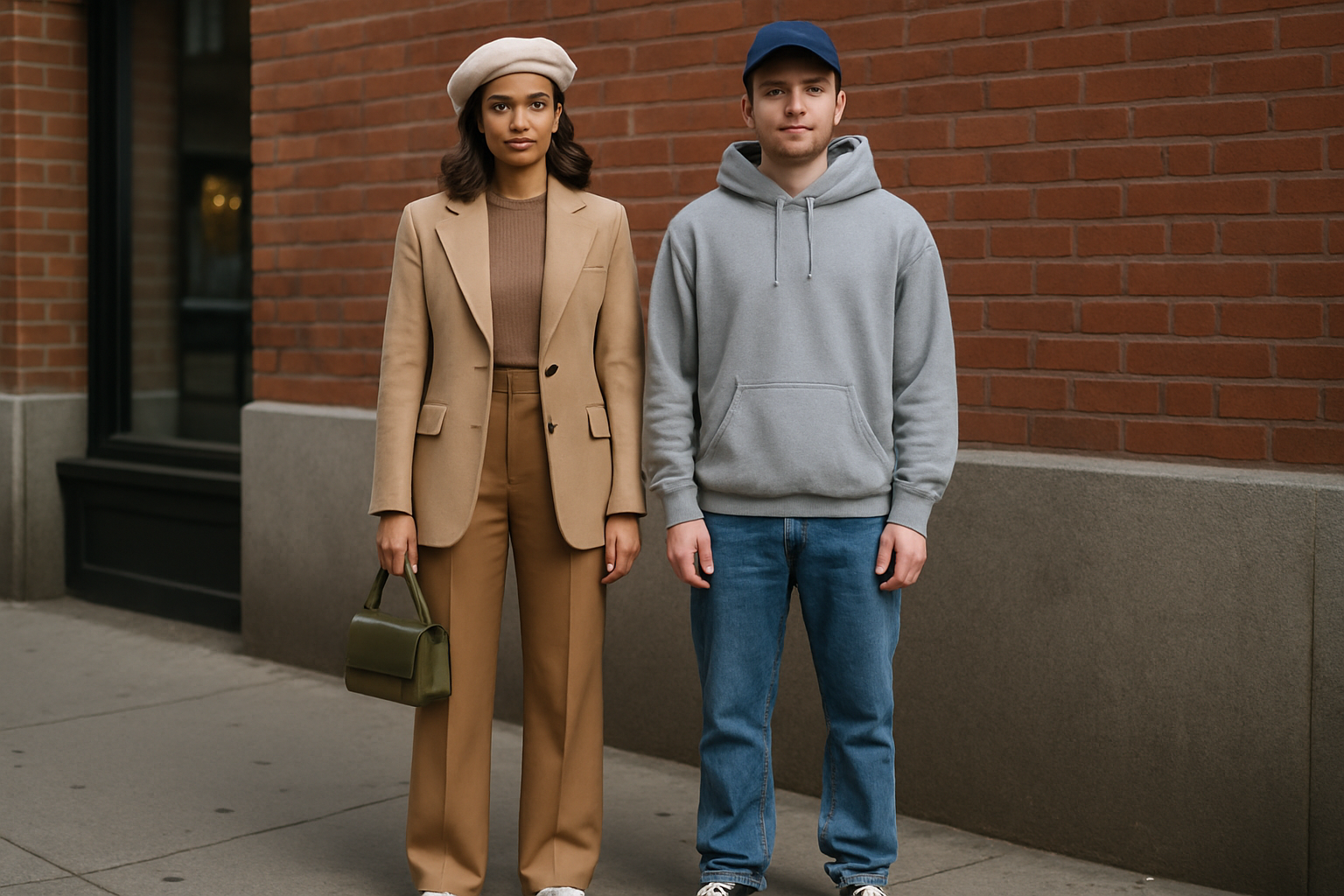
He lives in hoodies while she's passionate about fashion – can differing degrees of 'coolness' really strain a couple's relationship? Austrian research delves into the emerging phenomenon of the 'swag gap' and its impact on modern romantic partnerships.
The concept of the "swag gap" – significant disparities in fashion sense, style consciousness, and overall aesthetic presentation between romantic partners – has emerged as a notable factor in contemporary relationship dynamics. This fashion-focused relationship challenge reflects broader cultural shifts in how personal presentation influences social perception and romantic compatibility.
Understanding the Swag Gap Phenomenon
Austrian relationship researchers have identified the swag gap as occurring when one partner demonstrates significantly higher investment in personal appearance, fashion consciousness, and style presentation than the other. This disparity extends beyond simple clothing preferences to encompass lifestyle choices, social media presence, and cultural engagement patterns.
The phenomenon manifests in various ways: one partner may meticulously coordinate outfits, follow fashion trends, and invest considerable time and resources in their appearance, while the other remains content with basic, functional clothing choices. This difference can create subtle tensions that ripple through multiple aspects of the relationship.
Research suggests that fashion disparities between partners can influence social dynamics, particularly in group settings where appearance-conscious individuals may feel their partner's casual presentation reflects poorly on them, or conversely, where style-focused partners may be perceived as high-maintenance or materialistic.
The Fashion Renaissance Connection
The swag gap phenomenon emerges within the broader context of what fashion analysts have termed the "February-March 2026 Fashion Renaissance." This global movement emphasizes sustainable fashion innovation, circular economy principles, and the democratization of style through second-hand markets and conscious consumption.
Germany's billion-euro second-hand fashion market, where two-thirds of consumers now purchase pre-owned items, demonstrates how fashion has become more accessible while simultaneously more diverse in its expressions. This accessibility paradoxically increases pressure for fashion engagement, as style choices become more visible and varied.
The Irish sustainable fashion movement, exemplified by initiatives like "Saol Arís" (Life Again), shows how circular fashion creates new possibilities for personal expression while maintaining environmental consciousness. These developments contribute to an environment where fashion literacy becomes increasingly valued as a form of cultural capital.
"Fashion has evolved from luxury consumption to cultural expression and environmental responsibility. Partners may find themselves navigating not just aesthetic preferences but values around sustainability and social consciousness."
— Fashion Industry Analyst
Social Media Amplification Effects
Digital platforms significantly amplify swag gap tensions by creating public forums for style comparison and judgment. Social media's visual nature means that couple's disparate fashion choices become immediately apparent to extended social networks, potentially creating pressure for style coordination or individual improvement.
The phenomenon intersects with broader digital wellness concerns, as partners may experience social media-driven anxiety about their appearance or their partner's presentation. Research shows 96% of young people aged 10-15 use social media, creating early exposure to appearance-based social comparison that carries into adult relationships.
Instagram, TikTok, and other image-focused platforms can exacerbate feelings of inadequacy or create unrealistic style expectations within relationships. Partners may feel pressure to match their significant other's aesthetic sophistication or conversely, may feel frustrated by their partner's apparent disinterest in visual presentation.
Economic and Cultural Implications
The swag gap phenomenon reflects deeper economic and cultural dynamics affecting modern relationships. Fashion consciousness often correlates with disposable income, creating potential class and economic tensions within partnerships where one person has greater resources or prioritizes different spending categories.
Cultural backgrounds also influence fashion engagement, with some communities emphasizing appearance as social currency while others prioritize functionality or modesty. These cultural differences can create misunderstandings when partners interpret fashion choices through different value systems.
The rise of "fast fashion" culture creates additional complexity, as partners may disagree about consumption patterns, environmental impact, and the relationship between fashion purchases and personal values. The growing emphasis on sustainable fashion adds ethical dimensions to what were previously considered purely aesthetic decisions.
Relationship Navigation Strategies
Relationship counselors suggest several approaches for managing swag gap tensions constructively. Communication emerges as the primary tool, with partners encouraged to discuss their fashion preferences, motivations, and any social pressures they experience related to appearance.
Compromise strategies might include designated occasions where both partners agree to dress up or dress casually, respecting each other's comfort zones while accommodating social expectations. Some couples find success in gradual style evolution, where fashion-conscious partners share knowledge and enthusiasm without demanding immediate transformation.
The key lies in recognizing that fashion choices often reflect deeper values about self-expression, social connection, and resource allocation. Understanding these underlying motivations can help partners appreciate their differences rather than viewing them as incompatibilities.
Gender Dynamics and Expectations
Traditional gender expectations significantly influence swag gap experiences, with societal pressures for women to maintain higher appearance standards potentially creating imbalanced dynamics. Men may face less social pressure for fashion consciousness, leading to scenarios where female partners feel disproportionate responsibility for the couple's overall aesthetic presentation.
However, evolving gender norms and increased male engagement with fashion and grooming are shifting these dynamics. Modern men increasingly participate in style-conscious behavior, creating more balanced fashion engagement within relationships or occasionally reversing traditional patterns.
The phenomenon also manifests differently across various relationship configurations, with same-sex couples potentially facing different pressures and expectations regarding style coordination and individual expression within their partnerships.
Professional and Social Consequences
Swag gap impacts extend beyond personal relationships into professional and social spheres. Partners may experience workplace or social anxiety about their significant other's appearance at professional events, social gatherings, or family occasions where appearance expectations vary significantly.
These concerns can create pressure for style conformity or generate resentment when one partner feels compelled to "manage" the other's appearance for social acceptability. Such dynamics can undermine relationship equality and create power imbalances based on aesthetic judgment.
Conversely, some couples successfully leverage complementary fashion approaches, with style-conscious partners helping develop their significant other's presentation skills while learning to appreciate different approaches to personal expression and authenticity.
Future Relationship Trends
As fashion continues evolving toward sustainability, inclusivity, and individual expression, swag gap dynamics may shift significantly. The growing emphasis on authentic personal style over trend-following could reduce appearance-based relationship pressures while simultaneously elevating fashion as a form of creative self-expression.
Technology integration in fashion – from virtual styling apps to personalized shopping algorithms – may democratize style development while potentially creating new forms of digital divide based on technological engagement rather than traditional fashion knowledge.
The circular fashion economy's growth suggests future relationship dynamics may increasingly involve shared values around consumption, environmental impact, and resource management rather than purely aesthetic considerations.
Building Fashion-Inclusive Relationships
Successfully managing swag gaps requires relationship approaches that honor individual authenticity while fostering mutual respect and understanding. This includes recognizing fashion as a valid form of self-expression deserving respect, regardless of whether both partners share similar engagement levels.
Education and exposure can play positive roles, with partners sharing fashion knowledge, sustainable consumption practices, and cultural perspectives on appearance and presentation. The goal becomes mutual enrichment rather than conformity or judgment.
Ultimately, swag gap management reflects broader relationship skills around accepting differences, communicating needs clearly, and finding compromise solutions that respect both partners' comfort zones and values. Fashion becomes a lens through which couples can develop stronger communication and appreciation for individual expression within shared partnership goals.