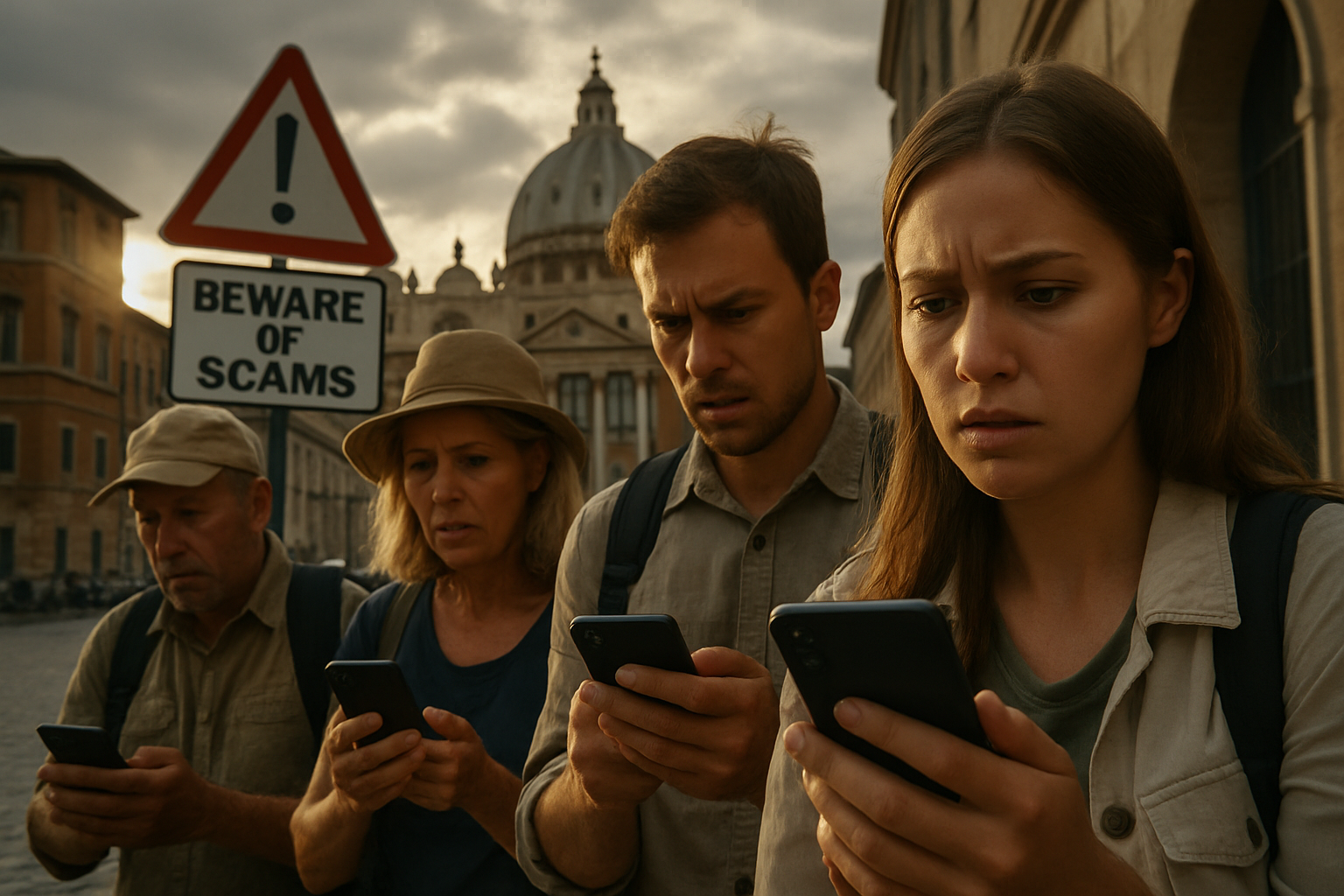
Spanish authorities have issued urgent warnings about a new wave of sophisticated fraud schemes specifically targeting tourists visiting the Canary Islands, a popular destination for Swedish travelers seeking winter sunshine.
The Guardia Civil on the Canary Islands is urging holidaymakers to exercise extreme caution when approached with offers that seem "too good to be true," according to reports from Canarian Weekly. The warning comes as part of a broader crackdown on tourist-targeting scams that have proliferated across social media platforms, particularly affecting visitors from Northern European countries.
Digital Deception on the Rise
The latest scam wave represents a significant evolution in criminal tactics, with fraudsters now leveraging platforms like TikTok and Instagram to reach potential victims. These schemes often involve fake vacation rental offers, fraudulent tour packages, and counterfeit accommodation bookings that appear legitimate until travelers arrive at their destination.
Law enforcement officials report that the scams have become increasingly sophisticated, with criminals using professional-looking websites, fake reviews, and even deepfake videos to lend credibility to their fraudulent operations. The schemes are particularly effective because they target travelers during their most vulnerable moments – when they're planning dream vacations and may be less cautious about scrutinizing deals.
Targeting Northern European Tourists
Swedish tourists appear to be particularly vulnerable to these schemes, partly due to the Canary Islands' popularity as a winter escape destination for Scandinavian travelers. The fraudsters have adapted their tactics to specifically target this demographic, often using Swedish language materials and references to familiar travel patterns.
"These criminals are becoming increasingly sophisticated in their approach, studying tourist behavior patterns and adapting their fraud schemes accordingly."
— Guardia Civil spokesperson, Canary Islands
The timing of these warnings is particularly significant given the current global travel environment. With ongoing geopolitical tensions affecting Middle Eastern travel routes and aviation disruptions worldwide, many European travelers are seeking alternative destinations closer to home. This increased demand for accessible vacation spots has created new opportunities for criminals to exploit unsuspecting tourists.
Beyond the Canary Islands: A Global Pattern
While the Canary Islands warning focuses on specific regional threats, the phenomenon reflects a broader global trend in travel-related fraud. Recent months have seen similar patterns emerging across popular tourist destinations worldwide, from Thailand's sophisticated call center scams to elaborate museum fraud schemes targeting Chinese tourists in France.
The Louvre Museum and Palace of Versailles recently uncovered a decade-long ticket fraud operation estimated to have caused €10 million in losses, demonstrating how criminal networks are systematically targeting tourists across different sectors of the travel industry. These cases highlight the international scope of travel fraud and the need for coordinated responses between authorities and tourism operators.
Protection Strategies for Travelers
Tourism security experts recommend several key precautions for travelers planning trips to popular destinations:
- Book accommodations only through verified, official channels
- Be skeptical of social media advertisements offering significantly discounted travel packages
- Verify tour operators through official tourism boards and licensed travel agencies
- Use secure payment methods that offer fraud protection
- Research accommodation properties through multiple independent sources
The European Consumer Centre Network has also developed new guidelines specifically addressing digital travel fraud, emphasizing the importance of cross-border cooperation in protecting tourists from increasingly sophisticated criminal operations.
Industry Response and Technology Solutions
The tourism industry has begun implementing enhanced verification systems to combat these threats. Major booking platforms are investing in artificial intelligence tools to detect fraudulent listings, while social media companies are being pressured to implement stricter controls on travel-related advertising.
However, the rapid evolution of criminal tactics means that technology solutions often lag behind the threats they're designed to address. This has led to calls for increased collaboration between law enforcement, tourism operators, and technology companies to develop more proactive defense mechanisms.
Economic Impact on Tourism
The proliferation of travel scams poses significant risks to the tourism recovery that many destinations are experiencing following years of pandemic-related disruptions. Tourist confidence is crucial for sustainable recovery, and high-profile fraud cases can damage destination reputations for years.
The Canary Islands, which welcomed over 16 million visitors in 2023 and serves as a crucial economic engine for Spain, cannot afford to see its reputation tarnished by criminal activity. This economic vulnerability explains why Spanish authorities are taking such proactive measures to warn tourists and combat fraud schemes.
Future Challenges
As travel patterns continue to evolve in response to global events, criminal networks are likely to adapt their strategies accordingly. The current Middle Eastern aviation crisis, which has disrupted thousands of flights and forced travelers to seek alternative routes and destinations, has created new vulnerabilities that fraudsters are already beginning to exploit.
The success of anti-fraud efforts will depend largely on international cooperation and the willingness of travelers to remain vigilant. While authorities can provide warnings and implement enforcement measures, the ultimate responsibility for protection lies with individual travelers who must remain alert to the evolving threat landscape.
For Swedish travelers planning Canary Islands vacations, the message from authorities is clear: while these destinations remain safe and welcoming, the digital age requires new levels of caution when planning and booking travel. The paradise destinations remain as appealing as ever, but reaching them safely requires navigating an increasingly complex landscape of digital deception.