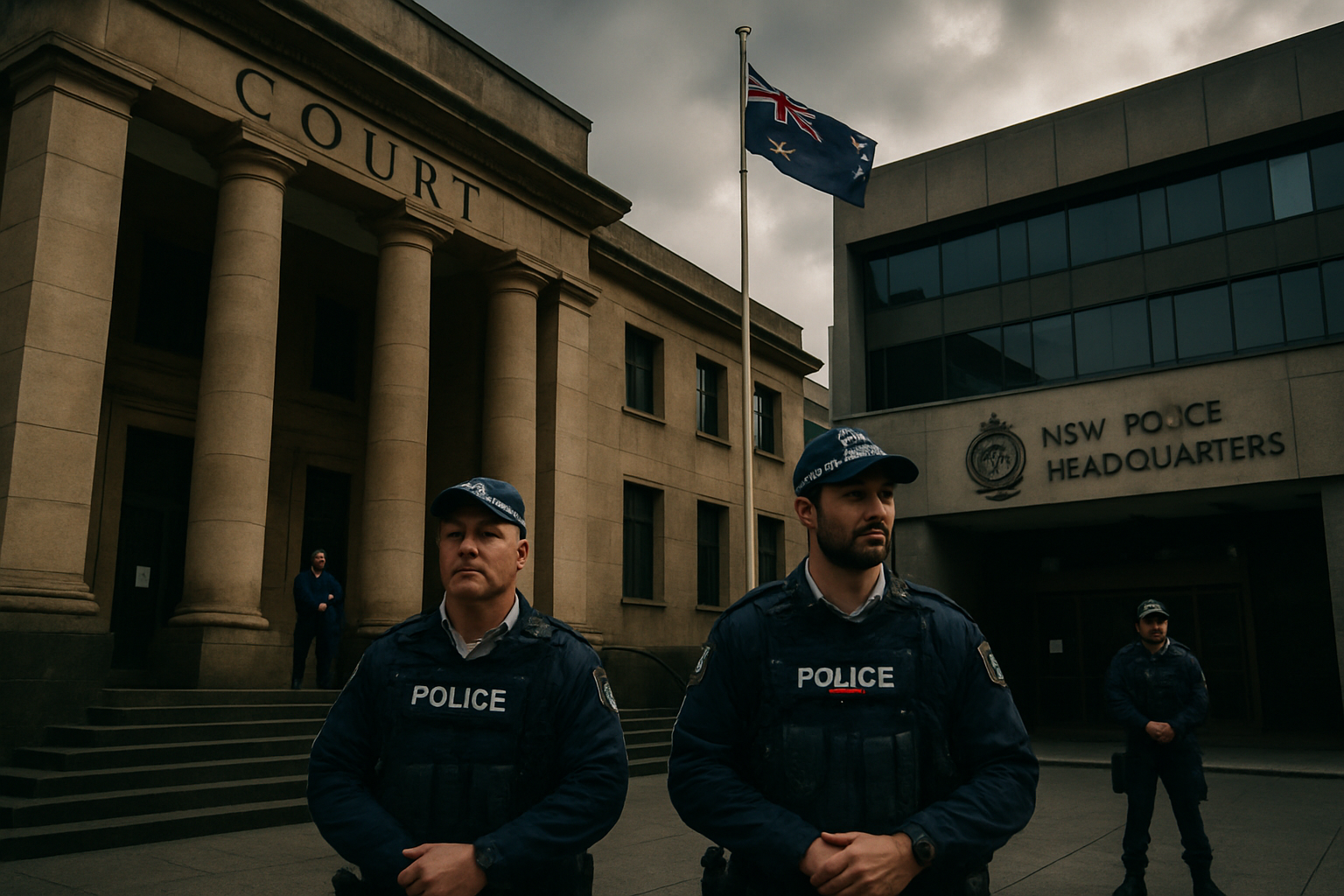
A 16-year-old Sydney teenager could face 15 years behind bars after being charged with several terrorism offenses for allegedly planning acts of violence following police investigations that uncovered extremist material and weapons.
Police will allege the boy held a "mixed ideology plan" and had detailed preparations to carry out violent attacks after analyzing extremist material found on a computer he allegedly owned. The case represents one of the most concerning developments in Australia's ongoing battle against domestic terrorism, particularly involving young radicalised individuals.
The investigation into the teenager began last year when police searched a home in Sydney's Inner West, where officers discovered a gel blaster and a flick knife. This initial search prompted a deeper investigation that ultimately led to terrorism charges being laid against the minor.
Extremist Material and Attack Planning
According to court proceedings, the 16-year-old boy allegedly downloaded extremist manuals detailing how to commit a mass casualty event. The material represents what authorities describe as "significantly concerning" evidence of advanced attack planning that goes beyond mere ideological interest.
The teenager's alleged activities demonstrate the sophisticated nature of modern terrorist recruitment and radicalisation, particularly through online platforms where extremist groups share tactical knowledge and ideological content designed to inspire violence against civilian targets.
Police sources indicate the investigation revealed evidence of sustained planning and preparation, suggesting this was not an impulsive decision but rather a calculated progression from consuming extremist content to developing operational capabilities for carrying out attacks.
Mixed Ideology Terrorism Threat
The case highlights a growing concern among Australian security agencies about individuals who adopt what experts term "mixed ideology" approaches to terrorism. Rather than adhering to a single extremist framework, these individuals may combine elements from various radical movements to justify violence.
This trend reflects the evolving nature of domestic terrorism threats, where traditional categorizations of left-wing, right-wing, or religious extremism may not adequately capture the complex motivational factors driving individual actors toward violence.
Australian security experts have previously warned about the challenges posed by individuals who cherry-pick ideological elements from different extremist movements, making their activities more difficult to predict and counter through conventional approaches.
Legal and Security Implications
The charges against the Sydney teenager mark another significant test of Australia's counter-terrorism legislation and the juvenile justice system's capacity to handle cases involving minors accused of planning mass violence. The potential 15-year sentence reflects the serious nature of terrorism-related offenses under Australian law.
Legal experts note that prosecuting terrorism cases involving minors presents unique challenges, balancing public safety concerns with rehabilitation principles typically applied to young offenders. The case will likely influence future approaches to handling similar situations.
The investigation represents successful intervention by Australian law enforcement and intelligence agencies before any attack could be executed, demonstrating the effectiveness of coordinated counter-terrorism efforts when credible threats are identified through intelligence gathering and community reporting.
Pattern of Domestic Terrorism Concerns
This arrest occurs within a broader pattern of domestic terrorism incidents that have elevated security concerns across Australia. Recent months have witnessed multiple incidents highlighting the persistent threat posed by radicalised individuals acting independently or in small cells.
The February 2026 Western Australia terrorist plot involving a 20-year-old Sunnybank man who allegedly planned coordinated attacks targeting Parliament House, police headquarters, and Muslim places of worship demonstrated the sophisticated planning capabilities of domestic extremists. That case resulted in the seizure of weapons, explosives, and manifesto-style documents outlining ideologically motivated violence.
Earlier incidents, including the December 2025 Bondi Beach Hanukkah festival attack that killed 15 people and the February 2026 Brisbane synagogue ramming attack, have prompted enhanced security measures including the establishment of NSW Police's armed response command with over 250 specialist officers and the permanent implementation of Operation Shelter, an anti-hate crime unit.
Community and Law Enforcement Response
The successful intervention in this case underscores the importance of community vigilance and effective intelligence-led policing in preventing terrorist attacks. Australian authorities have consistently emphasized that community reporting and engagement remain crucial components of counter-terrorism strategies.
NSW Police have significantly enhanced their counter-terrorism capabilities in response to evolving threats, with specialized units equipped with advanced training and equipment to respond to complex security incidents. The armed response command operates with long-arm rifles, modified rapid-response vehicles, and 28 civilian staff supporting operational activities.
Intelligence-led patrols of high-risk areas, places of worship, major events, and protests have become standard practice, reflecting the serious approach Australian law enforcement agencies are taking to prevent terrorist incidents before they occur.
Broader Security Architecture
This case occurs within the context of Australia's evolving domestic security challenges, where traditional international terrorism concerns have increasingly been supplemented by locally radicalised individuals capable of sophisticated attack planning. The shift from externally directed to domestically initiated terrorism represents a fundamental change in the threat landscape.
Australian security agencies continue to adapt their approaches to address the complex intersection of online radicalisation, ideological diversity among extremist movements, and the practical challenges of monitoring and intervening against individuals who may not fit conventional terrorist profiles.
The successful prevention of this alleged plot demonstrates the effectiveness of coordinated law enforcement when credible threats are identified, while highlighting the continued need for vigilance and robust security measures to protect Australian communities from ideologically motivated violence.
Moving Forward
As this case proceeds through the legal system, it will provide important insights into Australia's capacity to prosecute complex terrorism cases involving minors while maintaining appropriate legal protections and rehabilitation opportunities. The outcome may influence future policy approaches to preventing radicalisation among young Australians.
The incident reinforces the critical importance of continued investment in counter-terrorism capabilities, community engagement programs, and early intervention strategies designed to identify and address radicalisation before it progresses to operational planning for violence.
For Australian communities, this case serves as a reminder of both the persistent nature of terrorism threats and the effectiveness of professional law enforcement and intelligence agencies working to maintain public safety through coordinated prevention efforts.