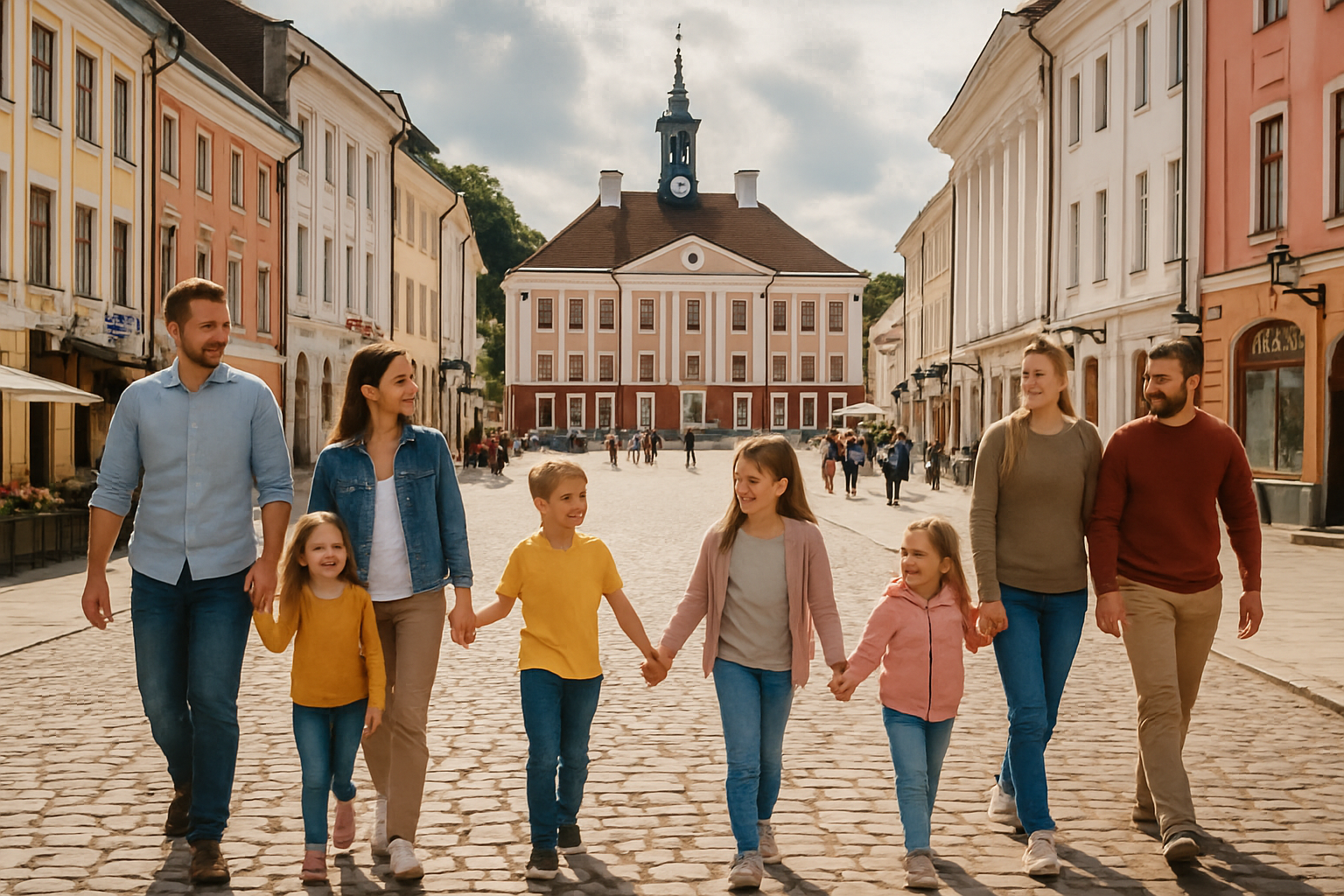
Tartu has launched a comprehensive online advertising campaign specifically targeting Latvian families, showcasing the Estonian city's child-friendly attractions and emphasizing the convenience of the recently established train connection to Riga.
The strategic marketing initiative represents a significant investment in cross-border tourism cooperation, designed to position Tartu as a premier family destination for Latvian visitors seeking accessible cultural experiences. The campaign comes at a pivotal moment for Baltic regional tourism, as enhanced transportation links create new opportunities for intra-regional travel.
Enhanced Rail Connectivity Drives Campaign
Central to the campaign's messaging is the recently launched train service between Tartu and Riga, which has transformed travel accessibility between the two Baltic capitals. The direct rail connection eliminates previous logistical barriers that historically limited cross-border tourism flows, offering families a convenient and environmentally sustainable travel option.
The timing of this campaign aligns with broader infrastructure developments across the Baltic region. Estonia's commitment to the Rail Baltica project, which will eventually connect all three Baltic states to the broader European rail network, demonstrates the strategic importance of regional connectivity for tourism development.
Family-Centered Marketing Strategy
Unlike traditional tourism campaigns that focus broadly on cultural heritage or general attractions, Tartu's initiative specifically highlights locations and activities designed for families with children. This targeted approach reflects sophisticated market research identifying Latvian families as an underserved but high-potential visitor demographic.
The campaign showcases Tartu's unique position as Estonia's cultural and educational capital, home to the country's oldest university and numerous family-friendly museums, parks, and cultural venues. The city's compact size and walkable historic center make it particularly appealing for families traveling with children of various ages.
Regional Tourism Context
This campaign emerges within a broader context of Baltic regional cooperation and tourism development. Recent analysis shows increasing coordination among Baltic states in promoting cross-border tourism, with Latvia hosting the Balttour 2026 tourism exhibition in Riga, demonstrating renewed focus on regional tourism collaboration.
The initiative also reflects post-pandemic tourism recovery strategies that emphasize quality experiences over volume-based approaches. By targeting specific demographic groups from neighboring countries, Tartu is implementing a more sustainable tourism model that builds on existing cultural connections and geographic proximity.
Strategic Tourism Development
Tartu's campaign represents a mature approach to destination marketing that leverages both infrastructure improvements and cultural assets. The city's UNESCO City of Literature designation, combined with its status as Estonia's intellectual center, provides authentic cultural attractions that appeal to families seeking educational travel experiences.
The emphasis on train connectivity also aligns with growing environmental consciousness among travelers, particularly families making vacation decisions based on sustainability considerations. The rail connection offers a lower-carbon alternative to automobile travel while providing a comfortable journey experience.
Economic and Cultural Impact
Tourism industry experts anticipate that successful cross-border family tourism can generate significant economic benefits for both Estonia and Latvia. Family tourism typically involves longer stays and higher per-capita spending on accommodations, dining, and cultural activities, creating sustainable revenue streams for local businesses.
The campaign also strengthens cultural ties between Estonian and Latvian communities, building on historical connections while creating new relationships through contemporary travel experiences. This cultural exchange benefits both nations through enhanced mutual understanding and cooperation.
Implementation and Future Outlook
The online advertising campaign utilizes digital platforms popular among Latvian families, employing targeted messaging that highlights specific attractions and practical travel information. The campaign's success will likely be measured through visitor statistics, tourism revenue data, and feedback from participating businesses.
If successful, this initiative could serve as a model for other Baltic cities seeking to develop targeted regional tourism strategies. The approach demonstrates how infrastructure improvements can be leveraged for tourism development while building stronger regional cooperation.
The campaign represents a significant step in developing sustainable, cross-border tourism that benefits local communities while providing authentic cultural experiences for visitors. As transportation infrastructure continues improving across the Baltic region, such targeted tourism initiatives are likely to become increasingly important for economic development and cultural exchange.