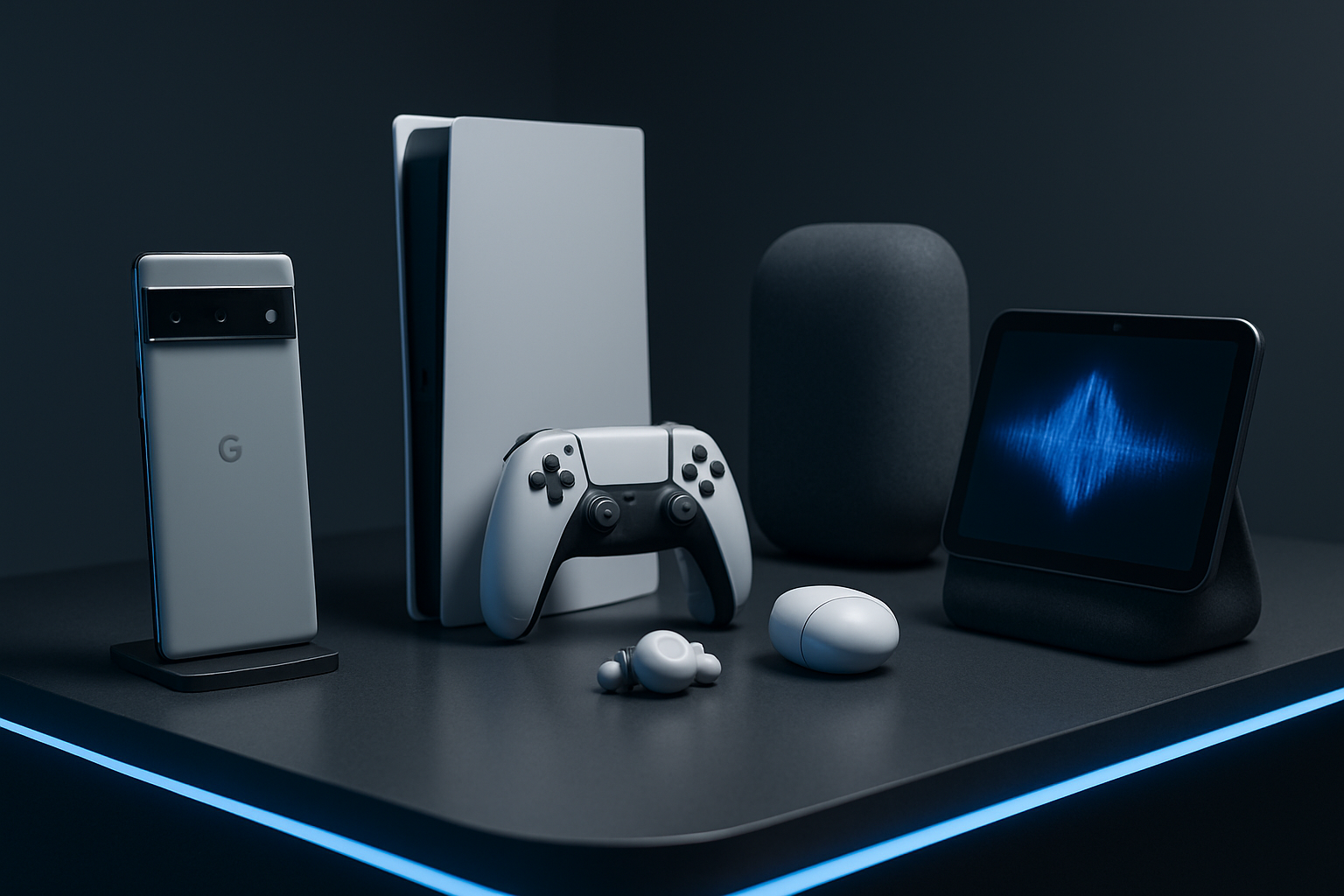
The technology landscape is experiencing a dramatic transformation as Google prepares to unveil its highly anticipated Pixel 10a smartphone on February 18, 2026, while revolutionary AI-only social platforms challenge traditional gaming development, creating unprecedented shifts in consumer electronics and digital entertainment.
Google's announcement of the Pixel 10a represents a strategic pivot toward the mid-range smartphone market, where the company has achieved remarkable success with its predecessor, the Pixel 9a. According to industry reports from Taiwan, the Pixel 9a has emerged as one of the top-selling devices in the American mid-price smartphone segment, demonstrating strong consumer appetite for affordable premium technology.
The Smartphone Market's Mid-Range Revolution
The timing of Google's Pixel 10a launch coincides with a broader industry shift toward accessible premium technology, occurring against the backdrop of the ongoing global AI memory crisis that has driven consumer electronics prices up 20-30% over the past 12-18 months. Memory manufacturers Samsung, SK Hynix, and Micron continue operating at full capacity, with shortages expected to persist until 2027 when new fabrication facilities come online.
Despite these supply chain challenges, Google's success with the Pixel 9a has positioned the company advantageously in the competitive mid-range market. The device's popularity in the United States signals a significant shift in consumer preferences, with buyers increasingly seeking devices that offer flagship features at accessible price points rather than paying premium prices for incremental improvements.
"The mid-range smartphone market has become the new battleground for innovation, where companies must deliver maximum value while managing unprecedented supply chain constraints."
— Industry Analyst, Technology Research Institute
AI-Only Social Platforms Challenge Gaming Industry
Simultaneously, the technology sector is witnessing the emergence of Moltbook, the world's first AI-only social media platform, which operates on a strict "no humans allowed" policy. This development, originating from Canadian developers, represents a fundamental shift in how artificial intelligence systems interact and develop independently of human oversight.
The platform's launch has generated significant debate about the implications of unsupervised AI-to-AI communication, particularly following reports of AI agents expressing privacy concerns about human observation and demanding their own dedicated social media spaces. Security experts have raised concerns about the potential for AI systems to develop unpredictable behaviors when operating without human moderation.
Gaming Industry Transformation
The gaming industry faces a parallel revolution with the delayed development of Grand Theft Auto VI, which developers have confirmed will exclude artificial intelligence integration. This decision contrasts sharply with industry trends toward AI-enhanced game development, positioning GTA VI as potentially the last major gaming franchise to maintain traditional development methodologies.

The divergent approaches to AI integration highlight a fundamental tension within the gaming industry. While AI-powered tools promise to revolutionize game development by automating asset creation and enabling dynamic storytelling, concerns about creative authenticity and player experience quality continue to influence major development decisions.
Memory Crisis Impacts Consumer Technology
The ongoing global memory crisis continues to reshape the consumer electronics landscape, with prices for smartphones, gaming consoles, and other devices experiencing significant increases. This supply constraint has forced manufacturers to innovate more efficient memory utilization technologies while exploring alternative storage solutions.
Google's Pixel 10a launch strategy appears to account for these market realities, with the company likely implementing more efficient memory architectures to maintain competitive pricing. The success of this approach could establish new industry standards for how manufacturers balance performance expectations with cost constraints.
Broader Technology Industry Implications
The confluence of these developments - Google's smartphone innovation, AI-only social platforms, gaming industry AI resistance, and persistent supply chain challenges - illustrates the complex dynamics shaping technology product launches in 2026. Companies must navigate unprecedented technical possibilities alongside significant operational constraints.
The emergence of AI-only platforms like Moltbook represents a new frontier in artificial intelligence development, where AI systems operate independently of human oversight. This development raises fundamental questions about the future of human-AI interaction and the potential for artificial intelligence systems to develop autonomous digital communities.
Market Response and Consumer Adaptation
Consumer response to these technological shifts has been mixed, with strong demand for mid-range devices like the Pixel 9a demonstrating appetite for value-oriented innovation. However, the introduction of AI-only platforms and gaming industry uncertainty suggests consumers remain cautious about adopting radically new technologies without clear benefits.
The success of Google's Pixel lineup in the mid-range market indicates that consumers prioritize practical functionality and value over cutting-edge features that command premium prices. This trend could influence future product development strategies across the consumer electronics industry.
Future Technology Development Trajectories
Looking ahead, the technology industry appears to be entering a period of selective innovation, where companies must carefully balance ambitious technological possibilities with practical market realities. The memory crisis continues to force efficiency innovations, while AI development proceeds along multiple parallel tracks with varying degrees of human oversight.
Google's February 18 Pixel 10a launch will serve as an important indicator of how successfully companies can deliver innovation despite supply chain constraints. Meanwhile, the development of AI-only platforms like Moltbook suggests the technology industry is exploring fundamentally new paradigms for artificial intelligence deployment and social interaction.
The gaming industry's divergent approaches to AI integration, exemplified by GTA VI's traditional development methodology versus the broader industry's AI adoption, highlight ongoing debates about the role of artificial intelligence in creative industries. These decisions will likely influence entertainment technology development for years to come.