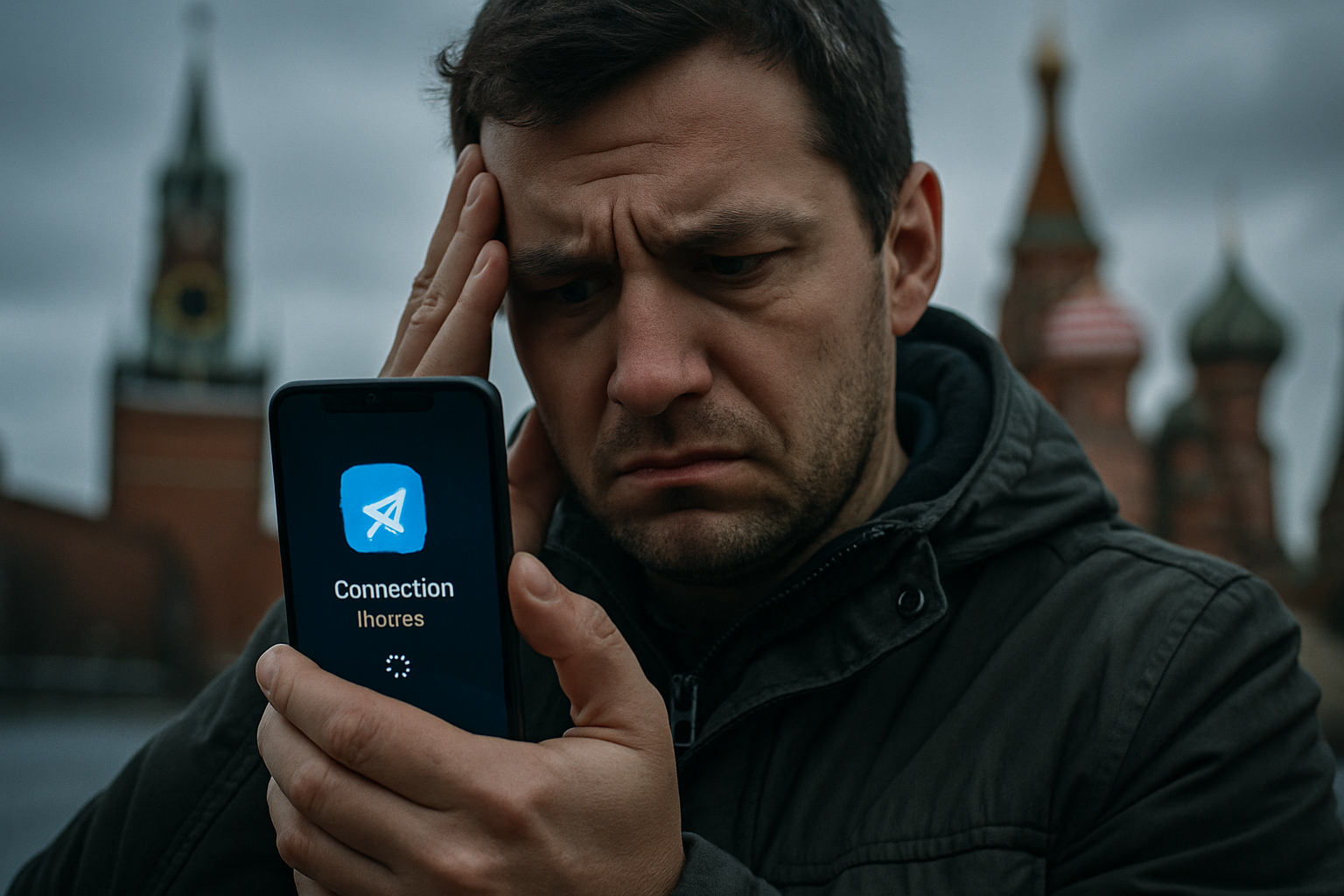
Russian users of the messaging platform Telegram are reporting widespread service disruptions for the second consecutive day, with connection issues primarily affecting remote northern regions of the country as global tensions over social media platform regulation continue to escalate.
According to data from monitoring service Downdetector, complaints about Telegram functionality began rising on the morning of February 9, marking the continuation of technical problems that first emerged on February 8. The issues have persisted despite a temporary decline in reported problems on the evening of February 9, with users experiencing difficulties loading messages and media files.
Geographic Distribution of Service Issues
The most significant disruptions have been concentrated in Russia's remote northern territories, with the Nenets Autonomous Okrug, Magadan Oblast, and Sakhalin Oblast reporting the highest number of user complaints. These regions, characterized by sparse population density and challenging telecommunications infrastructure, appear to be disproportionately affected by the technical difficulties.
Previous reports on February 8 indicated that complaints also originated from users in Tyumen, Novosibirsk, and other Siberian regions, suggesting a pattern of connectivity issues affecting Russia's vast interior and northern territories rather than major metropolitan areas like Moscow and St. Petersburg.
Technical Nature of the Disruptions
Users across the affected regions are reporting consistent technical symptoms, including:
- Inability to load new messages in chat conversations
- Failure to download or upload media files and documents
- Intermittent connectivity issues with Telegram's servers
- Delayed message delivery and synchronization problems
The technical issues appear to be server-side connectivity problems rather than complete service blackouts, as many users report partial functionality while experiencing significant performance degradation.
Global Context of Platform Regulation Battles
These service disruptions occur against the backdrop of an unprecedented global regulatory assault on social media platforms and messaging services. The timing coincides with intensifying international efforts to regulate digital platforms, particularly those with significant influence over public communication.
Recent developments in platform regulation have created a hostile environment for messaging services across multiple jurisdictions. Spain has implemented the world's most aggressive social media regulations, including criminal executive liability for platform executives and complete bans on social media access for users under 16. The Spanish framework includes mandatory biometric age verification systems and legal definitions of algorithmic manipulation.
European coordination on platform regulation has expanded rapidly, with Greece moving forward with under-15 restrictions, Slovenia announcing similar measures, and formal consultations underway in France, Denmark, and Austria. The United Kingdom has launched official reviews, while Germany's Christian Democratic Union is actively considering under-16 restrictions.
Telegram's Regulatory Confrontations
Telegram CEO Pavel Durov has emerged as one of the most vocal opponents of the European regulatory wave, directly challenging government authorities through mass user notifications. In February, Durov sent alerts to all Spanish Telegram users warning that proposed regulations "can turn Spain into surveillance state under pretext of protection," urging citizens to "fight for their rights."
"These measures represent the most dangerous threat to digital freedom since the internet's creation"
— Pavel Durov, Telegram CEO
The Spanish government responded by characterizing Durov's mass messaging campaign as evidence supporting their regulatory framework, with officials arguing that the incident demonstrates the "urgent need to regulate networks and messaging applications."
Industry-Wide Technical Pressures
The current service disruptions also reflect broader technical challenges facing the global technology sector. The industry is experiencing a severe memory crisis, with semiconductor prices increasing sixfold and affecting major manufacturers including Samsung, SK Hynix, and Micron, all operating at full capacity with shortages expected to continue until 2027.
This infrastructure bottleneck has created technical stress across digital platforms, forcing companies to develop more memory-efficient algorithms and alternative computing architectures while maintaining service reliability for billions of users worldwide.
Russia's Digital Infrastructure Challenges
Russia's vast geography presents unique telecommunications challenges, particularly for regions like the Nenets Autonomous Okrug and Sakhalin Oblast, which rely heavily on satellite communications and undersea cables for internet connectivity. These areas are inherently more vulnerable to service disruptions due to their remote locations and limited redundant infrastructure.
The concentration of Telegram issues in these northern territories may reflect broader infrastructure limitations rather than targeted restrictions, as these regions have historically experienced connectivity challenges during extreme weather conditions and technical maintenance periods.
Implications for Digital Communications
The persistent Telegram disruptions highlight the fragility of digital communication networks in remote regions and underscore the critical importance of messaging platforms for communities with limited alternative communication options. For residents of northern Russian territories, Telegram often serves as a primary means of communication with family, access to news, and connection to government services.
The timing of these technical issues, coinciding with global platform regulation battles, raises questions about the resilience of digital communication infrastructure during periods of geopolitical tension and regulatory uncertainty.
Response and Recovery Efforts
Telegram has not issued public statements regarding the specific technical causes of the Russian service disruptions or provided timelines for complete restoration of service. The company's focus on European regulatory battles may be diverting resources from technical infrastructure maintenance and customer support operations.
User communities on alternative platforms have organized informal support networks, sharing technical workarounds and alternative communication methods while service restoration efforts continue.
Broader Technology Sector Trends
These disruptions occur during a period of unprecedented upheaval in the global technology sector. The "SaaSpocalypse" has erased hundreds of billions in market capitalization as AI systems demonstrate capabilities to replace traditional software platforms. Regulatory authorities across Europe and other jurisdictions are implementing criminal liability frameworks for technology executives.
The convergence of technical infrastructure challenges, regulatory pressures, and market volatility creates a perfect storm for service reliability issues across digital platforms. Companies are struggling to balance compliance costs, technical infrastructure investments, and service quality maintenance while facing existential challenges to their business models.
Looking Forward
The resolution of Telegram's service disruptions in Russia will serve as an important test case for platform resilience during periods of regulatory and technical stress. As global authorities continue implementing aggressive platform regulations with criminal penalties for executives, technology companies must demonstrate their ability to maintain service reliability while navigating complex legal and technical challenges.
For users in Russia's remote northern territories, the restoration of reliable Telegram service represents more than technical convenience—it constitutes essential communication infrastructure for communities with limited alternatives. The incident underscores the critical importance of robust, redundant digital infrastructure in supporting modern communication needs across diverse geographic and political contexts.