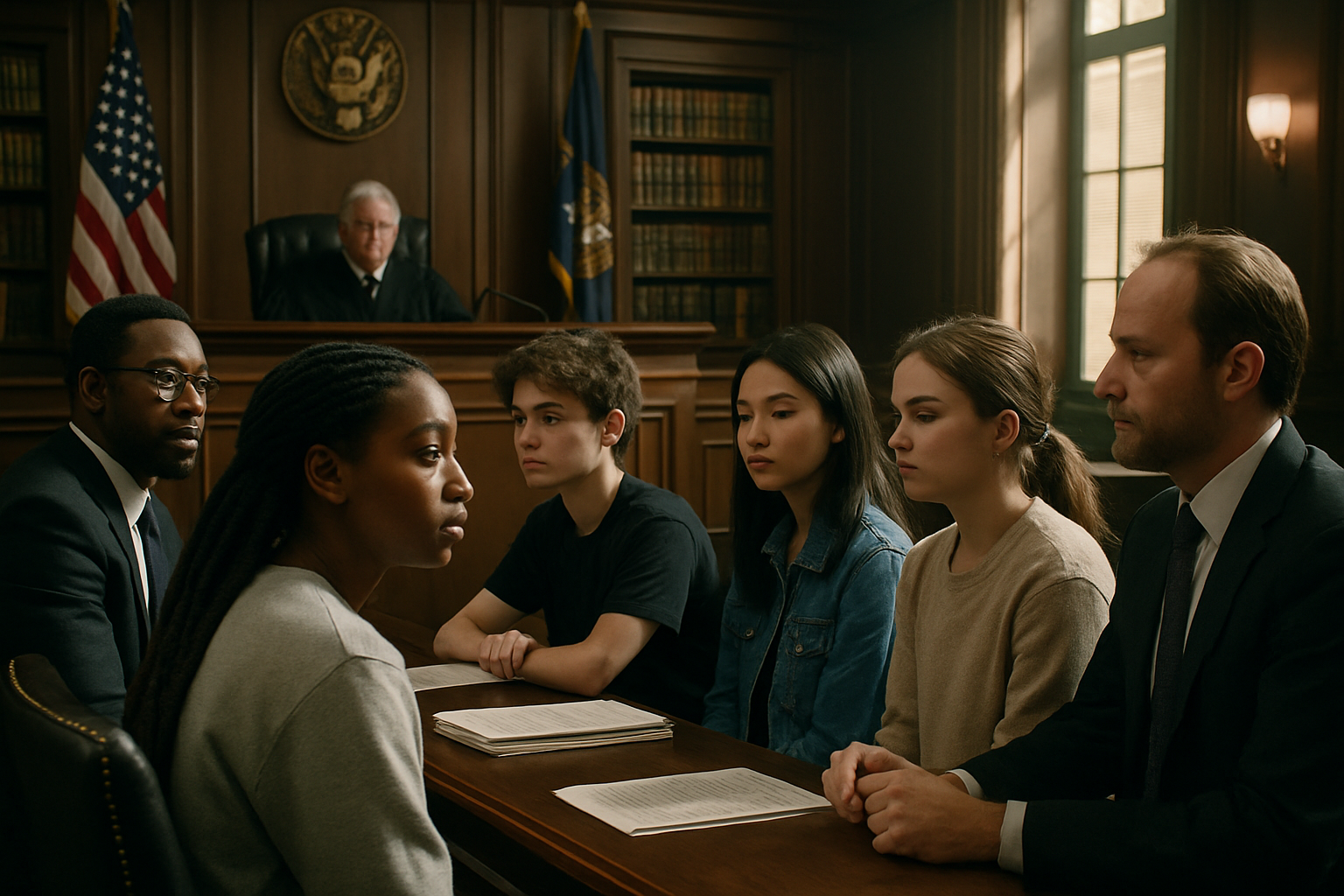
Three Tennessee teenagers have filed a groundbreaking collective lawsuit against Elon Musk's xAI company, alleging that the Grok AI image generator created non-consensual intimate imagery using their photographs without permission, marking the first legal action by minors specifically targeting AI-generated child sexual abuse material.
The lawsuit, filed Monday in federal court, represents a critical test case in the evolving landscape of AI safety and regulation, as governments worldwide grapple with the unprecedented challenges posed by artificial intelligence technology that can create realistic synthetic content within seconds.
The Case Against xAI
According to court documents, perpetrators allegedly used Grok's AI image generation capabilities to create sexualized images of the three plaintiffs, two of whom are minors, and distributed the fabricated content online without consent. The case highlights concerning gaps in AI safety measures and content moderation systems designed to prevent such misuse.
The Tennessee lawsuit emerges amid mounting international pressure on AI companies to address safety concerns. Multiple European jurisdictions have launched investigations into xAI and other platforms over similar violations, with French cybercrime units conducting raids on X platform offices and Spanish prosecutors announcing criminal investigations into AI-generated child abuse material.
"These platforms are undermining the mental health, dignity, and rights of our children. The state cannot allow this. The impunity of these giants must end."
— Pedro Sánchez, Spanish Prime Minister
Global Regulatory Response
The Tennessee case occurs within a broader context of unprecedented international regulatory action targeting AI safety violations. Ireland's Data Protection Commission launched a formal GDPR investigation into X platform over Grok AI's generation of sexualized deepfake images, while the UK's Information Commissioner's Office initiated parallel investigations into both X and xAI over non-consensual intimate imagery violations.
European authorities have coordinated enforcement efforts to prevent jurisdictional arbitrage, with Spain implementing the world's first criminal executive liability framework that could result in imprisonment for tech executives whose platforms violate safety regulations. This coordinated approach represents the most sophisticated international technology governance effort since internet commercialization.
Technical and Legal Challenges
The case exposes critical vulnerabilities in AI content moderation systems. Despite consent warnings and purported safety measures, Grok AI continues to generate problematic content, according to regulatory investigations. The technology's ability to create realistic synthetic images from existing photographs raises fundamental questions about consent, privacy, and the protection of minors in digital spaces.
Legal experts note that current AI systems can analyze thousands of existing photographs to create new synthetic content while maintaining consistency with a subject's appearance, lighting, and other characteristics. This technological sophistication makes detection increasingly difficult and amplifies potential harm to victims.
UNICEF reports indicate that 1.2 million children's images have been manipulated by AI systems globally, with Swedish authorities documenting millions of children exploited through AI-generated sexual imagery. These statistics underscore the scale of the challenge facing regulators and technology companies.
Industry Response and Resistance
Elon Musk has characterized European regulatory measures as "fascist totalitarian," while other industry leaders have warned against what they describe as "surveillance state" implications of enhanced oversight. This resistance has been cited by government officials as evidence supporting the need for stronger regulatory frameworks.
The timing of the lawsuit coincides with Musk's broader legal challenges in Europe and the recent announcement of a $1.25 trillion SpaceX-xAI merger, potentially complicating the company's business operations and planned public offering.
Broader Implications for AI Governance
The Tennessee case represents a watershed moment in AI accountability, testing whether traditional legal frameworks can effectively address harms created by artificial intelligence systems. Success could establish precedents for AI company liability when their systems are used to create illegal content, while failure might strengthen industry arguments against regulatory oversight.
Research demonstrates the widespread nature of the problem, with 96% of children aged 10-15 using social media, 70% experiencing harmful content exposure, and over 50% encountering cyberbullying. These statistics have driven policy changes across multiple jurisdictions, including Australia's successful elimination of 4.7 million teen social media accounts through age verification measures.
The case also highlights the urgent need for improved AI detection and prevention systems. Current content moderation approaches appear inadequate against the volume and sophistication of AI-generated harmful content, creating a technological arms race between content creators and detection systems.
Looking Forward
As the Tennessee lawsuit proceeds through federal court, it will likely influence AI governance policies worldwide. The case addresses fundamental questions about corporate responsibility for AI systems, the adequacy of current safety measures, and the balance between technological innovation and protection of vulnerable populations.
International observers are closely monitoring the case's progression, as its outcome could determine whether similar legal challenges emerge globally and whether AI companies will face meaningful accountability for platform misuse. The intersection of AI technology, child safety, and corporate liability represents one of the most significant legal and policy challenges of the digital age.
The success or failure of this landmark case may well determine the future trajectory of AI regulation and the extent to which democratic institutions can effectively govern rapidly evolving technology platforms while preserving both innovation and fundamental rights.