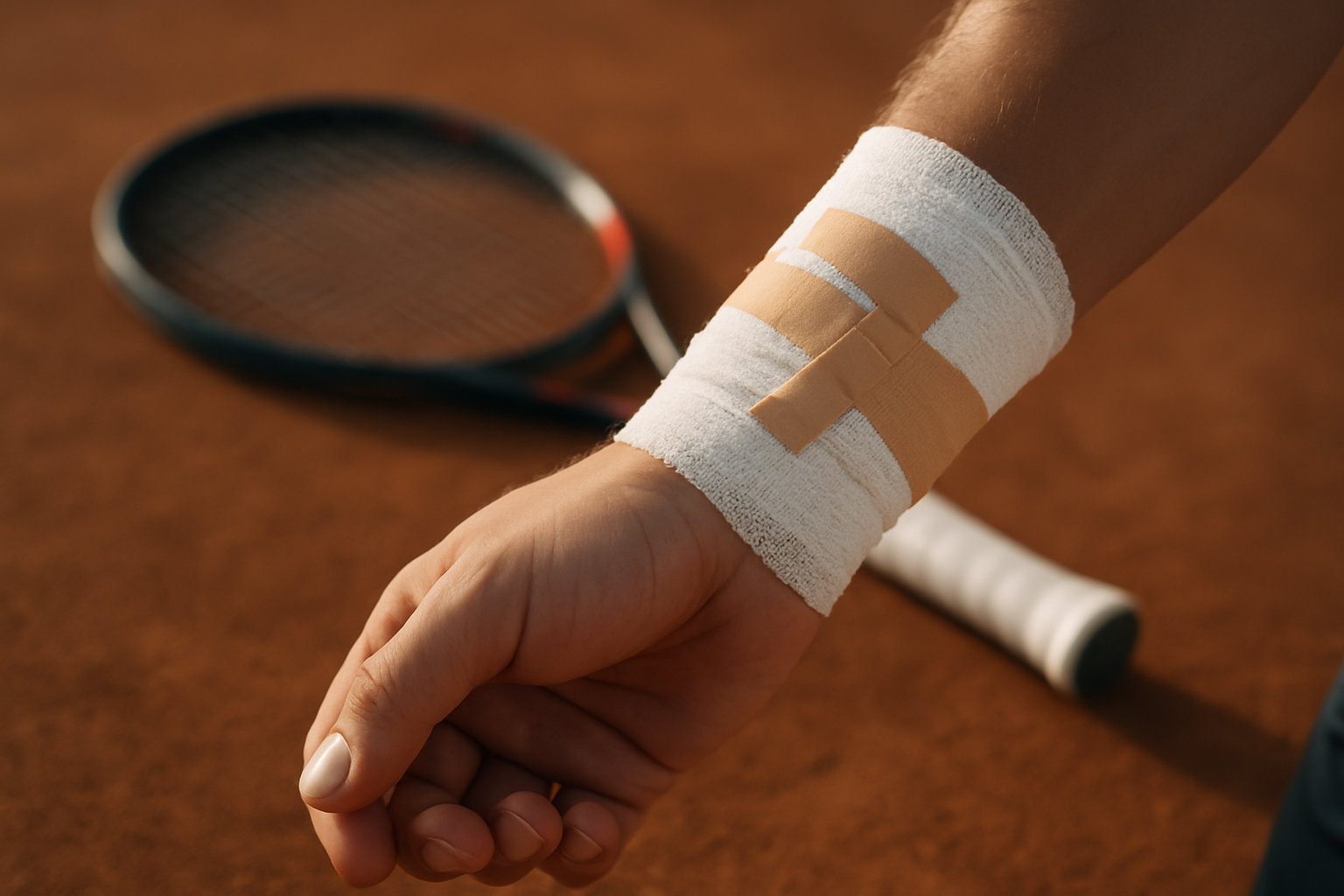
Professional tennis is grappling with an unprecedented injury crisis as world-class players continue to withdraw from major tournaments due to persistent wrist injuries, fundamentally altering the competitive landscape and raising serious questions about player welfare in the modern game.
The crisis reached its apex on April 24, 2026, when two-time defending French Open champion Carlos Alcaraz officially announced his withdrawal from Roland Garros due to a right wrist injury that has plagued him since mid-April. The 22-year-old Spanish sensation, who completed his career Grand Slam at the Australian Open earlier this year, becomes the latest victim of what experts are calling an epidemic of wrist-related injuries affecting elite tennis players.
Alcaraz's Devastating Setback
Alcaraz's withdrawal represents more than just another tournament absence—it marks the end of a potential historic three-peat attempt that would have placed him among the most elite French Open champions in tennis history. The injury first manifested during his debut match at the Barcelona Open (Godó) in mid-April, forcing him to retire mid-match and setting off a cascade of withdrawals from subsequent tournaments.
"After the tests carried out today, it is more prudent to be cautious. This is a complicated moment for me."
— Carlos Alcaraz, Statement on French Open Withdrawal
Medical tests conducted on April 24 revealed that Alcaraz's wrist had not healed sufficiently for competitive play at Grand Slam level, forcing the difficult decision to prioritize long-term health over immediate competition. The withdrawal marks his first Grand Slam absence due to injury since his professional breakthrough, ending what many considered his succession to Rafael Nadal's clay court legacy.
Pattern of Elite Player Withdrawals
Alcaraz's situation is part of a troubling pattern that has emerged throughout the 2026 tennis season. The injury forced his withdrawal from multiple clay court tournaments leading up to Roland Garros, including the Madrid Masters 1000 and Italian Open Rome—marking the second consecutive year he has missed his home tournament in Madrid due to injury concerns.
The timing proves particularly devastating as clay court season places unique physical demands on players, with longer rallies and greater movement requirements taking a toll even on the most conditioned athletes. The repetitive stress of tennis, particularly on the wrist joint during serves and groundstrokes, has proven problematic for multiple top-ranked players throughout 2026.
Conservative Recovery Approach
What distinguishes Alcaraz's situation is the conservative approach adopted by his medical team, prioritizing long-term career health over short-term competitive gains. At 22, this strategic decision reflects maturity and consideration for career longevity, though it comes at the cost of defending his French Open title and maintaining his clay court dominance streak.
Wrist injuries present particular challenges for tennis players due to the repetitive stress placed on the joint during every stroke. The conservative recovery strategy aims to prevent the injury from becoming a chronic condition that could affect Alcaraz's career trajectory over the coming decades.
Tournament Impact and Competitive Implications
The withdrawal fundamentally alters the 2026 French Open dynamics, with current world number one Jannik Sinner now positioned as the clear favorite following his recent Monte Carlo Masters victory over Alcaraz in April. The Italian's triumph at Monte Carlo, where he defeated the Spanish champion 7-6(5), 6-3, already signaled a shift in clay court supremacy.
Tournament organizers face significant commercial and broadcast implications with the defending champion's absence. Roland Garros will proceed without its defending champion for the first time since 2023, fundamentally changing the tournament narrative and promotional strategy just one month before competition begins.
Historical Context and Precedents
Tennis has previously witnessed high-profile injury withdrawals affecting major tournaments, but the current crisis appears more systematic. The demanding professional tour schedule, with Masters 1000 events, Grand Slams, and ATP tour obligations, places unprecedented physical demands on elite athletes throughout the calendar year.
The pattern extends beyond individual cases to represent broader concerns about player welfare in professional tennis. The condensed tournament schedule and physical intensity of modern tennis, combined with longer rallies and more powerful shot-making, has created an environment where injury management becomes as crucial as tactical preparation.
Medical and Scheduling Concerns
Tennis medical experts point to several contributing factors behind the current injury crisis. The modern game's emphasis on power and athleticism, combined with year-round competition schedules, places enormous stress on players' bodies. Wrist injuries, in particular, result from the repetitive high-impact nature of tennis strokes performed thousands of times throughout a season.
The timing of clay court season, following hard court tournaments in Indian Wells and Miami, requires players to adjust their movement and stroke mechanics significantly. The transition from hard courts to clay places different demands on the wrist joint, potentially exacerbating existing vulnerabilities or creating new injury risks.
"The physical demands of professional tennis have increased dramatically over the past decade. Players are hitting harder, moving faster, and competing more frequently than ever before."
— ATP Medical Analysis, 2026 Player Welfare Report
Future Implications for Tennis
Alcaraz's withdrawal raises immediate questions about his Wimbledon preparation, where he won titles in 2023 and 2024. The grass court season presents different physical demands that may offer a suitable return opportunity depending on his recovery progress. However, the incident highlights the delicate balance required between competitive ambition and long-term health management.
The tennis community continues monitoring recovery progress with Roland Garros participation uncertain, but the focus has shifted toward sustainable approaches to player development and tournament scheduling that prioritize athlete welfare alongside commercial considerations.
Broader Player Welfare Discussion
The current injury crisis has prompted renewed discussion about tour scheduling, mandatory rest periods, and injury prevention protocols. Tennis governing bodies face pressure to address systemic issues contributing to player injuries while maintaining the sport's commercial viability and global appeal.
Revolutionary approaches to training, recovery, and tournament preparation are being explored across the professional tennis community. Enhanced sports science, improved court surfaces, and modified tournament structures represent potential solutions to the current player welfare challenges.
Looking Forward
As the 2026 French Open approaches without its defending champion, the tournament faces the challenge of maintaining competitive integrity while addressing underlying player welfare concerns. The absence of Alcaraz, combined with similar withdrawals throughout the season, signals that professional tennis must evolve to protect its most valuable assets—the elite athletes who define the sport's global appeal.
The tennis world watches closely as recovery timelines unfold and tournament organizers adapt to the new reality of injury-related withdrawals affecting major competitions. The solution requires collaborative efforts between players, medical professionals, tournament organizers, and governing bodies to ensure the sport's long-term sustainability while preserving the athletic excellence that defines professional tennis at its highest level.
The coming months will prove crucial in determining whether this injury crisis represents an isolated challenge or signals the need for fundamental changes in how professional tennis manages player welfare in an increasingly demanding competitive environment.