Revolutionary medical advances across five nations demonstrate the accelerating momentum of the "Therapeutic Revolution of 2026," as cutting-edge surgical technologies, innovative treatment methods, and coordinated healthcare initiatives transform patient care worldwide.
From Monaco's pioneering single-port robotic surgery to Romania's scar-free gynecological procedures, the latest developments reveal a global healthcare transformation that combines technological innovation with human-centered care approaches, addressing critical challenges while expanding access to life-saving treatments.
Revolutionary Surgical Technologies Lead Medical Innovation
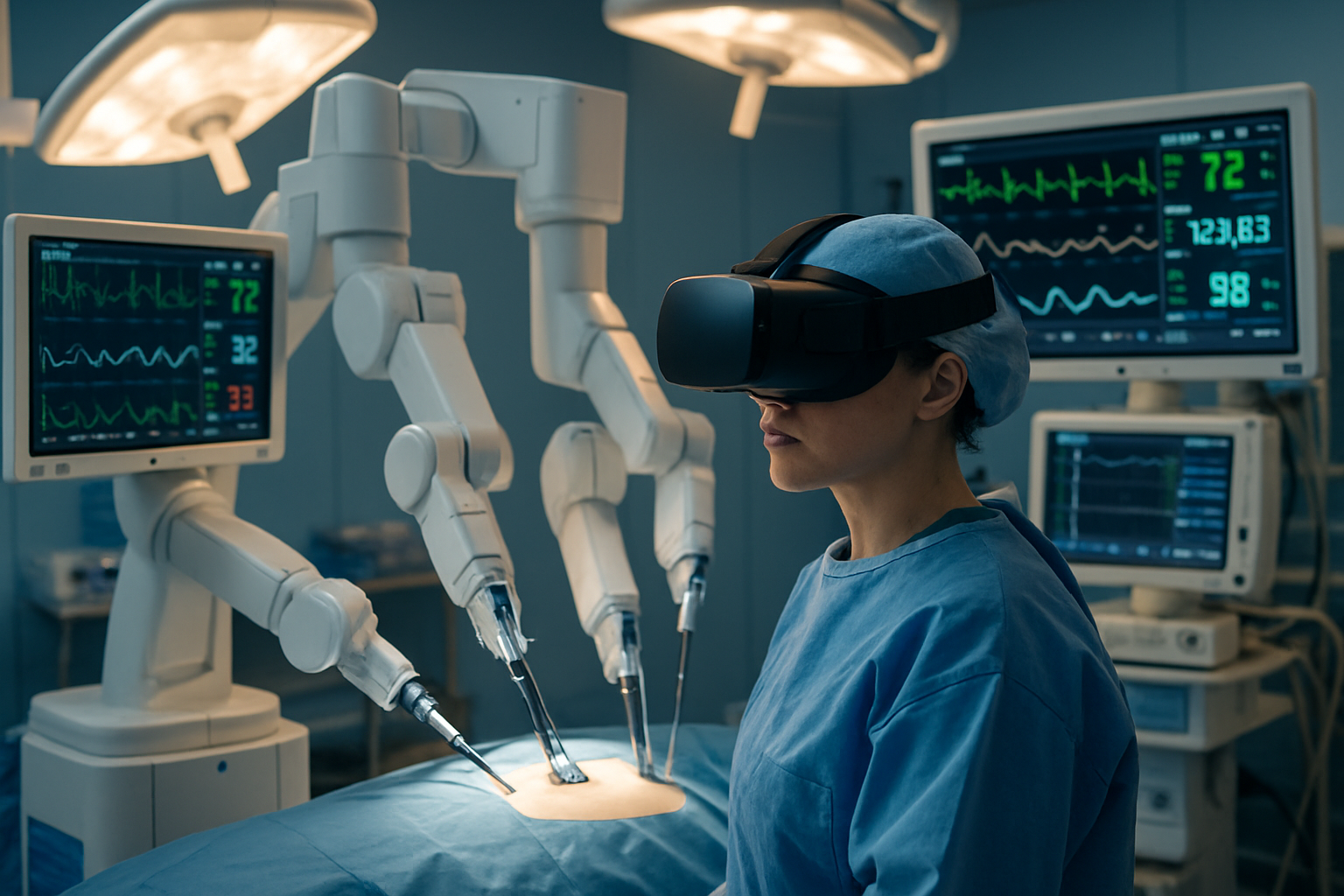
The Princess Grace Hospital Centre in Monaco has become the epicenter of surgical innovation with the introduction of the Da Vinci Single Port system, marking a significant advancement in minimally invasive surgery. This new generation surgical robot represents cutting-edge technology designed to improve precision, safety, and patient recovery times.
Recently approved in Europe, the Da Vinci Single Port system is currently available at only one site, positioning Monaco at the forefront of surgical excellence. The technology enables surgeons to perform complex procedures through a single incision, dramatically reducing patient trauma while maintaining the highest standards of surgical precision.
"This technology represents the future of surgery - combining artificial intelligence with human expertise to achieve outcomes that were impossible just years ago."
— Hospital spokesperson, Princess Grace Hospital Centre
The innovation builds upon the broader therapeutic revolution that healthcare systems worldwide have been experiencing since early 2026, characterized by prevention-first strategies, enhanced international cooperation, and technology integration that enhances rather than replaces clinical judgment.
Scar-Free Surgery Transforms Women's Healthcare
In Romania, medical professionals are pioneering vNOTES (vaginal natural orifice transluminal endoscopic surgery), representing one of the newest techniques in gynecological surgery beyond traditional laparoscopy and robotic procedures. This minimally invasive approach combines the advantages of vaginal surgical approaches with the benefits of laparoscopic visualization.
The breakthrough technique offers immediate patient benefits: no abdominal incisions, reduced post-operative pain, and recovery times that can be faster than traditional laparoscopy. For patients, the difference is transformative - procedures that once required significant recovery periods now enable same-day discharge in many cases.
This advancement exemplifies the global shift toward patient-centered care that prioritizes both clinical outcomes and quality of life improvements, aligning with prevention-first healthcare strategies that emphasize early intervention and reduced invasiveness.
Critical Healthcare Warnings Drive Preventive Action
Canada is experiencing a concerning rise in dangerous bacterial infections, with invasive meningococcal disease hitting its highest level in more than a decade. The spike in cases has prompted healthcare authorities to implement enhanced surveillance protocols and expanded vaccination campaigns.
The outbreak underscores the critical importance of prevention-first healthcare approaches that have become hallmarks of the 2026 therapeutic revolution. Unlike reactive treatment models, these strategies focus on early intervention and community-wide protective measures that demonstrate superior cost-effectiveness while improving population health outcomes.
Cardiovascular Health Awareness Expands Globally
Healthcare professionals in Bosnia and Herzegovina are leading educational initiatives about cardiovascular disease warning signs, emphasizing the importance of early recognition in preventing serious health complications. The most common symptoms include chest pain or pressure during physical exertion or stress, often radiating to arms, shoulders, jaw, or back.
Additional warning signs include shortness of breath and persistent fatigue, which may indicate suboptimal heart and blood vessel function. Medical experts stress that rapid fatigue during minor activities should prompt immediate medical evaluation, as blood vessel blockages can develop gradually over time.
These educational efforts reflect the global emphasis on prevention-focused strategies that economic analyses show can reduce healthcare costs by up to 40% while delivering superior population health outcomes compared to traditional reactive treatment models.
Healthcare Infrastructure Crisis Demands Urgent Action
Cyprus is implementing comprehensive measures to address a critical nursing shortage that threatens healthcare delivery nationwide. Health Minister Neophytos Charalambides announced initiatives including incentives for young people to enter nursing schools, strengthening support staff availability, and encouraging qualified nurses currently employed outside the healthcare sector to return.
The minister intends to resubmit amendments allowing recruitment of foreign nurses under strict conditions while adjusting nurse-to-bed ratios in private hospitals without compromising patient safety. Private hospitals are particularly affected, with staffing gaps reaching hundreds of vacancies across the healthcare system.
This crisis exemplifies the "wellness paradox" identified by healthcare experts - a contradiction where sophisticated medical capabilities coexist with fundamental healthcare delivery challenges. The phenomenon creates two-tiered systems that undermine universal healthcare access principles.
International Cooperation Drives Medical Progress
Despite challenges facing traditional multilateral health organizations, innovative bilateral partnerships and regional collaboration networks continue driving medical innovation through peer-to-peer knowledge sharing. This distributed cooperation model allows flexible, culturally responsive approaches while maintaining evidence-based medical standards.
The therapeutic revolution of 2026 demonstrates how countries can transition from healthcare recipients to healthcare innovators through sustained research investment and international collaboration. Monaco's surgical innovations, Romania's minimally invasive techniques, and coordinated prevention efforts across multiple nations showcase the power of shared medical expertise.
Technology Integration Enhances Human-Centered Care
Successful healthcare innovations in 2026 demonstrate sophisticated integration of advanced technology with human-centered care approaches. Rather than replacing clinical judgment and personal medical relationships, these technologies enhance medical professionals' capabilities while maintaining the fundamental human elements essential for optimal healthcare outcomes.
This balanced approach avoids the "wellness paradox" where technological solutions create healthcare inequality rather than improving access and outcomes for diverse populations. Medical advances are designed to benefit communities regardless of geographic or economic constraints through thoughtful implementation that prioritizes patient-centered care.
Economic Implications of Healthcare Transformation
Prevention-focused healthcare strategies demonstrate measurable economic benefits through decreased crisis intervention costs, improved population health outcomes, and enhanced community resilience. Countries implementing comprehensive prevention programs report reduced emergency care demands, decreased hospitalization rates, and improved workforce productivity.
These approaches offer substantial economic multiplier effects, including medical tourism potential, reduced international medical referral dependency, and enhanced quality of life that strengthens entire societies. The economic benefits extend beyond healthcare costs to educational achievement, workforce productivity, and social stability.
Climate Resilience and Future Challenges
Healthcare transformation occurs during unprecedented environmental challenges, with systems required to address immediate medical needs while building long-term climate resilience. Prevention-first approaches are better positioned to manage evolving climate-related health challenges through proactive intervention rather than reactive crisis management.
The integration of advanced medical technologies with comprehensive prevention strategies provides a robust foundation for resilient healthcare systems capable of addressing 21st-century challenges while maintaining universal access principles.
Critical Success Factors for Global Healthcare
The therapeutic revolution's continued success depends on several critical factors: sustained political commitment to healthcare investment, comprehensive professional training programs, authentic community engagement, and continued international cooperation for knowledge sharing and resource optimization.
Healthcare transformation requires thoughtful technological integration with enduring healthcare principles rather than wholesale replacement of traditional care approaches. The diversity of approaches across different nations provides complementary models that strengthen the global healthcare ecosystem through shared learning and adaptation.
As April 2026 represents a critical healthcare evolution juncture, the convergence of precision medicine advances, international cooperation models, and prevention-focused strategies offers unprecedented opportunities for healthcare systems to serve all populations effectively while addressing complex global health challenges through coordinated international action.