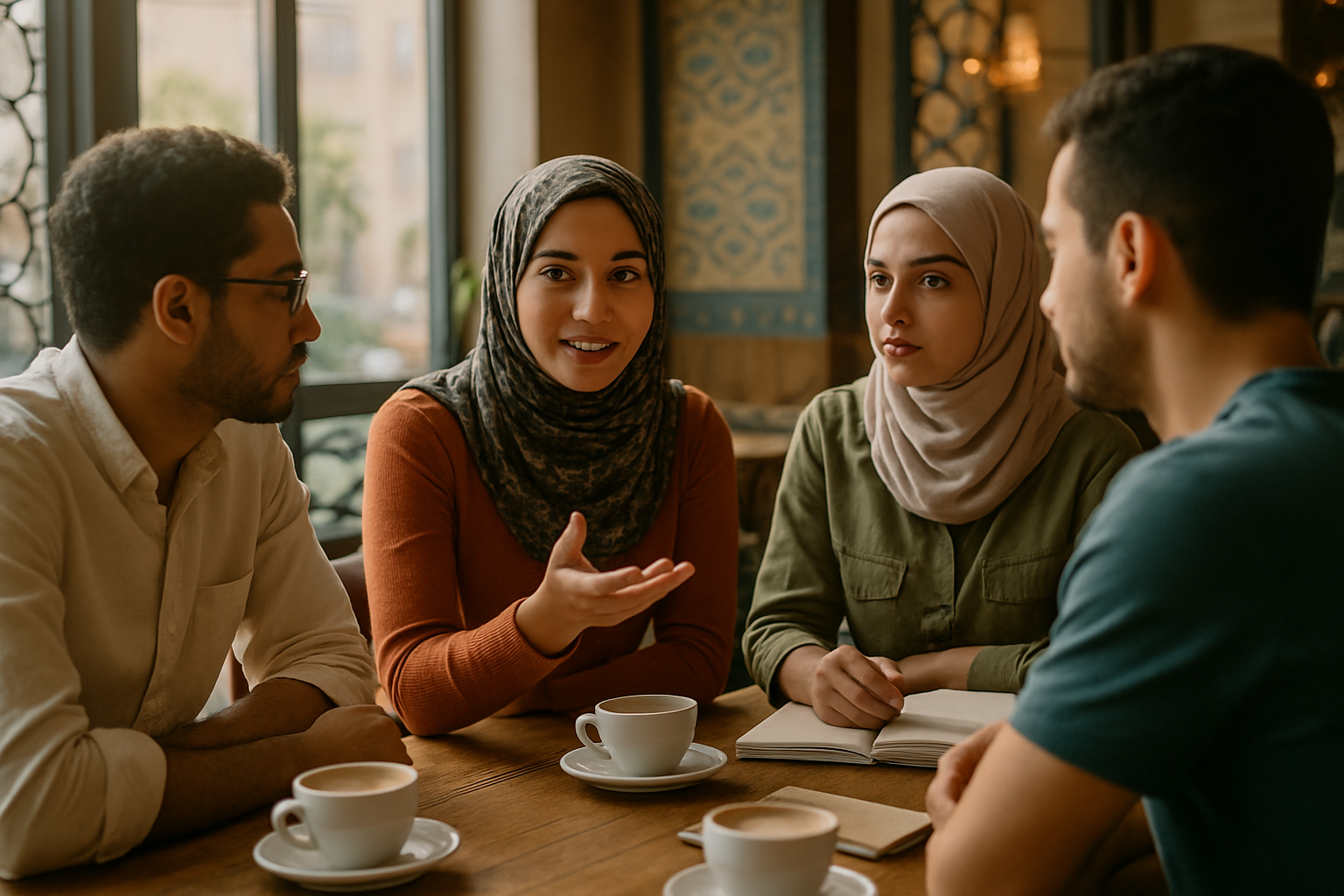
In the bustling cafés of Cairo, a quiet revolution is taking place as young Egyptians increasingly pepper their conversations with terms like "triggering," "toxic behavior," and "setting boundaries" – words that once belonged exclusively to therapists' offices but now flow naturally in everyday discourse among Egypt's educated youth.
This linguistic shift represents far more than trendy vocabulary adoption. It signals a fundamental transformation in how young people in Egypt's higher- and upper-middle-class circles conceptualize and communicate about emotional experiences, relationships, and personal struggles. The phenomenon places Egypt at the forefront of what mental health professionals worldwide are calling the "Therapeutic Revolution of 2026."
From Therapy Rooms to Social Media Feeds
The transformation didn't begin in clinical settings but rather in the digital realm. On platforms like TikTok and Instagram, complex emotional experiences are increasingly distilled into quick, accessible explanations. A strained friendship becomes a lesson about establishing healthy boundaries. A difficult relationship with parents gets reframed through the lens of emotional unavailability. Romantic breakups are analyzed through attachment theory terminology.
Egyptian university student Nadia Ahmed, 22, reflects this trend: "When my friend constantly cancels our plans at the last minute, I don't just say I'm upset anymore. I explain that her behavior feels disrespectful of my time and energy – that she's not respecting the boundaries I've communicated."
This shift toward therapeutic language isn't isolated to Egypt. According to comprehensive analysis from mental health researchers globally, 96% of young people aged 10-15 use social media regularly, with 70% exposed to content that includes psychological terminology and concepts previously confined to professional therapeutic contexts.
The Double-Edged Nature of Popular Psychology
While this democratization of mental health vocabulary can destigmatize psychological concepts and encourage emotional awareness, it also presents significant risks. Mental health professionals in Cairo express concern about the oversimplification of complex psychological processes.
Dr. Amira Hassan, a clinical psychologist at Cairo University, warns: "When therapeutic terms become casual conversation tools, there's a risk of pathologizing normal relationship dynamics. Not every disagreement involves 'toxic behavior,' and not every emotional response is 'trauma.'"
"The language of therapy has given young people permission to examine their relationships and emotional patterns more closely, but it's also created a framework where every interpersonal challenge gets filtered through psychological terminology."
— Dr. Amira Hassan, Clinical Psychologist
This phenomenon aligns with what researchers globally have identified as the "wellness paradox" – where constant self-improvement and psychological analysis can create anxiety rather than relief. The pressure to constantly evaluate relationships and personal responses through therapeutic frameworks can paradoxically increase psychological distress.
Cultural Context and Generational Shifts
In Egypt's context, this trend represents a dramatic departure from traditional approaches to emotional expression and relationship management. Historically, family and community elders provided guidance for interpersonal conflicts, with religious and cultural frameworks offering structure for understanding personal challenges.
The adoption of therapeutic vocabulary among young Egyptians reflects broader generational changes in how authority, expertise, and emotional truth are understood. Rather than seeking guidance from traditional sources, many young people are turning to online content creators, pop psychology, and peer discussions informed by therapeutic concepts.
Professor Mahmoud El-Rifai, a sociologist at the American University in Cairo, observes: "This represents a significant cultural shift. Young people are creating new vocabularies for emotional experience that may not always align with traditional Egyptian approaches to family relationships and social harmony."
Global Context: The Therapeutic Revolution of 2026
Egypt's experience is part of a broader international transformation in mental health awareness. Across the globe, 2026 has been marked by unprecedented shifts from crisis-response mental healthcare to prevention-first approaches that emphasize early intervention and community engagement.
From Montana's mobile crisis teams achieving an 80% reduction in police mental health calls to Finland's educational reforms balancing academic achievement with psychological wellbeing, countries worldwide are reconceptualizing mental health as community infrastructure rather than individual crisis management.
In this context, Egypt's youth adoption of therapeutic language can be understood as part of a generation seeking tools to navigate increasingly complex social and emotional landscapes. The global mental health crisis – with youth depression and anxiety rates reaching unprecedented levels – has created demand for accessible frameworks for understanding psychological experience.
The Social Media Amplification Effect
The proliferation of therapeutic vocabulary among Egyptian youth is inseparable from social media's role in shaping contemporary discourse. Platforms designed for maximum engagement often reduce complex psychological concepts to shareable soundbites, creating what experts call "algorithmic therapy."
Research from the University of Macau demonstrates that short-form video content consumption negatively impacts cognitive development, potentially creating cycles where young people seek increasingly simplified explanations for complex emotional experiences. This creates a feedback loop where therapeutic terminology becomes both a solution to and symptom of digital-age psychological challenges.
Egyptian digital wellness advocate Yasmin Farouk notes: "Young people are using therapy-speak to make sense of feelings that previous generations might have processed through different cultural and social frameworks. But there's a risk that this vocabulary becomes a substitute for deeper emotional processing rather than a gateway to it."
Professional Perspectives and Clinical Implications
Mental health professionals in Egypt report both opportunities and challenges arising from this linguistic shift. On the positive side, young people entering therapy often arrive with basic familiarity with psychological concepts, potentially accelerating therapeutic processes.
However, clinicians also note that pop psychology terminology can sometimes obscure rather than illuminate underlying emotional patterns. Dr. Hassan explains: "When clients arrive already categorizing their experiences using therapeutic language they've learned online, we sometimes need to deconstruct those frameworks before we can understand what's actually happening emotionally."
"The challenge isn't that young people are using psychological vocabulary – it's that they're often using it with incomplete understanding of what these concepts actually mean in clinical contexts."
— Dr. Sarah Mahmoud, Psychiatrist at Qasr Al-Ainy Hospital
Economic and Educational Implications
The rise of therapeutic vocabulary among Egyptian youth also reflects broader socioeconomic factors. Access to mental health terminology often correlates with educational privilege, internet access, and exposure to Western psychological frameworks. This creates potential disparities in emotional literacy between different social classes.
Universities across Egypt are responding by integrating mental health awareness into curricula, following successful international models. The approach aligns with prevention-first healthcare strategies that demonstrate superior cost-effectiveness compared to traditional crisis-intervention models.
Countries implementing comprehensive prevention programs report improved community resilience, reduced social service demands, and better long-term population health outcomes – benefits that justify initial investments in mental health education and awareness.
Balancing Accessibility with Accuracy
The challenge for Egypt's mental health community lies in harnessing the positive aspects of increased psychological awareness while addressing the risks of oversimplification. Some clinicians are developing programs that build on young people's existing therapeutic vocabulary while providing deeper, more nuanced understanding.
The American University in Cairo recently launched a "Psychological Literacy" program that teaches students to distinguish between casual use of therapeutic terms and their clinical applications. Similar initiatives across Egypt aim to bridge the gap between pop psychology and professional mental health care.
Future Implications and Cultural Evolution
As Egypt continues to navigate this cultural transformation, the long-term implications remain significant. The integration of therapeutic vocabulary into everyday discourse may represent a fundamental shift in how emotional intelligence is cultivated and expressed in Egyptian society.
This evolution occurs within the broader context of Egypt's healthcare modernization efforts, including initiatives like the National Stroke Network with 175 specialized units and partnerships with international medical organizations. Mental health awareness represents another dimension of Egypt's commitment to comprehensive healthcare advancement.
The success of this cultural shift will largely depend on whether institutions can provide the educational infrastructure necessary to support meaningful psychological literacy. This includes training programs for educators, accessible mental health services, and community-based support systems that honor both traditional wisdom and contemporary psychological understanding.
A Generation in Transition
Ultimately, the rise of therapeutic vocabulary among Egyptian youth represents a generation actively seeking tools to understand and navigate their emotional experiences. While the casual use of clinical terminology presents challenges, it also demonstrates unprecedented openness to psychological concepts and emotional self-awareness.
As Egypt continues to modernize its approach to mental health care, the experiences of these young people – who are pioneering new ways of discussing emotional life – will likely shape the country's broader cultural relationship with psychological wellbeing for generations to come.
The phenomenon places Egypt at a fascinating intersection of traditional cultural values and contemporary psychological awareness, creating opportunities for unique contributions to the global conversation about mental health, emotional intelligence, and the role of therapeutic concepts in everyday life.