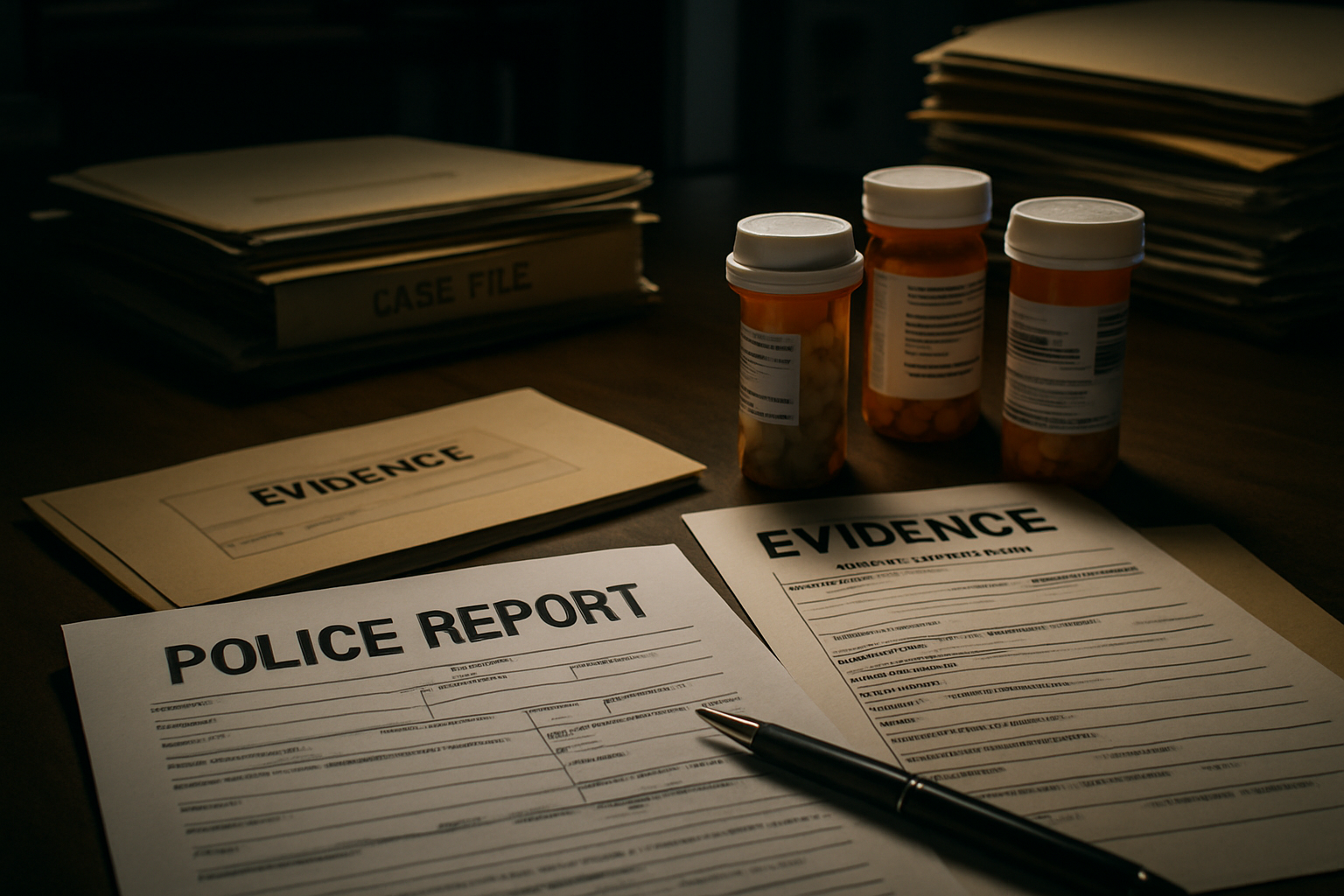
Prosecutors investigating Tiger Woods' DUI arrest in Florida are taking aggressive legal action to obtain the golf legend's prescription drug records from pharmacies, marking a significant escalation in the case against the 15-time major champion just one week after his vehicle crashed in Jupiter.
The move to subpoena Woods' pharmaceutical records comes after the 50-year-old golfer pleaded not guilty to driving under the influence charges following a dramatic single-vehicle rollover crash that has thrust him into the most serious legal crisis of his career. The investigation represents prosecutors' determination to build a comprehensive case involving prescription drug impairment rather than alcohol consumption.
Legal Escalation and Not Guilty Plea
Woods entered his not guilty plea last week after being formally charged with DUI following the March 27 crash on Jupiter Island that left his Land Rover overturned and raised immediate questions about his condition at the time of the incident. The prescription drug records subpoena signals prosecutors believe pharmaceutical evidence will be crucial to their case against the golf superstar.
According to legal experts familiar with Florida DUI prosecutions, pharmacy records can provide prosecutors with detailed information about prescription medications that could impair driving ability, including timing of prescriptions, dosages, and frequency of refills. Such evidence has become increasingly important in cases where alcohol is not a factor but prescription drug impairment is suspected.
The case has taken on added complexity due to Woods' documented history of prescription drug issues and previous encounters with law enforcement. This marks his second DUI-related arrest in the same Jupiter area, following a 2017 incident that resulted in a guilty plea to reckless driving.
Bodycam Footage Reveals Mysterious Presidential Phone Call
Previously released body camera footage from the Martin County Sheriff's Office revealed a puzzling detail that continues to generate speculation: immediately after the crash, Woods told a police deputy "I was just talking to the president" before hanging up a phone call as officers approached his overturned vehicle.
The nature and content of this alleged presidential communication were not captured on video, and it remains unclear whether Woods was referring to President Donald Trump, whose former daughter-in-law Vanessa Trump has been linked to Woods in media reports. The timing and context of the call have added an additional layer of intrigue to an already high-profile case.
In the footage, Woods explained the crash by saying "I looked down at my phone, and all of a sudden – boom," suggesting distracted driving may have been a contributing factor. Police documented bloodshot and glassy eyes, dilated pupils, slow movements, and profuse sweating, classic signs of impairment.
Prescription Drug Evidence and Pattern Concerns
Officers found Woods in possession of two hydrocodone pills at the time of arrest, and he admitted to taking prescribed medication that morning. While he passed a breathalyzer test indicating no alcohol consumption, Woods refused to submit to a urine test that could have detected prescription drugs in his system.
The pharmacy records subpoena suggests prosecutors are building a case around prescription drug impairment, which can be more challenging to prove than alcohol-related DUI but carries similar legal penalties under Florida law. Woods' well-documented struggles with prescription pain medication, stemming from multiple back surgeries and other golf-related injuries, make such records potentially damaging evidence.
Legal analysts note that prescription drug DUI cases often hinge on establishing that the defendant knew or should have known that their medication could impair their driving ability. Pharmacy records could help prosecutors establish patterns of medication use and potentially show whether Woods had been warned about driving risks.
Career and Legal Implications
The escalating legal situation comes at a critical juncture for Woods, who has not competed since July 2024 and missed the entire 2025 season due to injuries including a March Achilles rupture and October back surgery. At age 50, this represents his second consecutive absence from the Masters Tournament, effectively ending his opportunities to add to his major championship total.
Enhanced Florida penalties for repeat DUI offenses include extended license suspension periods, mandatory substance abuse education programs, and possible jail time. Woods announced his intention to enter voluntary treatment, which legal experts say typically produces better outcomes than court-mandated programs but may not prevent prosecution.
The PGA Tour faces the loss of its biggest television draw during a crucial period of media negotiations, while Woods' corporate sponsors are evaluating their relationships with the embattled superstar. Previous sponsors have historically stood by Woods during personal crises, but legal convictions present different challenges than personal scandals.
Precedent-Setting Case for Athlete Accountability
The Woods case highlights broader issues surrounding prescription drug dependency patterns among elite athletes managing chronic pain from career-related injuries. Traditional legal approaches may prove inadequately equipped to address the complex intersection of medical necessity, performance pressure, and substance dependency that characterizes many professional sports careers.
Legal experts suggest the case could serve as a template for similar high-profile athlete prosecutions involving prescription drug dependency, particularly as sports medicine becomes increasingly sophisticated in managing pain through pharmaceutical interventions.
The visual evidence provided by body camera footage creates additional public relations challenges beyond the legal proceedings, offering unprecedented insight into Woods' arrest reaction versus traditional written police reports. The footage's public release demonstrates law enforcement transparency in cases involving public figures while raising questions about privacy rights.
Ongoing Investigation and Next Steps
The State Attorney's Office continues reviewing evidence for potential additional charges, with a bond hearing expected within the coming weeks. Federal involvement remains possible given the interstate nature of Woods' activities and potential jurisdictional questions surrounding his residence and the incident location.
Woods' legal team faces the challenge of defending against prescription drug impairment charges while managing the public relations fallout from the dramatic footage and mysterious presidential phone call revelation. The voluntary treatment announcement represents a positive step toward addressing underlying issues, though the timeline for any return to professional golf remains indefinite.
As prosecutors move forward with their comprehensive investigation, including the pharmaceutical records subpoena, the case continues to test whether golf's biggest star can overcome the most significant personal and professional challenge of his career. The outcome will likely influence how similar cases involving high-profile athletes and prescription drug dependency are handled in the future.