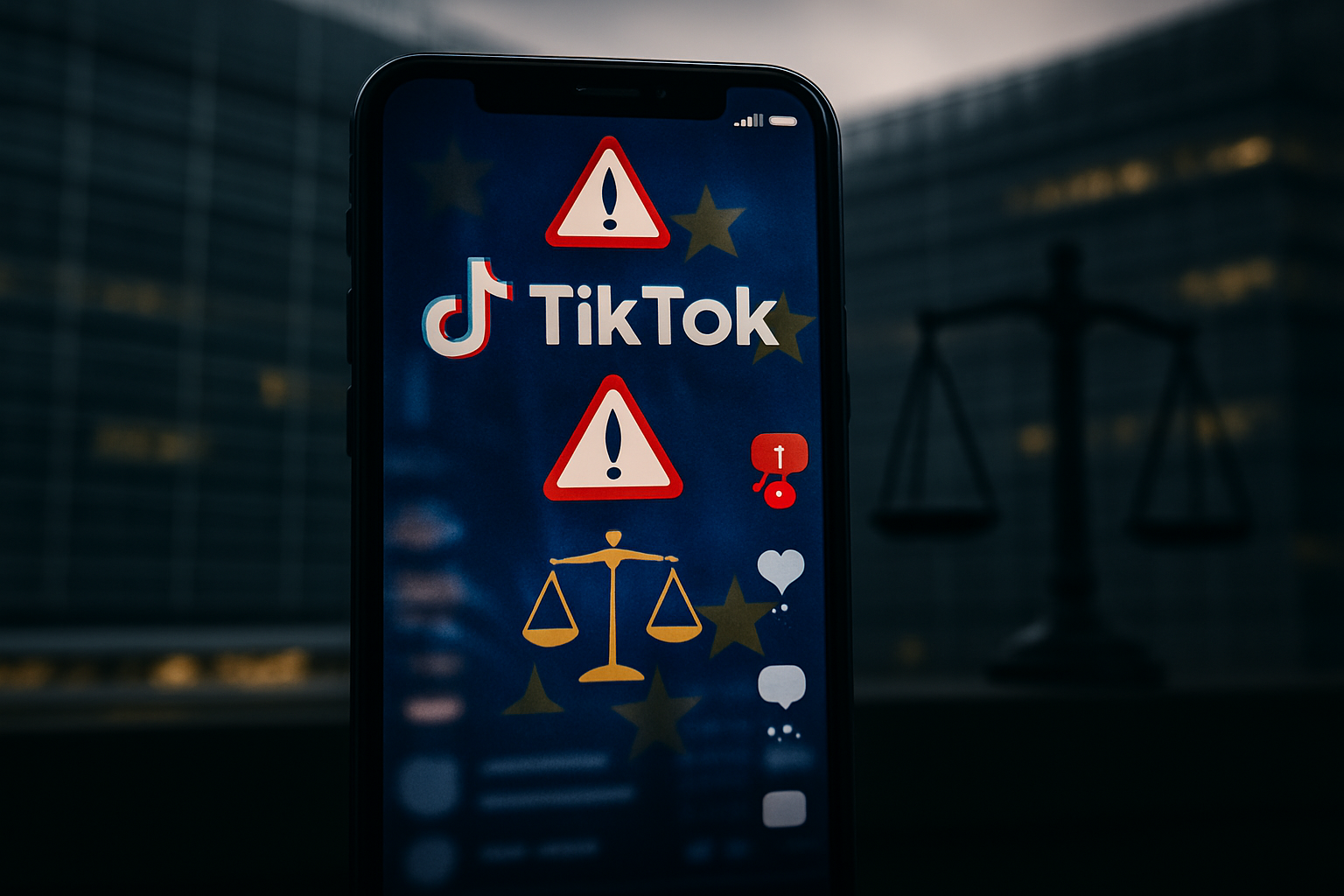
The European Commission announced Friday that preliminary findings from a two-year investigation have determined TikTok is in breach of the EU's Digital Services Act due to its "addictive design" features, marking a significant escalation in the bloc's regulatory crackdown on major social media platforms.
The investigation, which began in early 2024, specifically targets features that create addictive user experiences, including unlimited scrolling, automatic video playback, and personalized recommendation systems that officials argue pose particular risks to children and adolescents. The findings come as part of Europe's broader push to regulate digital platforms amid growing concerns about their impact on mental health and democratic processes.
Specific Features Under Scrutiny
European regulators have identified several core TikTok design elements they claim violate user protection standards. The investigation focuses on what officials describe as the platform's "rabbit hole effect" - the seamless, endless stream of content that keeps users engaged for extended periods.
According to French media reports, the specific features in question include infinite scrolling capabilities that allow users to browse content indefinitely, automatic video playback that begins without user initiation, and repeated push notifications designed to draw users back to the platform. Romanian sources confirm these mechanisms can significantly impact user wellbeing, particularly among minors who may be more susceptible to addictive digital behaviors.
German regulatory authorities have described the platform's design as deliberately creating dependency through sophisticated psychological triggers. The continuous content feed, where "video follows video" in an endless sequence, represents what officials characterize as manipulative design intended to maximize user engagement time rather than user welfare.
TikTok's Categorical Denial
ByteDance's TikTok has strongly rejected the European Commission's preliminary conclusions, with company representatives calling the findings "categorically false" and promising to challenge the investigation's results. The platform maintains that its design features serve legitimate user experience purposes and comply with all applicable regulations.
"We categorically reject these preliminary findings and will contest them vigorously through all available legal channels."
— TikTok Spokesperson
Lithuanian reports indicate TikTok has pledged to dispute the European Commission's conclusions through formal legal proceedings, characterizing the investigation as fundamentally flawed. The company argues that features like personalized recommendations and seamless content delivery represent standard industry practices designed to enhance user satisfaction rather than create harmful dependencies.
Regulatory Framework and Potential Penalties
The investigation operates under the EU's Digital Services Act, which entered force in 2022 and established comprehensive obligations for large online platforms. The legislation specifically requires platforms with more than 45 million European users to implement measures protecting users from harmful content and addictive design patterns.
If the preliminary findings are confirmed following TikTok's expected response period, the company could face substantial financial penalties. Under DSA provisions, fines can reach up to 6% of global annual revenue - potentially billions of euros for a platform of TikTok's scale and reach.
Swiss media sources indicate the regulatory framework represents the EU's most ambitious attempt to govern digital platform behavior, with enforcement mechanisms designed to ensure genuine compliance rather than superficial adjustments. The legislation empowers European authorities to demand specific design changes, operational modifications, and transparency measures.
Child Safety at the Center
European officials have emphasized that protecting children represents the investigation's primary motivation. Commission statements highlight particular concerns about how algorithmic recommendation systems and addictive design features impact developing minds and behavioral patterns among young users.
The investigation reflects broader European concerns about social media's impact on child development, mental health, and academic performance. Recent studies across EU member states have documented correlations between excessive social media use and various negative outcomes, including sleep disruption, attention difficulties, and social comparison behaviors.
Norwegian authorities have described the findings as "alarming" and called for immediate design modifications to protect vulnerable user populations. The regulatory response aligns with a broader European movement toward stricter age verification requirements and enhanced protections for minors in digital environments.
Context of Broader EU Tech Regulation
The TikTok investigation occurs within a rapidly evolving European regulatory landscape targeting major technology platforms. Recent developments include comprehensive social media age restrictions being implemented across multiple EU member states, with Spain leading efforts to ban social media access for users under 16 through criminal executive liability frameworks.
Concurrently, French authorities have launched criminal investigations into other major platforms, including raids on X's Paris offices over concerns about AI-generated harmful content. The coordinated European response suggests a fundamental shift from industry self-regulation toward government enforcement with meaningful legal consequences.
EU sources indicate the TikTok case will serve as a critical test for the Digital Services Act's effectiveness and the bloc's ability to enforce meaningful behavioral changes among global technology companies. Success could establish precedents for similar regulatory actions against other platforms employing comparable design strategies.
Industry-Wide Implications
The Commission's action against TikTok signals broader implications for social media platform design across the industry. Features like infinite scroll, autoplay functionality, and algorithmic content curation - now standard across major platforms - may face increased regulatory scrutiny if the TikTok precedent is established.
Technology industry observers suggest the case could force fundamental reconsiderations of how social media platforms balance user engagement with user wellbeing. Traditional metrics focused solely on user time and interaction rates may need to incorporate measures of user welfare and healthy usage patterns.
Danish reports indicate the investigation has already prompted some platforms to preemptively review their own design choices and user protection measures, suggesting the regulatory threat is encouraging industry-wide self-examination even before formal conclusions are reached.
Timeline and Next Steps
TikTok now has the opportunity to respond to the preliminary findings before the European Commission reaches final conclusions. This response period typically allows companies to provide additional information, contest specific allegations, and propose remedial measures that might address regulatory concerns.
If the Commission maintains its position following TikTok's response, formal proceedings could result in legally binding obligations requiring specific platform modifications. The company would retain rights to challenge any final decision through European courts, potentially extending the resolution timeline significantly.
European officials suggest the case timeline will likely extend into 2027, considering the complexity of technical assessments, legal proceedings, and potential appeals. However, the Commission may demand interim measures if it determines current platform operations pose immediate risks to user welfare.
Global Regulatory Precedent
The European action against TikTok represents the most significant regulatory challenge to social media design practices globally. Other jurisdictions, including several European countries implementing their own social media restrictions, are closely monitoring the case's development for potential policy implications.
The investigation's outcome could influence regulatory approaches worldwide, particularly as governments grapple with balancing technological innovation against user protection concerns. Success in forcing meaningful design changes could encourage similar regulatory initiatives across other democratic jurisdictions facing comparable challenges.
Slovakia and Hungary sources indicate the case demonstrates European determination to assert regulatory sovereignty over global technology platforms, regardless of their geographic origins or previous market dominance. The approach represents a fundamental challenge to the traditional model of technology self-regulation that has governed the industry for decades.