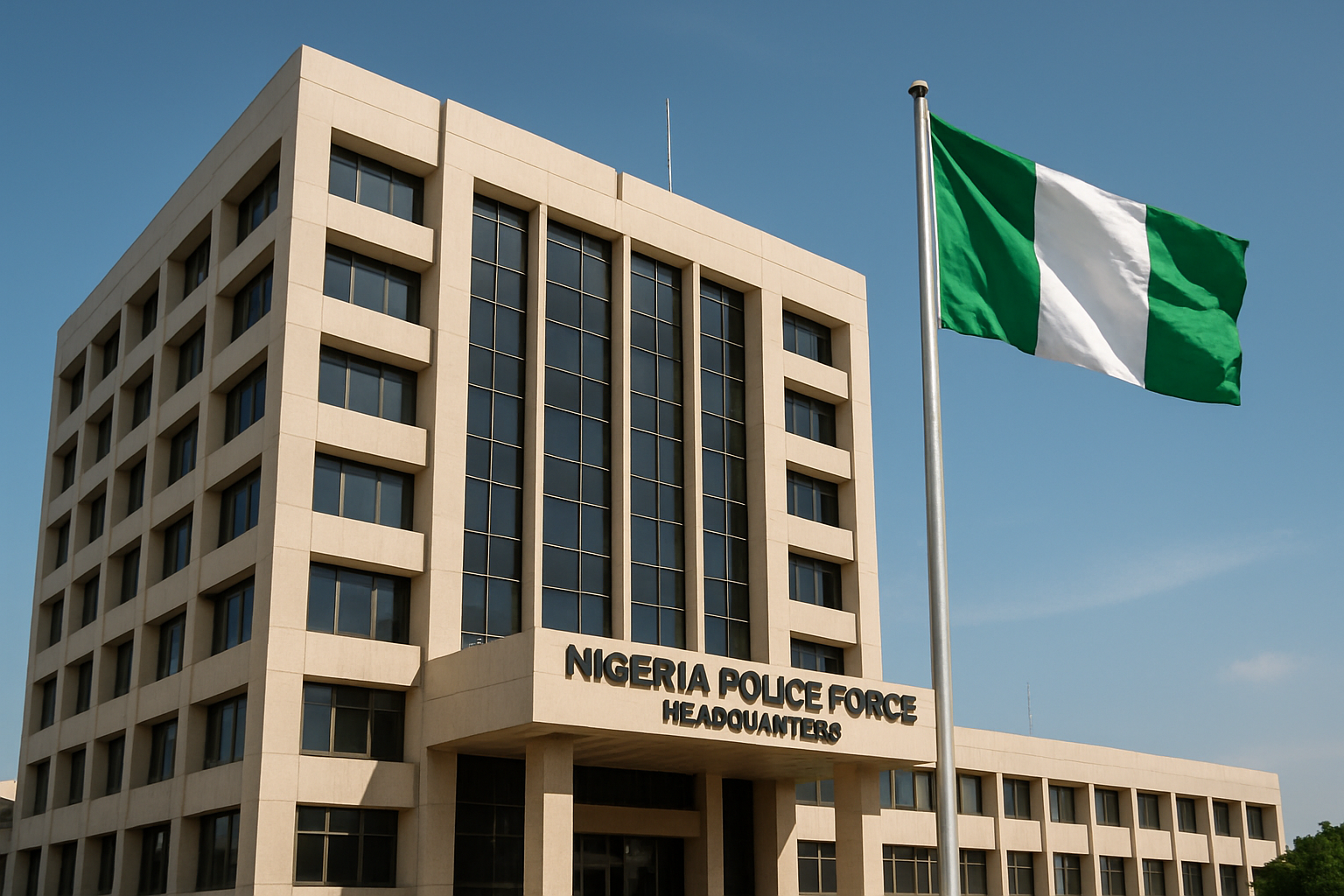
President Bola Ahmed Tinubu has removed Inspector General of Police Kayode Egbetokun from his position and appointed Deputy Inspector General Tunji Disu as acting IGP, marking a significant leadership shake-up in Nigeria's police force amid escalating security challenges across the country.
The Presidency confirmed Egbetokun's departure on Tuesday, February 24, 2026, with Special Adviser on Information and Strategy Bayo Onanuga stating that "President Tinubu received Mr Egbetokun's resignation earlier today and expressed his profound appreciation for Egbetokun's decades of distinguished service to the Nigeria Police Force and the nation."
Egbetokun, who was appointed as the 22nd Inspector General of Police by President Tinubu on June 19, 2023, served for approximately 19 months in the position. His tenure was marked by persistent security challenges, including terrorist attacks, kidnapping incidents, and widespread banditry that have plagued multiple regions of Africa's most populous nation.
Disu Takes Acting Role Pending Senate Confirmation
Deputy Inspector General Tunji Disu has been appointed to serve in an acting capacity as the new police chief, pending formal approval by the Nigerian Senate. Disu brings extensive experience in law enforcement, having served in various senior positions within the Nigeria Police Force.
The appointment comes at a critical time for Nigeria's security apparatus, as the country grapples with multiple security threats ranging from terrorism in the northeast to banditry in the northwest and separatist agitations in the southeast.
Major Police Restructuring Looms
According to sources within the police hierarchy, Egbetokun's removal is expected to trigger a comprehensive restructuring of the force's senior leadership. Reports indicate that as many as 29 senior police officers are set to be removed from their positions as part of the broader shake-up.
The restructuring signals President Tinubu's apparent dissatisfaction with the current approach to addressing Nigeria's security challenges and suggests a shift in strategy for combating the country's multi-faceted security crisis.
"This represents a significant moment for the Nigeria Police Force and our national security architecture. The new leadership must demonstrate renewed commitment to protecting Nigerian lives and property."
— Security Analyst, commenting on the leadership change
Context of Mounting Security Challenges
Egbetokun's departure occurs against the backdrop of Nigeria's deteriorating security situation. Recent months have witnessed devastating terrorist attacks, including the February 2026 Kwara State massacre that claimed over 160 lives, and persistent kidnapping incidents that have terrorized communities across multiple states.
The country has also faced challenges with illegal mining activities that have resulted in confrontations between security forces and criminal elements, as well as ongoing issues with cattle rustling and farmer-herder conflicts that have claimed thousands of lives.
Under Egbetokun's leadership, the police force implemented various operations aimed at addressing these security challenges, but critics argued that the response was inadequate given the scale and complexity of the threats facing the nation.
Police Headquarters Reaction
Sources within the Nigeria Police Force headquarters in Abuja reported mixed reactions to the leadership change. While some officers expressed concern about another period of transition and uncertainty, others welcomed the opportunity for fresh approaches to tackling the country's security challenges.
The force has experienced significant leadership instability in recent years, with multiple IGPs serving relatively short tenures as successive administrations have sought to address Nigeria's complex security landscape.
International and Domestic Implications
Nigeria's security challenges have attracted international attention, with neighboring countries and global partners expressing concern about the spillover effects of insecurity in Africa's largest economy. The leadership change in the police force will be closely monitored by international observers and security partners.
Domestically, opposition parties and civil society groups have called for comprehensive security sector reform, arguing that personnel changes alone will not address the systemic issues that have plagued Nigeria's security apparatus.
Looking Ahead
As Acting IGP Disu prepares to assume full leadership responsibilities pending Senate confirmation, he faces the daunting task of reforming the force's approach to Nigeria's security challenges. His immediate priorities will likely include addressing the ongoing terrorist threats, improving intelligence gathering capabilities, and restoring public confidence in the police force.
The success of this leadership transition will be measured by the force's ability to more effectively combat the various security threats facing Nigeria and protect the lives and property of its over 200 million citizens.
President Tinubu's decision to change the police leadership reflects his administration's commitment to finding more effective solutions to Nigeria's security crisis, though the ultimate test will be whether this change translates into improved security outcomes for Nigerian citizens across all regions of the country.