Tottenham Hotspur's relegation nightmare shows no signs of ending as Roberto De Zerbi's appointment has failed to halt their devastating slide toward what would be their first relegation from the Premier League in 49 years.
The North London club suffered another crushing defeat at Sunderland, losing 1-0 in what marked De Zerbi's debut as manager. The result leaves Spurs firmly entrenched in the relegation zone, making them the first "Big Six" club to face such a predicament while simultaneously competing in the Champions League Round of 16 – a scenario unprecedented in modern football.
De Zerbi's Debut Brings Little Hope
Despite showing promise and intent during his first match in charge, Italian manager Roberto De Zerbi could not deliver the immediate results desperately needed. The defeat at Sunderland demonstrated the magnitude of the task facing the former Brighton manager, who inherited a demoralized squad just one point above the relegation zone.
According to Norwegian media sources, the situation has become so dire that experts are now openly predicting Tottenham's relegation – something that would have been unthinkable just months ago for a club that has been a mainstay in European competition.
Captain Under Fire for Emotional Response
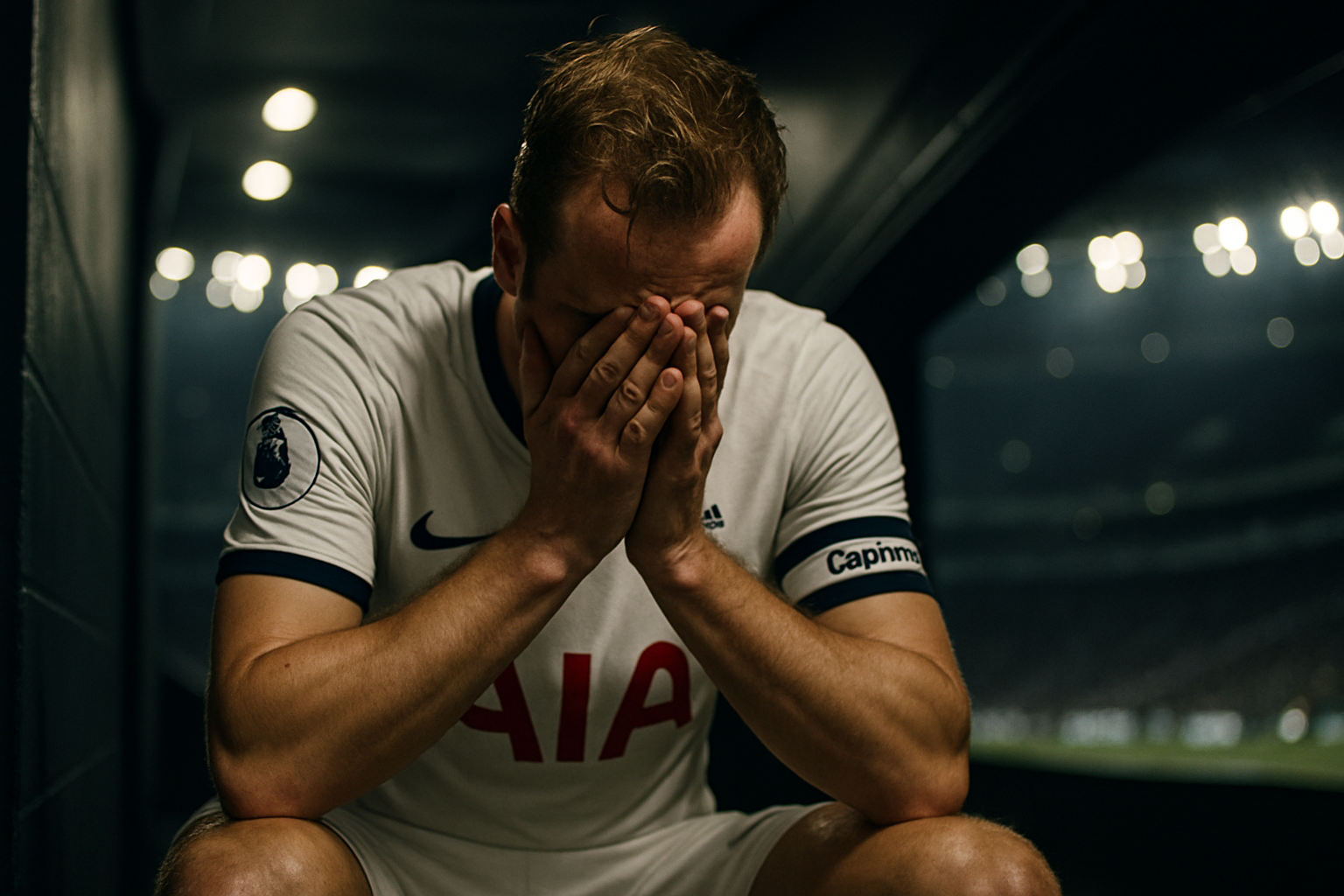
Adding to the club's woes, Tottenham's captain has come under criticism from Norwegian media for displaying visible emotion following the latest defeat. Sources suggest that showing tears and distress sends "wrong signals" to both teammates and supporters during this critical period.
The criticism highlights the immense pressure facing the squad's leadership as they struggle to lift a team that appears to be in freefall. With only a handful of Premier League matches remaining in the season, every emotional response is being scrutinized as the club faces its darkest hour in recent memory.
Historic Precedent Being Set
Should Tottenham's relegation battle end in failure, it would mark the first time in the Premier League era that a club competing in the Champions League knockout stages has been relegated from England's top flight. The psychological impact of fighting for Premier League survival while preparing for European matches against elite opposition represents an unprecedented challenge in modern football.
The crisis has been building throughout the season, with the club having already dismissed Thomas Frank in February after an eight-month tenure that saw £168.4 million spent with little to show for it. Igor Tudor's subsequent 44-day appointment ended in failure, leaving De Zerbi as the third manager to attempt rescue in less than 12 months.
"The mentality must change to avoid the drop"
— Roberto De Zerbi, Tottenham Manager
Financial and Structural Implications
The potential relegation carries staggering financial implications for Tottenham, with estimates suggesting the club could lose between £100-120 million in revenue. This comes on top of the £15+ million already spent on managerial compensation over the past year, highlighting the reactive rather than strategic nature of the club's crisis management.
Norwegian experts have pointed to fundamental structural issues within the club that extend far beyond tactical problems on the pitch. The constant managerial changes have created instability that appears to have affected player confidence and team chemistry at the worst possible time.
Nottingham Forest Benefit from Spurs' Struggles
While Tottenham continues to struggle, other teams fighting relegation have managed to find form at crucial moments. Nottingham Forest has particularly benefited from Spurs' poor run, with their improved results helping to create the gap that has left Tottenham isolated at the bottom of the table.
The contrast between the clubs' recent trajectories serves as a stark reminder of how quickly fortunes can change in the Premier League, where momentum and confidence often prove as important as tactical preparation and player quality.
European Competition Adds Pressure
Perhaps most remarkably, Tottenham must continue to prepare for Champions League fixtures while fighting for Premier League survival. This dual challenge presents unique logistical and psychological pressures that no previous club has had to navigate.
The situation raises questions about squad rotation, player motivation, and resource allocation that De Zerbi must address while working with limited time to implement his tactical vision. With the transfer window closed, the Italian manager must work with the players he has inherited to somehow arrest this dramatic decline.
Crisis Atmosphere at the Club
Sources close to the club describe an atmosphere of crisis that permeates every aspect of Tottenham's operations. The criticism of the captain's emotional display reflects the intense scrutiny that every action and reaction now faces, with supporters and media analyzing every gesture for signs of hope or despair.
De Zerbi's comments about needing to change the mentality suggest he recognizes that the problems extend beyond tactics to fundamental psychological barriers that must be overcome if the club is to avoid the unthinkable.
Time Running Out
With each passing week, Tottenham's margin for error continues to shrink. The club that once competed regularly in Champions League knockout rounds now finds itself in the unfamiliar position of scrapping for every point to avoid relegation to the Championship.
The failure to build on De Zerbi's appointment with an immediate victory at Sunderland sends a worrying signal that even a change in management may not be sufficient to reverse the club's fortunes. For a fanbase accustomed to European nights and Premier League stability, the current reality represents a nightmare scenario that grows more real with each disappointing result.
As the season enters its final phase, Tottenham faces the very real prospect of becoming the first "Big Six" club relegated from the Premier League – a fall from grace that would reverberate throughout English football and serve as a cautionary tale about how quickly sporting fortunes can change.