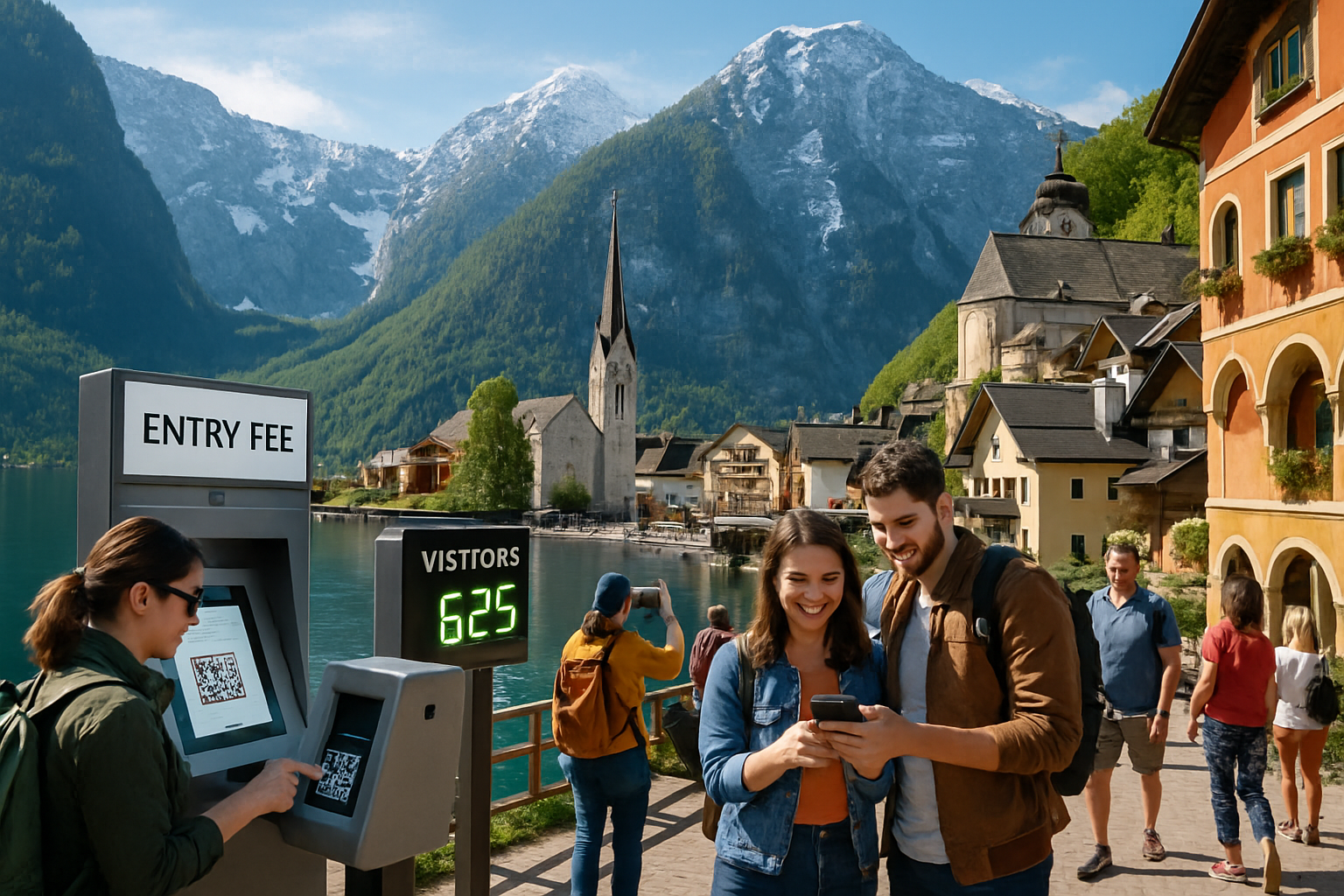
The European tourism industry is undergoing a fundamental transformation as destinations embrace year-round strategies to combat overtourism while extending economic benefits beyond traditional peak seasons. Austria reports that 28.1% of all overnight stays now occur during spring and autumn, marking a significant shift toward becoming a true ganzjahresdestination (year-round destination), while Venice has expanded its pioneering entry fee system to 60 days in 2026.
This strategic evolution represents a sophisticated response to the dual challenges of overtourism management and economic sustainability that have emerged as defining issues for European destinations in the post-pandemic era. The data from Austria demonstrates remarkable success in redistributing visitor flows, with nearly one-third of travelers now choosing to visit during traditionally quieter spring and autumn months rather than the congested summer peak season.
Austria's Year-Round Tourism Success
Austria's achievement of attracting 28.1% of visitors during shoulder seasons represents a strategic triumph in destination management that other European countries are closely monitoring. This redistribution of tourist flows addresses multiple critical objectives: reducing infrastructure strain during peak periods, extending employment opportunities throughout the year, and enhancing visitor experiences by avoiding overcrowded conditions.
The success builds on Austria's comprehensive approach to seasonal tourism development, including winter hiking route expansion prioritizing safety and natural experiences, infrastructure improvements that function effectively across all seasons, and marketing strategies that highlight the unique appeal of shoulder-season visits. Spring visitors can experience Alpine wildflower blooms without summer crowds, while autumn travelers enjoy harvest festivals and stunning foliage displays.
This transformation aligns with broader industry trends documented across European destinations, where quality-focused strategies are replacing volume-based approaches. Austria's model demonstrates how strategic infrastructure investment and marketing can fundamentally alter visitor patterns while maintaining economic viability.
Venice Expands Entry Fee Innovation
Venice has significantly expanded its groundbreaking entry fee system for 2026, extending the requirement to 60 days between April 3 and July 26, compared to 54 days in 2025 and just 29 days during the pilot phase in 2024. The online portal at www.cda.ve.it has been activated, allowing visitors to book and pay the access fee in advance.
This expansion represents the maturation of what many consider the most innovative overtourism management strategy implemented by any major European destination. The system has generated approximately €6 million annually while successfully managing visitor flows during the most congested periods, providing a sustainable financing mechanism for heritage preservation and infrastructure maintenance.
Venice's approach has become a template studied by destinations worldwide, from Rome's Trevi Fountain €2 entry system to Capri's tour group limitations. The success demonstrates how thoughtful visitor management can balance economic objectives with community well-being and cultural preservation.
Industry-Wide Transformation Patterns
These developments occur within the context of unprecedented global tourism recovery, with the industry surpassing pre-pandemic levels supported by over $570 billion in infrastructure investment. The transformation is characterized by several key trends that extend far beyond Austria and Venice.
Croatia has developed 62 tourist medical clinics for the 2026 season, representing Europe's most extensive seasonal healthcare network and addressing growing international visitor demand while incorporating pandemic-era lessons about accessible medical services. Cyprus achieved record performance with 4.5 million visitors generating €3.6 billion revenue through market diversification and enhanced visitor experiences.
Technology integration has become essential, with AI-integrated travel planning tools enabling authentic cultural discovery while managing visitor flows effectively. Generation Z travelers, representing 50% of those making multiple annual trips over five days, are driving demand for sustainable options combined with authentic experiences.
Regional Cooperation and Innovation
The success of year-round destination strategies increasingly depends on regional cooperation rather than individual competition. Austria's European Marathon Classics series showcases eight iconic marathons across Europe, representing collaborative tourism development that creates multi-destination experiences while distributing economic benefits more broadly.
This cooperative approach extends to infrastructure sharing, best practices exchange, and coordinated marketing efforts that enhance the competitiveness of European tourism as a whole. The Caribbean has demonstrated similar success through cruise coordination, while Asian markets continue leading global recovery through strategic partnerships and connectivity improvements.
Portugal's innovative "O Turismo acolhe" project, which connects tourism accommodations with storm-displaced people, demonstrates how tourism infrastructure can serve broader community resilience functions beyond traditional hospitality services.
Economic Multiplier Effects
The economic benefits of year-round tourism strategies extend far beyond direct visitor spending. Austria's success in attracting shoulder-season visitors creates year-round employment opportunities in hospitality, transportation, retail, and cultural services, reducing the economic vulnerability associated with seasonal employment patterns.
Venice's entry fee system not only generates substantial revenue for heritage preservation but also demonstrates how sustainable tourism management can maintain destination competitiveness while protecting community interests. The €6 million annual revenue supports infrastructure maintenance, crowd management systems, and cultural preservation initiatives that benefit both residents and visitors.
These economic multiplier effects include transportation improvements, cultural industry support, artisan networks, and community infrastructure enhancement. Countries implementing comprehensive tourism infrastructure demonstrate greater economic resilience and attract sustainable investment across green technology manufacturing, eco-tourism, and environmental services.
Climate Adaptation and Sustainability
The shift toward year-round tourism strategies has gained urgency from climate considerations, with January 2026 marking the 18th consecutive month of global temperatures exceeding 1.5°C above pre-industrial levels. Destinations must now demonstrate climate resilience as a core competitiveness factor.
Austria's winter hiking expansion and infrastructure improvements represent proactive adaptation to changing weather patterns, while Venice's visitor management system helps protect fragile heritage sites from climate-related degradation exacerbated by overcrowding. These approaches demonstrate how tourism can contribute to rather than detract from environmental sustainability.
The industry evolution toward environmental consciousness reflects changing consumer preferences, particularly among Generation Z travelers who increasingly prioritize sustainable options and meaningful community engagement over standardized vacation products.
Future Implications and Global Templates
The Austrian and Venetian models are establishing new standards for sustainable tourism competitiveness that emphasize international cooperation, community benefits, and environmental responsibility. These approaches balance economic prosperity with cultural identity and environmental integrity, creating templates for sophisticated destination management worldwide.
Success factors consistently emerging across European destinations include cultural authenticity preservation, enhanced visitor experiences through strategic infrastructure investment, climate-resilient development, meaningful community involvement, and adaptive management responding to changing consumer preferences and competitive dynamics.
The tourism industry's maturation toward year-round sustainable strategies represents a fundamental shift from reactive crisis management to proactive ecosystem service management. This evolution positions successful destinations to navigate complex global challenges including geopolitical tensions, climate change, and evolving consumer preferences while maintaining authentic cultural expressions and environmental sustainability.
As the industry continues recovering and transforming, the Austrian shoulder-season success and Venice's expanded entry fee system demonstrate how thoughtful destination management can serve economic development, cultural preservation, and environmental protection simultaneously. These models provide roadmaps for destinations worldwide seeking to balance growth with sustainability in an increasingly complex global marketplace.