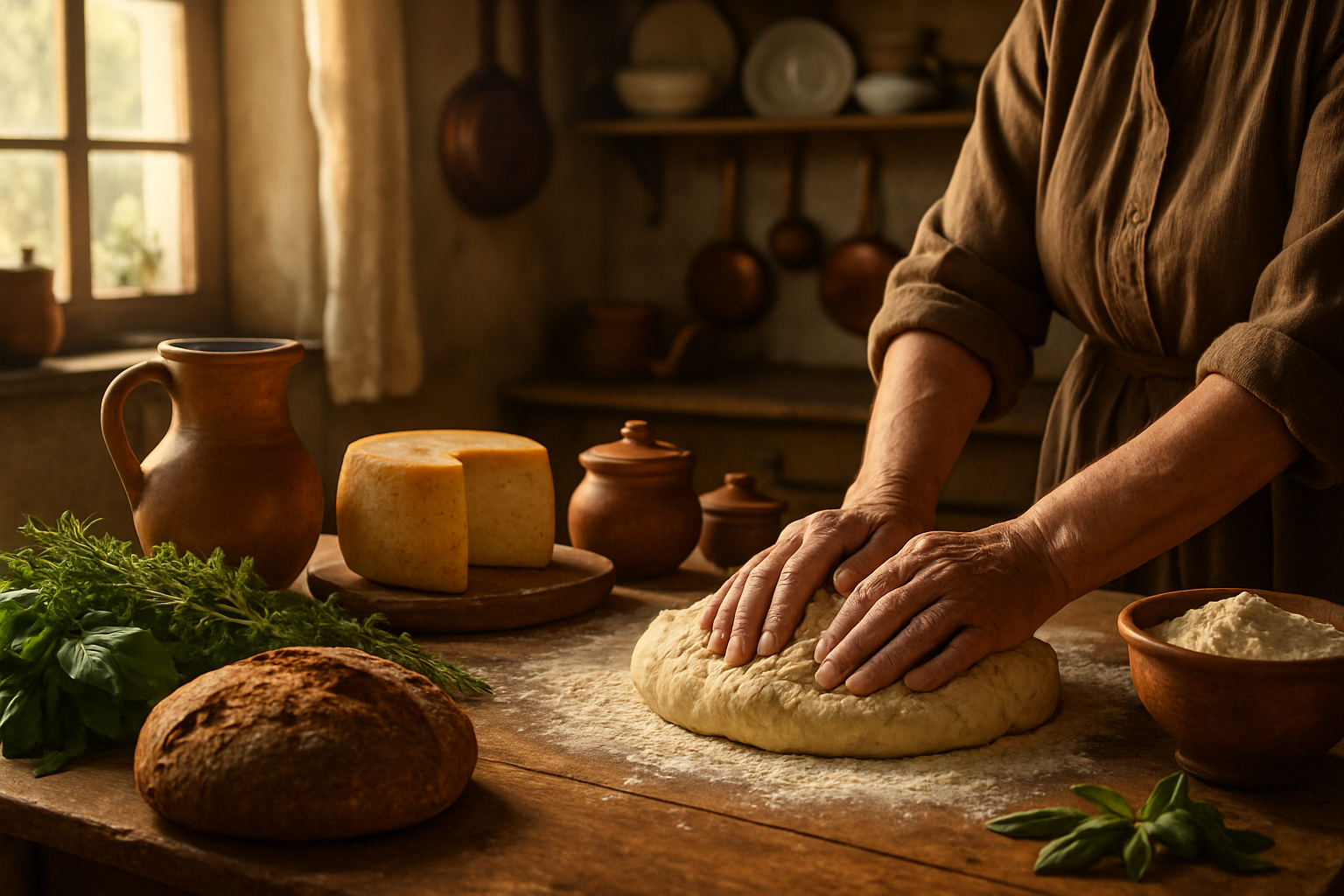
A remarkable culinary renaissance is sweeping across the globe in 2026, as traditional cooking methods and authentic food cultures experience their most significant revival in modern history, challenging industrial food systems and rekindling ancient culinary wisdom.
From the bustling kitchens of Vienna's ninth district to the nostalgic tables of the former Yugoslavia, and from the heritage bakeries of Bulgaria to the traditional preserving methods of Serbia, a profound transformation is reshaping how we think about food, cooking, and cultural identity. This movement represents far more than culinary nostalgia—it's a fundamental shift toward authenticity, health consciousness, and cultural preservation that's influencing dining patterns across continents.
The Persian Kitchen Renaissance
In Vienna's ninth district, the restaurant Safran has become a symbol of this traditional cooking revival. Two Iranian mothers—genuine "mamas"—now helm the kitchen, bringing authentic Persian home cooking to Austrian diners hungry for genuine cultural experiences. This approach celebrates Iranian cuisine exactly as it appears on family tables, rejecting fusion compromises in favor of pure authenticity.
The success of establishments like Safran reflects a broader consumer desire for culinary experiences that tell genuine stories. Diners increasingly seek restaurants that preserve cultural traditions rather than adapt them for mainstream palates. This trend represents a significant departure from the fusion-focused dining of previous decades, signaling a maturation in global food culture toward respect for authentic traditions.
Yugoslav Culinary Nostalgia
Across the Balkans, a powerful wave of culinary nostalgia is reviving recipes from the Yugoslav era. In Bosnia and Herzegovina, food enthusiasts are documenting and recreating dishes that sustained families during simpler times, when supermarket shelves weren't filled with processed products and when grandmothers were the primary culinary innovators.
This movement goes beyond mere recipe preservation—it represents a conscious rejection of industrial convenience foods in favor of time-tested methods that prioritized nutrition, flavor, and family connection. The resurgence of these "grandmother's recipes" speaks to a deeper cultural hunger for authenticity and meaningful food experiences that connect people to their heritage.
"In times when we lived more modestly and when supermarket shelves weren't overflowing with ready-made products, our mothers and grandmothers were true culinary magicians."
— Food Heritage Documentation Project, Bosnia and Herzegovina
Bulgaria's Morning Ritual Revival
In Bulgaria, traditional breakfast preparations are experiencing renewed popularity, with recipes like honey and cheese buhti capturing the essence of authentic Bulgarian morning traditions. These small, fluffy pastries—crispy outside, soft inside—represent more than simple breakfast fare; they embody a connection to Bulgarian identity and childhood memories.
The preparation of such traditional foods requires time, patience, and skill—qualities that modern industrial food production has largely abandoned. Bulgarian home cooks are rediscovering the satisfaction of creating foods that "wake everyone from their beds" with their irresistible aromas, prioritizing sensory experience and emotional connection over convenience.
Serbian Preservation Traditions
Serbia's contribution to this traditional cooking revival centers on heritage preservation methods, particularly the art of creating homemade spreads and preserves. Traditional chicken pâté, prepared using time-honored techniques, represents the kind of "slow food" approach that's gaining renewed respect among health-conscious consumers.
These traditional preservation methods offer several advantages over industrial alternatives: they use recognizable ingredients, avoid artificial preservatives, and create products with complex flavors that develop through careful preparation rather than chemical enhancement. The 30-minute preparation time for traditional Serbian pâté contrasts sharply with mass production methods, emphasizing quality and craftsmanship over efficiency.
The Science Behind the Revival
This traditional cooking renaissance isn't merely sentimental—it's supported by mounting scientific evidence about the health benefits of traditional food preparation methods. Research documented throughout 2026 has validated many ancestral dietary practices, from the Mediterranean diet's 25% stroke risk reduction to coffee and tea's 18% dementia prevention benefits.
Traditional cooking methods often preserve nutrients more effectively than industrial processing, maintain beneficial fermentation processes, and use whole ingredients that provide complete nutritional profiles. The movement represents a sophisticated integration of ancestral wisdom with modern nutritional understanding, creating a evidence-based approach to healthy eating that honors cultural traditions.
Global Context and Cultural Diplomacy
The traditional cooking revival occurs within a broader context of cultural preservation and international understanding. From China's Spring Festival celebrations showcasing traditional food preparation to Malaysia's multicultural food integration during Ramadan, 2026 has demonstrated how food culture serves as a bridge between communities and a vehicle for cultural diplomacy.
This global food renaissance reflects sophisticated approaches to cultural preservation that adapt traditional practices to contemporary contexts while maintaining authentic character. Countries worldwide are recognizing food culture as essential infrastructure for community identity, international cooperation, and economic development through cultural tourism.
Economic and Social Implications
The traditional cooking movement carries significant economic implications, creating opportunities for artisanal food producers, cultural tourism, and specialized culinary education. Restaurants focusing on authentic traditional cuisine command premium prices and attract dedicated followings, demonstrating sustainable business models built on cultural authenticity rather than industrial efficiency.
Communities embracing traditional food culture report enhanced social cohesion, stronger cultural identity, and improved food security through diverse local food systems. This movement provides economic alternatives to industrial food dependence while preserving valuable cultural knowledge for future generations.
Technology and Tradition Integration
Successful traditional cooking revival involves sophisticated integration of modern technology with ancestral methods. Digital platforms enable recipe sharing across borders, social media preserves cooking techniques through video documentation, and modern equipment enhances traditional methods without compromising authenticity.
This technology-tradition synthesis demonstrates how cultural preservation can leverage contemporary tools while maintaining essential character. The most successful traditional cooking movements use technology to enhance accessibility and education rather than replace fundamental preparation methods and cultural meanings.
Challenges and Future Directions
Despite growing popularity, the traditional cooking revival faces challenges including time constraints in modern lifestyles, loss of intergenerational knowledge transfer, and competition from convenient processed alternatives. Success requires sustained cultural support, educational initiatives, and economic incentives for preserving traditional food knowledge.
Climate change adds urgency to traditional food preservation efforts, as changing agricultural conditions threaten ingredients and methods that have sustained communities for generations. The revival movement must adapt to environmental pressures while maintaining cultural authenticity—a challenge that requires innovative approaches to ingredient sourcing and preparation methods.
The Path Forward
The traditional cooking and food culture revival of 2026 represents more than a culinary trend—it embodies a fundamental shift toward authenticity, health consciousness, and cultural preservation that's reshaping global gastronomy. From Persian family kitchens to Yugoslav heritage recipes, from Bulgarian morning traditions to Serbian preservation methods, this movement demonstrates humanity's enduring connection to food as culture, identity, and community.
Success depends on continued support for cultural education, sustainable economic models for traditional food systems, and innovative approaches that preserve authenticity while adapting to contemporary realities. The revival offers a template for cultural preservation that honors the past while creating sustainable foundations for future food security and cultural identity.
As we move forward, this traditional cooking renaissance provides hope for food systems that prioritize human well-being, cultural authenticity, and environmental sustainability over industrial efficiency alone. The movement's global reach demonstrates universal human hunger for meaningful food experiences that connect us to our heritage while nourishing our communities for generations to come.