Transportation systems across Algeria, Australia, Estonia, and Italy are experiencing a critical convergence of modernization efforts and operational challenges, highlighting both the promise and vulnerabilities of global infrastructure development amid unprecedented international investment.
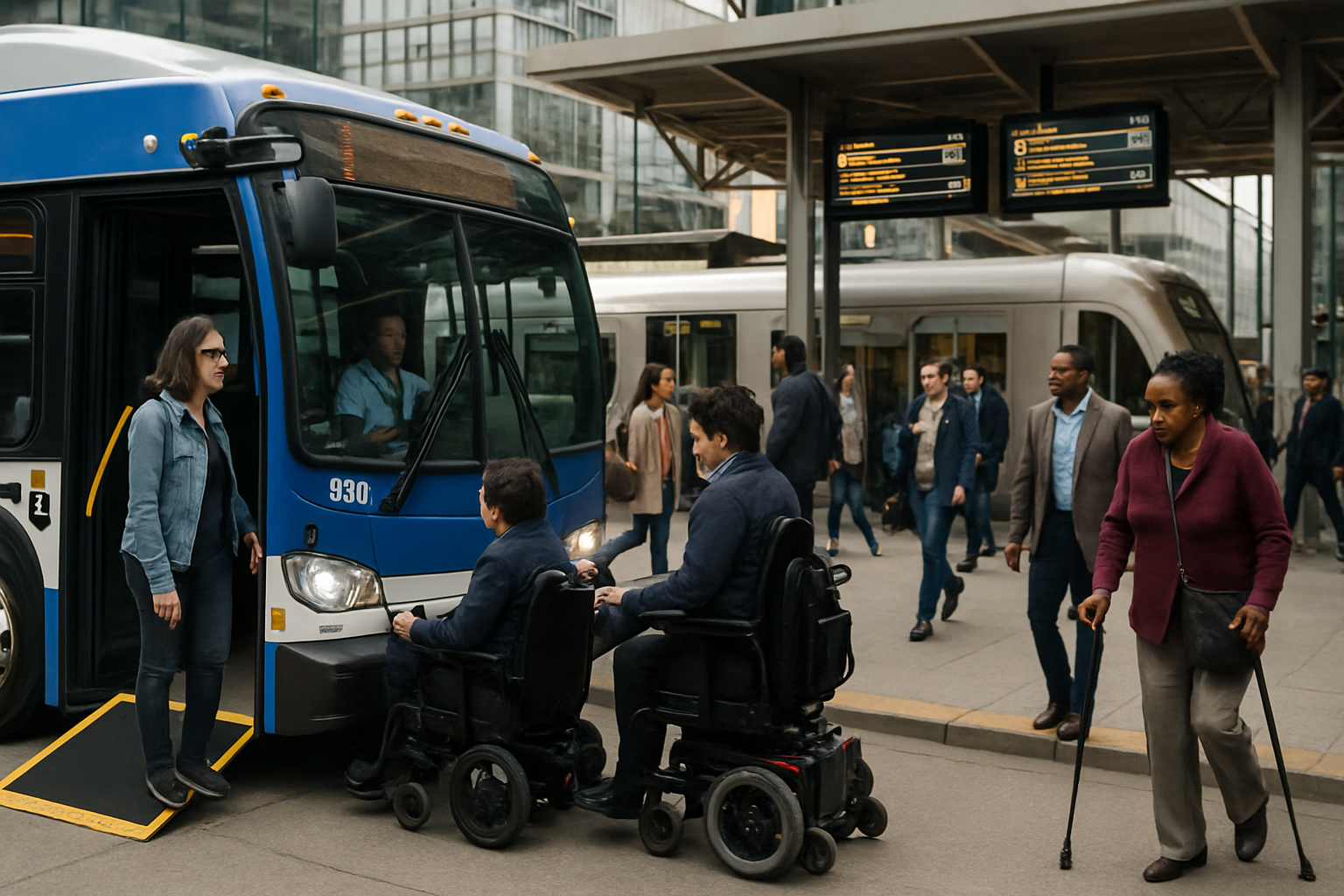
Algeria's National Urban Transport Corporation announced that newly acquired buses feature comprehensive accessibility equipment for citizens with disabilities, following directives from Interior, Local Communities and Transport Minister Said Saoud. The enhanced buses include automatic ramps, designated wheelchair spaces, audio-visual systems, and tactile guidance elements, representing a significant step forward in inclusive public transportation design.
Severe Weather Exposes System Vulnerabilities
Meanwhile, Australia faced stark reminders of infrastructure vulnerability as severe storms swept through Sydney, forcing metro services offline due to power supply failures. The disruptions created cascading effects across the entire transport network, forcing thousands of commuters onto replacement services during peak hours.
The storm highlighted ongoing concerns about climate resilience in transportation infrastructure, occurring during what climate scientists confirm is the 20th consecutive month of global temperatures exceeding 1.5°C above pre-industrial levels. These sustained temperature anomalies are creating operational conditions that many transportation networks were never designed to handle.
Estonia announced partial service suspensions for international rail connections to Riga and Vilnius during April due to infrastructure maintenance work by Estonian Railways. The state-owned railway operator Elron confirmed that certain journeys will require bus replacement services, demonstrating the complex logistics required for maintaining aging rail infrastructure while ensuring passenger safety.
Labor Strikes Threaten Continental Networks
Italy faces a different challenge entirely, with passengers warned of extensive public transport strikes across multiple cities throughout April, alongside a nationwide air travel disruption. The coordinated labor actions threaten to paralyze transportation networks during a critical spring tourism period, potentially affecting millions of travelers and significant economic activity.
The Italian strikes represent broader tensions across European transportation systems, where aging infrastructure, climate pressures, and workforce concerns are converging into complex operational challenges. Similar patterns have emerged across the continent, from Nordic countries experiencing simultaneous system failures to infrastructure attacks during major international events.
Global Context: $570 Billion Infrastructure Renaissance
These developments occur within what transportation analysts describe as an unprecedented global infrastructure surge, with over $570 billion in coordinated international investment targeting transportation modernization. The initiative encompasses everything from Vietnam's $120 billion expressway program to African railway projects connecting continental trade routes.
"We're witnessing the largest coordinated transportation infrastructure development effort in modern history, but also discovering that our existing systems are more vulnerable than previously understood."
— International Transportation Infrastructure Analyst
Algeria's accessibility improvements align with broader continental efforts to modernize public transportation while ensuring social equity. The North African nation has been systematically upgrading its bus fleet following successful implementation of comprehensive urban mobility strategies in major cities.
The timing coincides with the African Continental Free Trade Area (AfCFTA) implementation, which requires enhanced transportation connectivity to realize economic integration objectives. Modern public transportation systems with universal accessibility features represent essential infrastructure for sustainable urban development.
Technology Integration and Climate Adaptation
Modern transportation infrastructure increasingly incorporates sophisticated technology integration from the design phase, including real-time monitoring systems, predictive maintenance capabilities, digital payment platforms, and environmental optimization features. However, recent events demonstrate that technological advancement also creates new vulnerabilities requiring robust backup systems and human oversight.
Estonia's maintenance schedule reflects broader European efforts to upgrade rail networks for climate resilience, incorporating enhanced drainage systems, weather-resistant materials, and backup power infrastructure. The Baltic nation has emerged as a leader in sustainable transportation, with 88% renewable electricity usage and Europe's largest battery storage system serving 90,000 households.
Climate adaptation has evolved from an optional enhancement to an essential survival strategy for transportation networks. Enhanced drainage, flood management systems, and weather-resistant design have become standard requirements rather than optional features, driven by the reality of sustained climate volatility.
Regional Integration Challenges
The Estonian rail maintenance demonstrates how infrastructure improvements require careful coordination to maintain regional connectivity. The Rail Baltica project, connecting Baltic states to broader European networks, represents one of Europe's most significant railway developments, requiring unprecedented cross-border coordination.
Italy's labor strikes highlight how workforce issues can rapidly escalate into international concerns when transportation networks cross borders. Modern logistics and tourism depend on seamless connectivity, making isolated national disruptions increasingly problematic for regional economic integration.
Australia's weather-related failures underscore how extreme events in one location can affect continental supply chains and international connections. The Sydney metro disruption impacted not only local commuters but also airport connections and freight logistics throughout the Pacific region.
Economic and Social Implications
Transportation infrastructure failures create substantial economic multiplier effects beyond immediate passenger inconvenience. Algeria's accessibility improvements support workforce participation for citizens with disabilities, while Estonia's maintenance investments protect crucial Baltic trade routes. Italy's strike threats could significantly impact tourism revenues during peak season.
The convergence of modernization efforts with operational challenges reflects broader tensions between maintaining existing services while building for future needs. Transportation authorities must balance immediate mobility requirements with long-term resilience investments, often under severe budget constraints.
International Cooperation and Lessons Learned
The diverse challenges faced across these four countries demonstrate why international cooperation has become essential for transportation development. Technical assistance, knowledge sharing, and coordinated procurement help address supply chain disruptions and implement best practices across different geographic and political contexts.
Success factors emerging from current global infrastructure development include sustained political commitment, transparent governance frameworks, comprehensive community engagement, and adaptive management strategies that can respond to unexpected challenges while maintaining long-term development objectives.
The March 2026 transportation developments represent a watershed moment that will influence global infrastructure policy for decades ahead. The choice between transformative adaptation and reactive crisis management is becoming increasingly urgent as the window for effective climate action continues to narrow while urbanization and economic pressures intensify worldwide.
As transportation networks evolve to meet 21st-century demands, the experiences of Algeria, Australia, Estonia, and Italy provide valuable insights into balancing immediate operational needs with sustainable long-term development. The success or failure of current modernization efforts will determine whether global transportation infrastructure can support an increasingly interconnected world facing unprecedented climate and economic challenges.