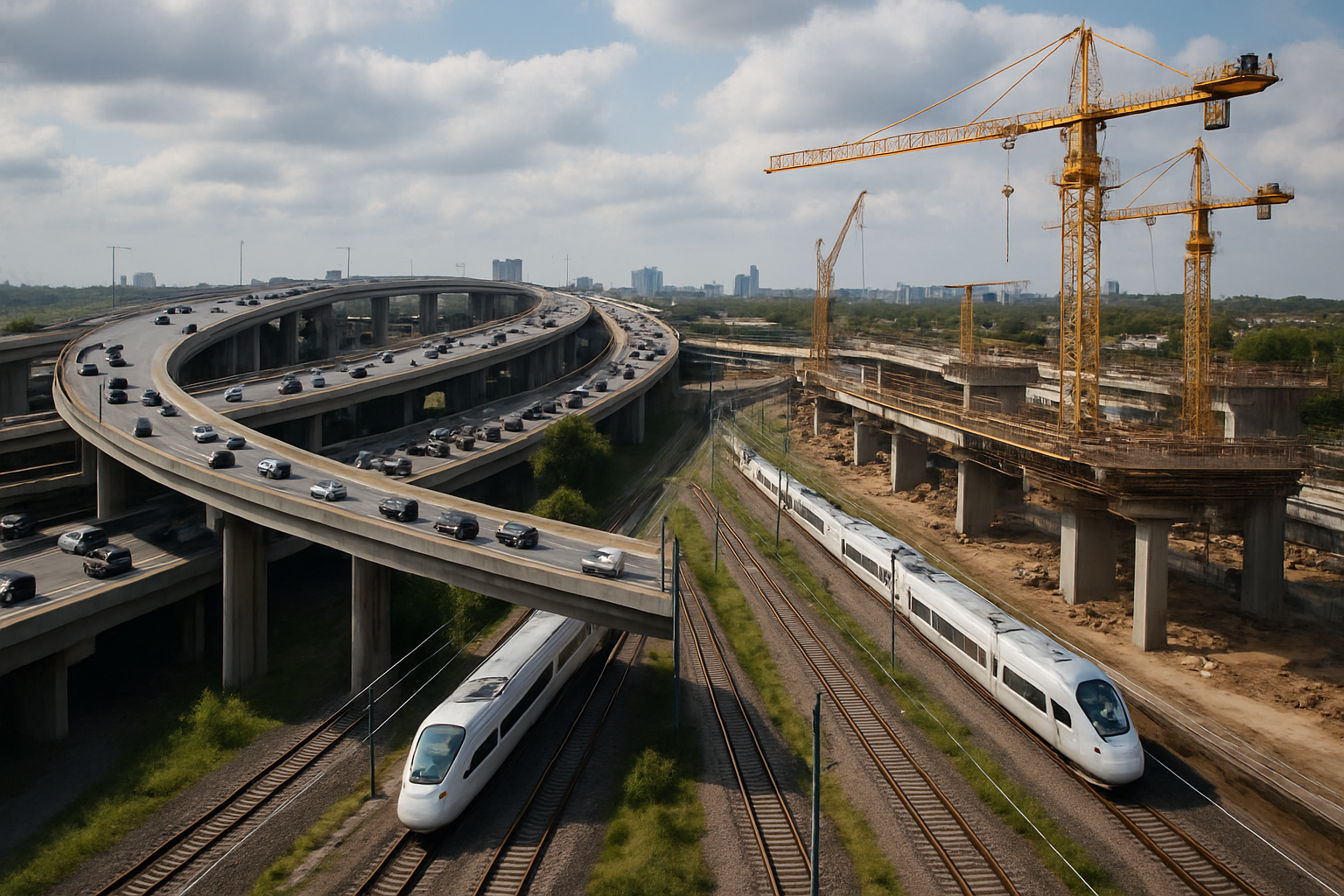
Transportation networks across four nations are experiencing significant disruptions this week, highlighting the vulnerability of modern infrastructure systems to extreme weather conditions and evolving market dynamics amid an unprecedented global infrastructure investment surge.
Armenia Faces Mountain Pass Closures
Armenian authorities have closed the critical Stepanzminda-Lars highway to all vehicle types due to deteriorating road conditions, according to reports from Georgia's Interior Ministry Emergency Department and Russia's Ministry of Emergency Situations. The closure affects a vital transit corridor connecting Armenia with Russia through Georgia.
Separately, rescue services report that while most roads in Armenia remain passable, several key routes are experiencing closures. The Gyumri-Bavra highway is shut down due to heavy snowfall, and access to the high-altitude Amberd meteorological station in Aragatsotn Province has been blocked by adverse weather conditions.
Lithuania's Rail Baltica Construction Creates Local Disruption
In Lithuania, the strategically important Rail Baltica project—designed to connect the Baltic states with Western Europe—has become a daily challenge for residents in the Kėdainiai district. The Šėtos municipality has been particularly affected, with local residents experiencing what may be among the most difficult driving conditions in the region.
The Pagirii-Vaiškoniai road section has deteriorated into nearly impassable terrain filled with mud and potholes, causing vehicles to break down repeatedly and making communication between communities extremely difficult. Ironically, residents have become some of the few drivers who welcome the recent cold snap, as frozen roads provide better conditions than the previous muddy morass.
"Until their Pagirii-Vaiškoniai road section, the roads had become almost undrivable muddy and pothole-filled tracks where cars often broke down, and communication with the city and other villages had become a real torment."
— Local resident report on Rail Baltica construction impact
New Zealand Automotive Market Contraction
Meanwhile, in New Zealand, the transportation sector is witnessing significant market changes as German automaker Opel prepares to exit the market after just four years of operations. The departure is attributed to poor sales performance and the removal of clean car incentives by the government.
This development reflects broader challenges in the global automotive sector, where manufacturers are grappling with changing policy environments and consumer preferences in different markets. The exit underscores how policy changes can rapidly affect market viability for international brands.
Global Infrastructure Investment Surge Context
These regional challenges occur within the context of an unprecedented $570+ billion global infrastructure investment surge that has been documented across multiple continents throughout 2026. From Vietnam's $120 billion expressway commitments to Saudi Arabia's high-speed rail agreements, nations worldwide are recognizing transportation infrastructure as essential for economic competitiveness and climate adaptation.
However, the current disruptions highlight a critical gap between infrastructure planning and climate reality. Many existing systems were designed for historical weather patterns rather than the increasingly volatile conditions being experienced globally.
Climate Adaptation Challenges
The transportation disruptions come as January 2026 marked the 18th consecutive month of global temperatures exceeding 1.5°C above pre-industrial levels. This sustained warming trend is creating operating conditions that exceed the design parameters of much existing infrastructure.
Modern infrastructure projects are increasingly incorporating climate adaptation measures from the design phase, including enhanced drainage systems, weather-resistant materials, and backup power systems. However, legacy infrastructure often lacks these capabilities, leaving transportation networks vulnerable during extreme weather events.
Technology Integration and Supply Chain Pressures
The ongoing global memory chip crisis, with semiconductor prices surging sixfold until 2027, is affecting the implementation of smart transportation systems and control technologies. This shortage impacts everything from traffic management systems to vehicle control units, potentially delaying the rollout of advanced transportation solutions.
Despite these constraints, successful projects are demonstrating that international cooperation and adaptive management can overcome technical challenges. The Rail Baltica project, despite its local disruptions, remains a cornerstone of European integration efforts.
Economic and Social Implications
Transportation disruptions create cascading economic effects beyond immediate travel inconvenience. In Lithuania, the deteriorated roads affect not just daily commuting but also agricultural transport, emergency services access, and local economic activity. Similarly, highway closures in Armenia disrupt trade flows and regional connectivity.
The automotive market exit in New Zealand demonstrates how quickly transportation options can change based on policy and market conditions, potentially affecting consumer choice and service availability in specific regions.
Regional Integration and Future Outlook
Despite current challenges, transportation infrastructure development continues to be viewed as essential for regional integration and economic development. The Rail Baltica project, once completed, will provide enhanced connectivity between the Baltic states and broader European markets, potentially offsetting current local disruptions with long-term regional benefits.
Success in managing these infrastructure challenges requires balancing immediate mobility needs with long-term sustainability goals. This includes incorporating climate resilience into design standards, maintaining flexible supply chains, and ensuring that infrastructure investment serves both current and future transportation requirements.
The convergence of extreme weather events, supply chain constraints, and evolving market dynamics in early 2026 is providing valuable lessons for transportation planners worldwide. These experiences are shaping more resilient approaches to infrastructure development that can better withstand the uncertainties of a rapidly changing global environment.