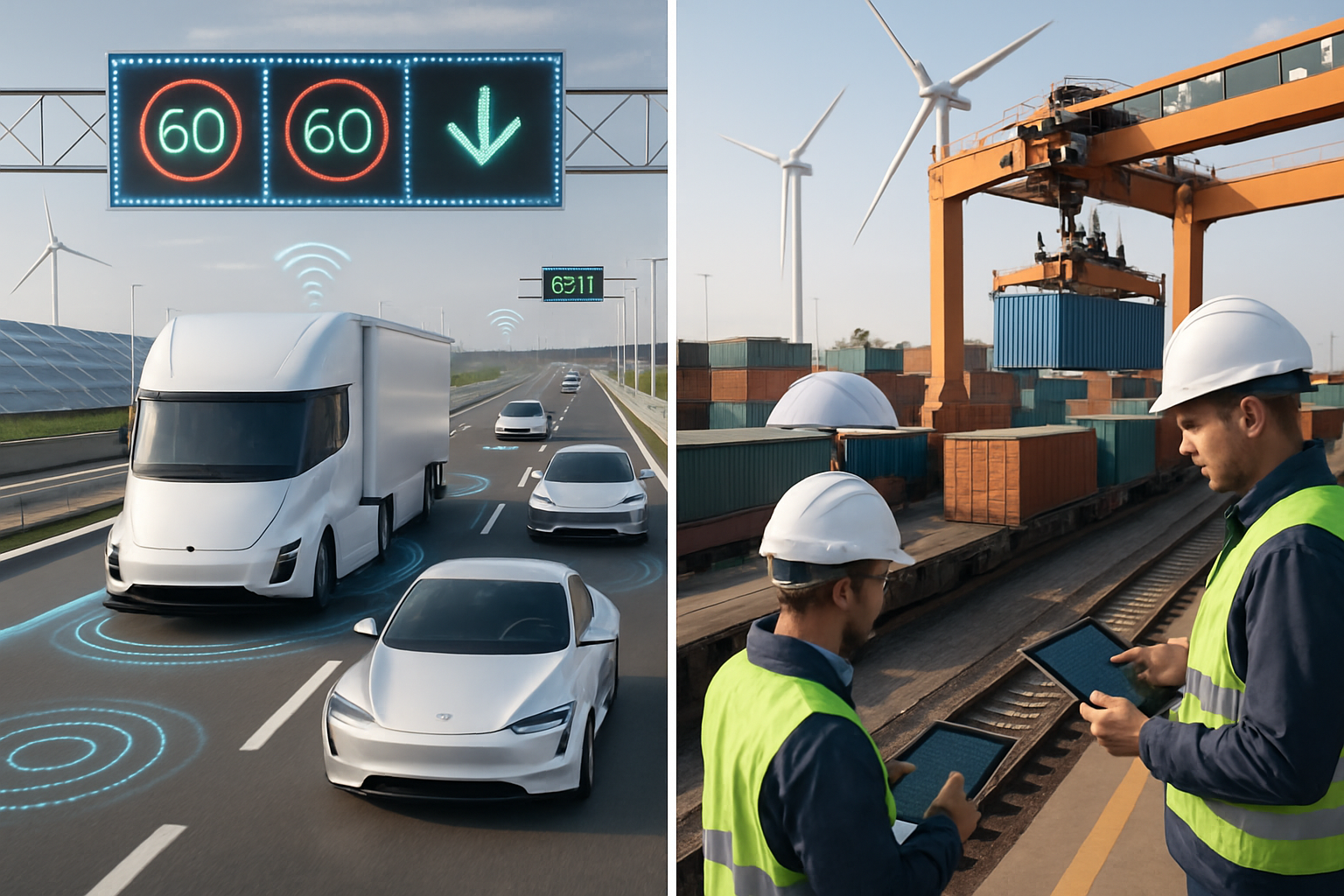
Transportation innovation is reshaping global mobility as Croatia digitizes rail freight operations and Uganda expands smart business mobility services, representing two distinct but complementary approaches to modernizing logistics and transportation infrastructure in the digital age.
Croatia has taken a significant stride toward modernizing its rail freight sector with parliamentary approval of groundbreaking legislation introducing digital freight documents. This transformation represents a fundamental shift from paper-based systems to comprehensive digital logistics management, positioning Croatia at the forefront of European transportation innovation.
Digital Revolution in European Rail Freight
The new Croatian legislation establishes a comprehensive framework for digital freight documentation, eliminating traditional paper-based processes that have slowed logistics operations for decades. This digital transformation extends beyond simple document digitization, incorporating real-time tracking, automated compliance reporting, and integrated supply chain visibility.
Croatia's initiative aligns with broader European Union objectives for sustainable transportation and digital single market integration. The modernization effort builds on Croatia's exceptional 99.25% EU funding absorption rate – the highest among member states – demonstrating the nation's capacity for effective infrastructure development and European integration leadership.
The rail freight digitization project connects to Croatia's comprehensive transportation modernization strategy, which includes the €3 million Zagreb Traffic Portal consolidating traffic data from road sensors, cameras, public transport, and pedestrian monitoring systems. This integrated approach creates a seamless digital transportation ecosystem serving both commercial freight and passenger mobility needs.
African Business Mobility Innovation
Meanwhile, in Uganda, SafeBoda has launched an innovative business-focused transport solution targeting small and medium enterprises alongside corporate clients. The Ugandan-founded ride-hailing platform is expanding beyond consumer services into comprehensive enterprise mobility management, addressing the unique transportation challenges faced by African businesses.
SafeBoda's enterprise solution streamlines employee mobility, delivery services, and expense management through integrated digital platforms. This approach reflects the broader African leapfrogging phenomenon, where emerging economies adopt advanced digital solutions without requiring extensive traditional infrastructure development.
The expansion represents significant strategic positioning for SafeBoda within East Africa's dynamic technology sector, building on Uganda's €641.1 million infrastructure financing secured with Standard Chartered Bank for major development projects supporting the nation's Ten-Fold Growth Strategy to expand the economy to USD 500 billion by 2040.
Global Transportation Technology Convergence
These developments occur within an unprecedented $570+ billion global infrastructure investment surge, demonstrating coordinated international recognition that modern transportation networks serve as strategic foundations for economic competitiveness, climate adaptation, and international cooperation in the 21st century.
Contemporary transportation projects universally incorporate sophisticated technology integration from the design phase, including real-time monitoring systems, predictive maintenance capabilities, digital payment platforms, and environmental optimization protocols. Climate adaptation has evolved from optional consideration to mandatory requirement, with enhanced drainage systems, weather-resistant materials, and backup power infrastructure designed for future rather than historical climate conditions.
The convergence of European digital rail freight modernization with African smart mobility platforms illustrates diverse pathways toward transportation innovation serving different economic contexts while addressing universal challenges of efficiency, sustainability, and economic development.
Supply Chain Resilience and Digital Infrastructure
Both Croatian and Ugandan innovations address critical supply chain vulnerabilities exposed by recent global disruptions. Digital freight documentation enables rapid response to logistics challenges, while integrated business mobility platforms provide flexibility for enterprises adapting to changing operational requirements.
However, implementation faces common challenges including global semiconductor shortages that have driven memory chip prices sixfold higher, affecting smart transportation control systems until new fabrication facilities come online in 2027. These constraints have accelerated innovation in memory-efficient algorithms and distributed processing systems, creating more resilient and adaptable networks despite supply chain pressures.
The memory crisis paradoxically benefits long-term technological development by encouraging efficiency over resource-intensive implementations, leading to more sustainable and cost-effective transportation solutions.
Regional Integration and Economic Development
Croatia's rail freight digitization strengthens European single market connectivity while supporting the broader Rail Baltica project connecting Baltic states to European rail networks by 2030. This continental integration creates economic multiplier effects through reduced logistics costs, enhanced market access, and improved business productivity across European supply chains.
SafeBoda's enterprise expansion supports East African Community technological standards and connectivity objectives, contributing to African Continental Free Trade Area (AfCFTA) implementation through improved intra-regional business mobility and logistics efficiency.
Both initiatives demonstrate how transportation innovation creates substantial benefits beyond immediate operational improvements, generating permanent employment in technology services, business development stimulation, and enhanced regional competitiveness in the global economy.
Climate Adaptation and Environmental Sustainability
Transportation modernization occurs amid urgent climate pressures, with January 2026 marking the 18th consecutive month of temperatures exceeding 1.5°C above pre-industrial levels. This sustained warming beyond natural variability mechanisms requires transportation systems designed for climate resilience rather than historical weather patterns.
Digital freight documentation reduces paper consumption and transportation inefficiencies, while smart business mobility platforms optimize route planning and vehicle utilization, contributing to emission reductions essential for climate target achievement. These innovations demonstrate how digital technology advancement aligns with environmental sustainability objectives.
Modern transportation infrastructure incorporates renewable energy systems, smart grid integration, and energy recovery protocols, establishing precedents for environmentally conscious development that influences infrastructure planning worldwide.
International Cooperation and Knowledge Transfer
The success of both Croatian and Ugandan initiatives relies on international cooperation frameworks providing technical assistance, knowledge sharing, and coordinated procurement strategies. Croatia benefits from EU expertise and funding mechanisms, while Uganda leverages international development partnerships and private sector collaboration.
These projects exemplify evolution from traditional North-South aid relationships toward peer-to-peer knowledge sharing and innovative financing approaches that enable developing nations to undertake previously impossible technological transformations while maintaining national ownership and strategic autonomy.
Success factors include comprehensive strategic planning, transparent governance, sustained political commitment, and community engagement, demonstrating that transportation innovation requires balancing technological advancement with authentic stakeholder consultation and adaptive management approaches.
Future Implications and Strategic Significance
March 2026 represents a watershed moment for global transportation innovation, where technological advancement, environmental awareness, and international cooperation converge to create new development models prioritizing sustainability alongside economic growth.
The choice between transformative adaptation and reactive crisis management represents a significant policy decision for the current decade. Success in implementing comprehensive transportation modernization determines whether societies develop the adaptive capacity necessary for thriving in an interconnected, climate-challenged world.
These transportation innovation precedents influence infrastructure development strategies decades ahead, establishing templates for integrating digital technology with physical infrastructure while serving immediate community needs and building long-term economic competitiveness and environmental resilience.
The convergence of European digital freight systems with African smart mobility platforms demonstrates that transportation innovation can simultaneously address immediate operational challenges and contribute to broader objectives of sustainable development, regional integration, and climate action during this decisive period for global environmental and economic stability.