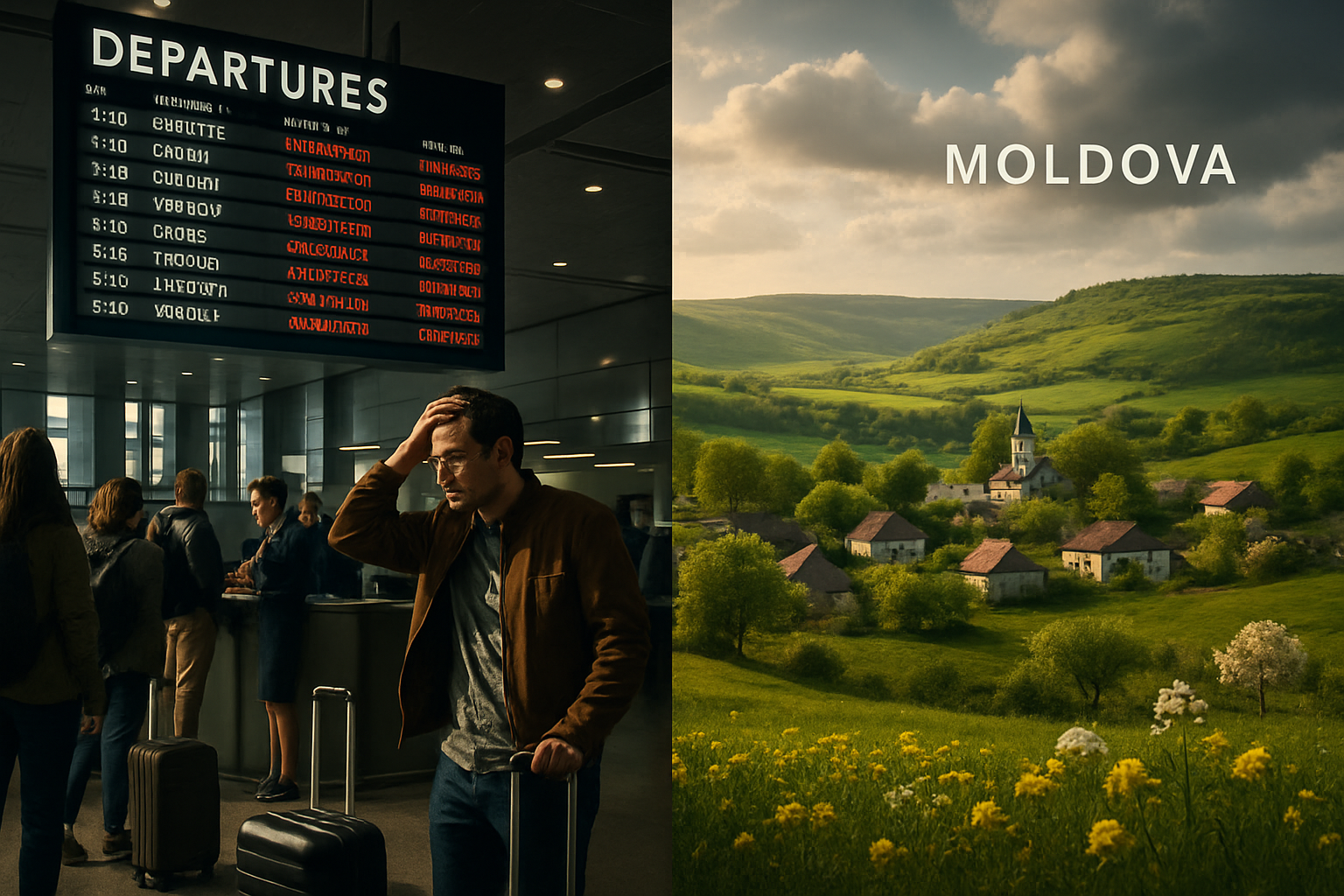
As European travelers face unprecedented flight disruption concerns stemming from the ongoing aviation crisis that has affected over 18,000 flights since March 2026, a quieter destination emerges as the perfect spring escape: Moldova, particularly during the optimal late April to early May window.
The European Aviation Crisis Context
The continent continues to grapple with the most severe aviation disruption since the COVID-19 pandemic. With Dubai International Airport—the world's busiest with over 86 million annual passengers—remaining shut down due to missile damage, European routes have experienced cascading effects. Eight Middle Eastern countries maintain simultaneous airspace closures, forcing complex and costly rerouting strategies that have pushed jet fuel prices up by 122%, from $85-90 to $150-200 per barrel.
Major carriers including Emirates, Etihad, Air France-KLM, and Wizz Air have suspended operations indefinitely, while Norwegian Airlines deployed 125 additional flights after SAS cancelled over 1,000 flights due to unsustainable fuel costs. The crisis has exposed the aviation industry's over-dependence on Middle Eastern hubs, accelerating urgent discussions about route diversification.
"My flight to Europe is cancelled. I'm nervous about accepting the replacement."
— Traveler sentiment, Sydney Morning Herald
Travel Insurance Gaps Exposed
The ongoing crisis has revealed critical gaps in travel insurance coverage, with standard policies excluding war-related cancellations. This vulnerability has driven a fundamental shift toward package tours offering comprehensive coverage, as individual travelers face extreme costs for emergency rerouting. Swedish traveler Emily Grosser's experience—paying $560 for alternative Paris-Australia routing after Dubai cancellation—exemplifies the financial burden on independent travelers.
Austrian European Consumer Centres confirm that travelers experiencing regional "anxiety" have no recourse unless booking organized tours with specialized conflict coverage. This trend toward enhanced security screening, mandatory conflict insurance, and pre-approval systems for high-risk destinations is becoming the new standard for international travel.
Moldova: Europe's Hidden Spring Gem
Amidst this chaos, Moldova presents a compelling alternative for spring travelers seeking authentic experiences without the aviation complexities. The late April to early May period offers the country at its most comfortable and vibrant, coinciding with optimal weather conditions and the peak of spring blooming season.
During this window, Moldova experiences mild temperatures perfect for exploring its renowned wine regions, with over 140 wineries dotting the countryside. The timing coincides with the grape vine budding season, offering visitors a glimpse into the country's viticultural heritage that dates back over 5,000 years. The famous Mileștii Mici wine cellars, recognized by Guinness World Records as the largest wine cellar complex globally, provide an underground labyrinth spanning 200 kilometers.
Regional Winners in the Tourism Redistribution
The aviation crisis has created clear winners and losers in European tourism. Croatia has emerged as a major beneficiary, positioning itself as a safer European alternative while operating Europe's most extensive seasonal healthcare network with 62 tourist medical clinics for the 2026 season. Spain, with its capacity for 513.6 million annual tourist nights, continues capturing redirected demand from traditional Middle Eastern destinations.

Moldova benefits from this redistribution as a destination offering stability, authenticity, and accessibility without the infrastructure strain affecting more popular European destinations. The country's strategic location between Romania and Ukraine provides easy overland access, reducing dependence on complex flight connections.
The Perfect Storm Driving Change
The Caribbean faces what industry experts term a "perfect storm"—Middle East disruptions combined with Cuba's aviation isolation creating compounded connectivity challenges. New Zealand's tourism recovery is threatened as one-third of European travelers typically use Middle Eastern hubs. This global reshuffling benefits lesser-known European destinations like Moldova that offer direct access and unique experiences.
Generation Z travelers, representing 50% of multiple trip-makers taking 5+ day trips annually, are driving demand for AI-integrated travel planning combined with authentic cultural experiences. Moldova's unspoiled landscapes, traditional crafts, and genuine hospitality align perfectly with this demographic's preferences for meaningful travel over conventional tourist attractions.
Quality-Focused Tourism Evolution
The crisis has accelerated the tourism industry's transformation from volume-based to quality-focused strategies. Rome's Trevi Fountain managed access system generates €6 million annually through crowd management, while Venice has expanded entry fees to 60 days in 2026, demonstrating dynamic pricing evolution.
Moldova's approach emphasizes sustainable community-focused development, balancing economic objectives with cultural preservation and environmental responsibility. The country's rural guesthouses and agritourism initiatives provide authentic experiences while supporting local communities—a model increasingly valued by conscious travelers.
Climate and Timing Advantages
With January 2026 marking the 18th consecutive month of temperatures exceeding 1.5°C above pre-industrial levels, climate adaptation has become essential for destination competitiveness. Moldova's late April to early May window offers ideal spring conditions before summer heat becomes intense, making it perfect for outdoor activities and exploration.
The timing also coincides with traditional Moldovan festivals and cultural events, providing visitors with genuine cultural immersion opportunities. Local markets burst with fresh produce, and traditional craft demonstrations occur throughout the countryside during this period.
Technology Integration While Preserving Authenticity
Moldova demonstrates how technology can enhance rather than replace authentic cultural experiences. The country's developing digital infrastructure supports modern traveler expectations while maintaining its traditional character. Unlike over-touristed destinations implementing crowd control measures, Moldova offers space for spontaneous exploration and genuine interactions with locals.
The country's wine tourism infrastructure has modernized significantly, with many cellars offering digital experiences alongside traditional tastings, creating a perfect blend of innovation and heritage that appeals to contemporary travelers.
Economic Multiplier Effects
Tourism in Moldova extends beyond hospitality to comprehensive community development. Unlike mass tourism models, the country's approach creates lasting economic benefits through infrastructure improvements, cultural programming, workforce development, and support for local artisan networks. This sustainable model provides year-round employment opportunities rather than seasonal peaks.
The global tourism infrastructure investment surge of over $570 billion in 2026 focuses on comprehensive visitor services beyond accommodation, including healthcare, transportation, and digital systems. Moldova's gradual development allows for thoughtful implementation of these standards without overwhelming local communities.
Looking Ahead: The New Normal
Recovery from the current aviation crisis remains uncertain, as it depends on diplomatic and military resolution rather than predictable factors like weather disruptions. Airlines conduct daily reviews but cannot make long-term scheduling decisions with multiple airspaces closed. This volatility has made destinations with reliable overland access and stable infrastructure increasingly attractive.
Enhanced security screening, mandatory conflict insurance, and pre-approval systems for high-risk destinations are becoming permanent features of international travel. Regional cooperation is replacing individual competition through collaborative marketing, shared infrastructure, and multi-destination experiences.
"If you want to experience Moldova at its most comfortable, vibrant..."
— Moldova tourism promotion, Moldova Live
Success Factors for Modern Destinations
The current crisis has identified key success factors for destinations: cultural authenticity preservation, enhanced visitor experiences through strategic infrastructure, meaningful community involvement, international cooperation, and adaptive management responding to changing conditions.
Moldova embodies these principles through its authentic cultural offerings, developing infrastructure that serves both visitors and residents, strong community involvement in tourism initiatives, and flexible approaches to market changes. The country's late April to early May period maximizes these advantages when weather conditions are optimal and local communities are most actively engaged in tourism activities.
As the travel industry faces its greatest transformation since World War II, destinations like Moldova that prioritize quality experiences over volume metrics are positioned to emerge stronger. The current watershed moment in international tourism, characterized by the choice between maintaining global connectivity versus developing regionalized security-conscious patterns, favors destinations offering authenticity, stability, and genuine value.
For travelers seeking to escape the chaos of mainstream European tourism while experiencing authentic culture and natural beauty, Moldova's late April to early May window represents an ideal opportunity to discover one of Europe's best-kept secrets during its most beautiful season.