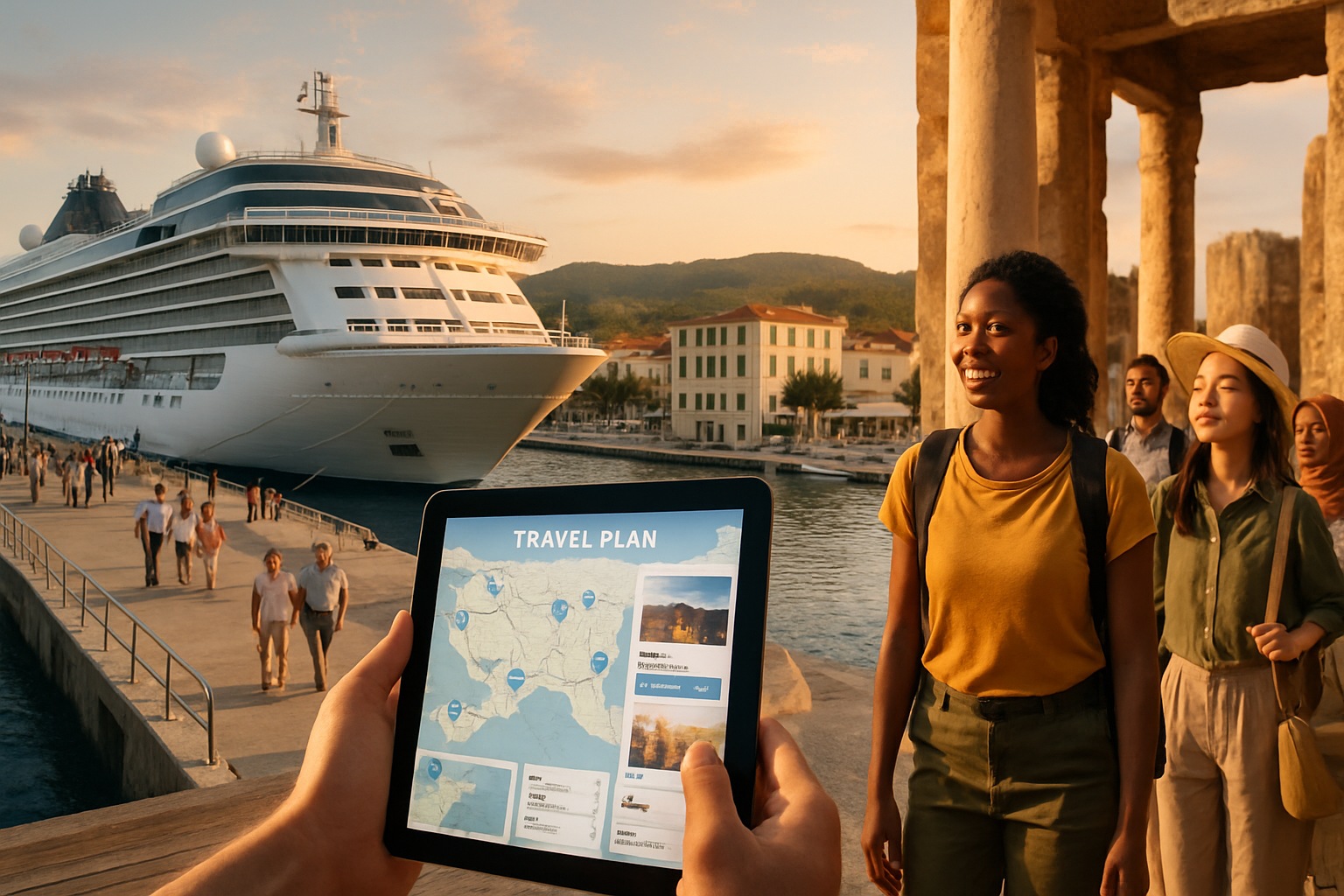
The global travel industry is experiencing a fundamental transformation as destinations worldwide implement innovative infrastructure projects, luxury positioning strategies, and cultural tourism initiatives to capture post-pandemic recovery momentum and changing traveler preferences.
From Ireland's ambitious cruise ship development plans to Monaco's luxury travel analysis and Spain's cultural celebrations, recent developments demonstrate how destinations are adapting to a new era of tourism that prioritizes quality experiences, authentic engagement, and sustainable growth over traditional volume-based approaches.
Ireland's Maritime Tourism Ambitions
Donegal County Council is considering a groundbreaking proposal to transform Rathmullan into a major cruise ship destination, leveraging the town's exceptional natural advantages and existing infrastructure. Councillor Pauric McGarvey has called for expressions of interest from cruise ship companies to utilize Rathmullan pier as a gateway to the Fanad Peninsula.
The proposal highlights Rathmullan's unique positioning as Ireland's second deepest natural harbor, with 14-meter depths that can easily accommodate large vessels and cruise ships at all tidal conditions. Recent investments in pier strengthening works, access control systems, and professional mooring teams have created the foundation for cruise operations.
"Rathmullan has a lot to offer. Fanad Lighthouse and the surrounding area provide a wide range of attractions for visitors seeking authentic Irish experiences."
— Councillor Pauric McGarvey, Donegal County Council
This development aligns with global trends toward alternative cruise destinations as travelers seek unique, less crowded experiences. The Caribbean region has demonstrated the economic potential of cruise tourism, with destinations like Saint Kitts accommodating multiple vessels simultaneously and generating significant economic multiplier effects for local communities.
Monaco Analyzes Luxury Beach Tourism Dynamics
Recent analysis from Monaco highlights why St. Tropez maintains its position as the unrivaled "Summer Capital of Wealth," offering insights into luxury tourism positioning strategies. The destination's success stems from a unique combination of bohemian heritage, concentrated power networking opportunities, and mythical status that cannot be replicated by other luxury destinations.
For Monaco residents, the short helicopter journey from Port Hercule to the Gulf of Saint-Tropez represents more than seasonal migration—it embodies a lifestyle blending barefoot Mediterranean simplicity with sophisticated social scenes. This positioning demonstrates how luxury destinations must offer authentic cultural experiences alongside premium amenities.
The analysis reveals a growing pivot toward villa rentals in locations like Ramatuelle and Les Parcs, indicating how luxury travelers increasingly value privacy and personalized experiences over traditional hotel accommodations. This trend reflects broader industry evolution toward customized, authentic experiences that Generation Z and affluent millennials demand.
Spain's Cultural Tourism Renaissance
Spain is positioning itself as a premier destination for cultural celebrations, with St. Patrick's Day festivities planned across the country from Benidorm to Barcelona. This strategic embrace of international cultural celebrations demonstrates how destinations can leverage diaspora communities and cultural events to attract diverse visitor segments.
The Spanish approach reflects broader tourism industry trends toward authentic cultural experiences that connect visitors with local communities and traditions. This aligns with post-pandemic travel preferences where tourists seek meaningful engagement rather than standardized vacation packages.
Industry-Wide Transformation Patterns
These developments across Ireland, Monaco, and Spain illustrate several key trends reshaping global tourism:
Infrastructure Innovation: Destinations are investing in specialized infrastructure that serves both tourism and community needs. Ireland's cruise development, like Croatia's 62 tourist medical clinics and Malaysia's rural aviation modernization, demonstrates comprehensive approaches to visitor support services.
Quality-Focused Strategies: The industry is shifting from volume-based to quality-focused approaches. Monaco's luxury positioning analysis and Ireland's targeted cruise market development reflect this evolution toward premium visitor experiences that generate higher economic returns per visitor.
Cultural Authenticity: Spain's multicultural celebration strategy demonstrates how destinations can leverage authentic cultural programming to attract diverse markets while maintaining community engagement and economic benefits.
Technology and Sustainability Integration
The current transformation incorporates technology integration that enhances rather than replaces authentic experiences. Generation Z travelers, representing 50% of multiple annual trips, drive demand for AI-integrated travel planning combined with authentic cultural engagement and environmental sustainability.
Destinations worldwide are implementing digital solutions for visitor management, from Rome's Trevi Fountain €2 system generating €6 million annually to Venice's expanded entry fee program covering 60 days in 2026. These technology-enabled approaches balance heritage preservation with sustainable tourism growth.
Economic Multiplier Effects
The economic impact of these tourism developments extends far beyond traditional hospitality sectors. Ireland's cruise development could create year-round employment in transportation, cultural services, and artisan networks. Monaco's luxury positioning supports high-value service sectors, while Spain's cultural programming benefits local event management, hospitality, and retail businesses.
Cyprus achieved record tourism performance with 4.5 million visitors generating €3.6 billion revenue in 2025, demonstrating how quality-focused strategies with per-person expenditure increases create more sustainable economic foundations than volume-based approaches.
Climate Resilience and Adaptation
Tourism infrastructure development increasingly incorporates climate resilience, with January 2026 marking the 18th consecutive month of global temperatures exceeding 1.5°C above pre-industrial levels. Destinations are investing in climate-adaptable infrastructure and diversified tourism products that can operate effectively across different seasonal conditions.
Austria achieved 28.1% of overnight stays during shoulder seasons, demonstrating successful year-round destination development that reduces peak-season pressures while creating sustainable employment and visitor experiences.
Regional Cooperation Models
The tourism industry is evolving from individual destination competition toward regional cooperation through coordinated marketing, infrastructure sharing, and collaborative development. Caribbean cruise coordination, European best practices sharing, and integrated destination experiences create competitive advantages that benefit entire regions.
This collaborative approach enables smaller destinations like Rathmullan to access cruise markets through regional partnerships, while established luxury destinations like St. Tropez maintain positioning through authentic experience differentiation.
Future Implications
The developments across Ireland, Monaco, and Spain establish templates for tourism evolution in an increasingly sophisticated global marketplace. Success factors consistently include cultural authenticity preservation, enhanced visitor experiences through strategic infrastructure, meaningful community involvement, international cooperation, and adaptive management responding to changing consumer preferences.
As the industry continues recovering from pandemic disruptions with unprecedented $570+ billion global infrastructure investment, destinations that balance economic objectives with community benefits, cultural preservation, and environmental responsibility are positioned for long-term competitiveness.
The tourism transformation evident in these three distinct markets suggests the industry is entering a maturation phase characterized by sophisticated destination management, technology integration maintaining cultural authenticity, and sustainable practices that serve both visitors and host communities effectively in our interconnected world.