Travel and tourism destinations across Europe are implementing innovative connectivity solutions and embracing new booking trends as the industry continues its strategic transformation following the unprecedented challenges of early 2026.
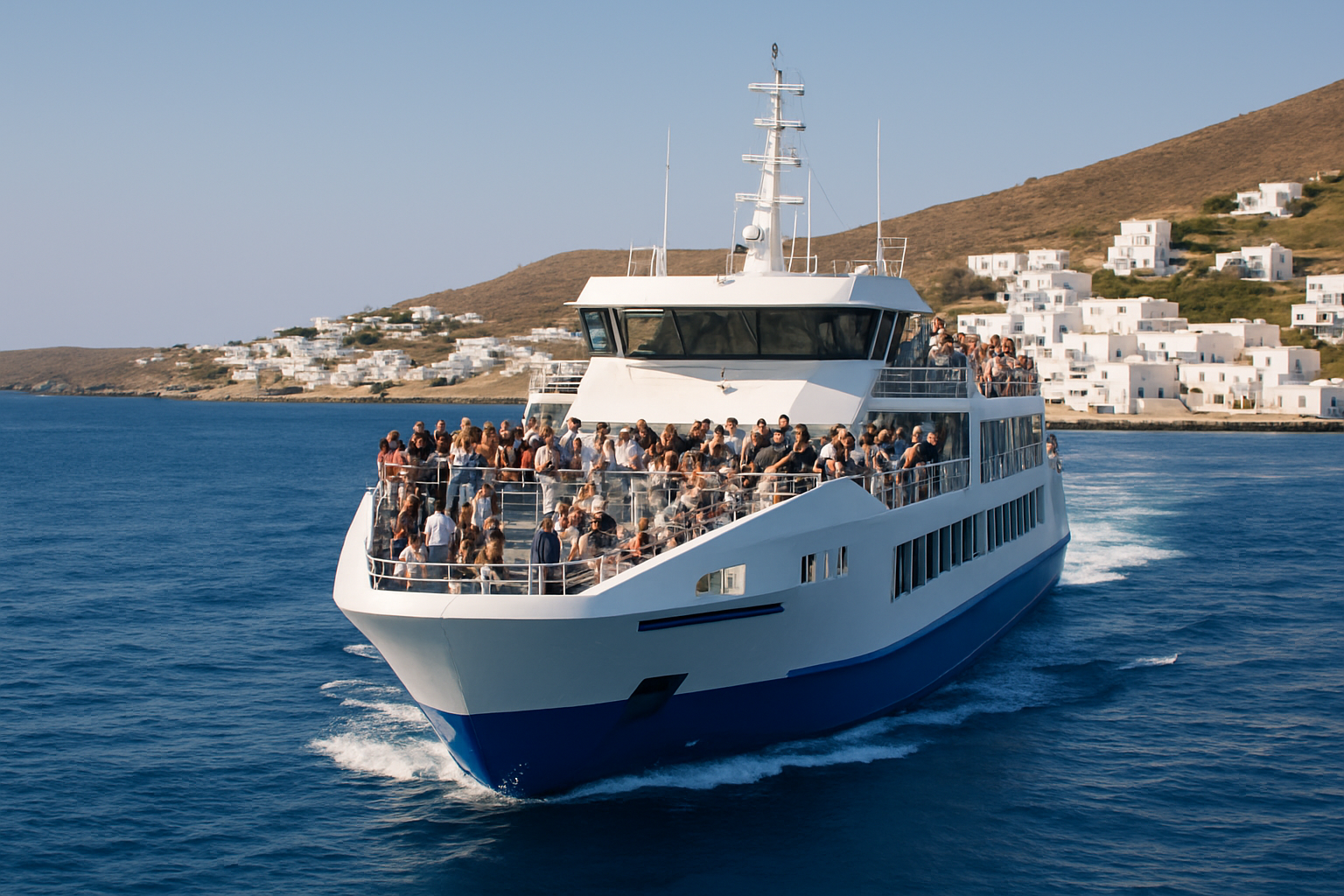
Cyprus is preparing to launch a significant maritime milestone with the opening of reservations for the new Limassol-Piraeus sea route, marking a crucial development in Eastern Mediterranean connectivity. This initiative comes as destinations worldwide seek to diversify transportation options and reduce dependency on volatile aviation networks that have experienced substantial disruption throughout 2026.
The maritime connection between Cyprus and Greece represents more than just an alternative route – it symbolizes the industry's evolution toward resilience and diversification. Cyprus achieved record-breaking performance in 2025 with 4.5 million visitors generating €3.6 billion in revenue through strategic market diversification, demonstrating how destinations can build sustainable tourism foundations even amid global uncertainties.
Aviation Industry Adapts to New Economic Realities
The aviation sector continues navigating complex challenges as fuel costs remain elevated following the unprecedented disruptions of March 2026, when over 18,000 flights were cancelled worldwide. Airlines have implemented emergency surcharges and route adjustments, with carriers like Norwegian Airlines deploying additional capacity after competitors reduced services due to unsustainable operational costs.
Industry experts note that jet fuel prices surged dramatically from $85-90 to $150-200 per barrel during peak crisis periods, forcing airlines to develop sophisticated fuel management strategies and alternative routing protocols. This transformation has accelerated the adoption of regional connectivity solutions and point-to-point services that reduce dependency on traditional hub-and-spoke models.
The crisis has also exposed vulnerabilities in travel insurance coverage, particularly regarding conflict-related cancellations. Standard policies exclude war-related disruptions, driving a fundamental shift toward package tours and comprehensive coverage frameworks over independent travel arrangements, reshaping how travelers approach international journeys.
Emerging Booking Patterns and Consumer Behavior
European travelers are increasingly embracing cost-conscious booking strategies and demonstrating heightened awareness of operational risks. The Lithuanian travel market analysis reveals growing sophistication in consumer decision-making, with safety credentials becoming primary factors in destination selection alongside traditional considerations of price and amenities.
Generation Z travelers, representing 50% of those taking multiple annual trips exceeding five days, are driving demand for AI-integrated travel planning combined with authentic cultural experiences. This demographic shift is encouraging destinations to balance technological innovation with cultural preservation, creating more meaningful engagement opportunities for international visitors.
The emergence of "anxiety-conscious" travel planning reflects broader industry maturation, with travelers seeking enhanced certainty in uncertain times. This trend has benefited destinations like Croatia, which operates Europe's most extensive seasonal healthcare network with 62 tourist medical clinics, positioning itself as a safe European alternative for security-conscious travelers.
Technology Integration in Destination Management
Leading destinations are implementing sophisticated visitor management systems that balance economic objectives with cultural preservation. Rome's Trevi Fountain managed access system generates €6 million annually through €2 fees while protecting the historic site from overcrowding, providing a sustainable template for heritage destination management.
Venice has expanded its entry fee system from 29 days in 2024 to 60 days in 2026, demonstrating dynamic pricing strategies for visitor flow management. These innovations represent the evolution toward quality-focused tourism strategies that prioritize visitor experience and community benefits over pure volume metrics.
Regional Cooperation and Infrastructure Investment
The global tourism industry is experiencing an unprecedented $570+ billion infrastructure surge, focusing on comprehensive visitor services beyond traditional accommodation. This investment extends to healthcare networks, transportation systems, digital infrastructure, and climate-resilient facilities designed to withstand conditions exceeding historical parameters.
Regional cooperation is replacing individual competition through coordinated marketing initiatives, shared infrastructure development, and multi-destination travel experiences. Central America, the Caribbean, and Mediterranean destinations are demonstrating how collaborative approaches benefit entire regions while maintaining distinct cultural identities.
Spain, with its capacity for 513.6 million annual tourist nights, has emerged as a major beneficiary of redirected demand from regions experiencing operational challenges. The country's established infrastructure and diversified tourism offerings position it advantageously in an environment where travelers prioritize reliability and authentic experiences.
Climate Resilience and Sustainable Development
Climate adaptation has become essential for destination competitiveness, with January 2026 marking the 18th consecutive month of temperatures exceeding 1.5°C above pre-industrial levels. Successful destinations are implementing proactive climate-resilient infrastructure rather than reactive responses to extreme weather events.
The industry transformation emphasizes sustainable community-focused development serving both visitors and host communities. Economic multiplier effects extend beyond hospitality to infrastructure improvements, cultural programming, workforce development, and artisan networks that support year-round employment and cultural preservation.
Quality-Focused Tourism Evolution
The crisis has accelerated the shift from volume-based to quality-focused tourism strategies. Destinations emphasizing cultural authenticity, comprehensive visitor services, and meaningful community involvement are positioned to emerge stronger from current challenges. This evolution reflects industry maturation toward sophisticated destination management combining economic objectives with cultural preservation and environmental responsibility.
Success factors consistently include enhanced visitor experiences through strategic infrastructure, authentic cultural preservation, international cooperation frameworks, and adaptive management responding to changing consumer preferences. Destinations balancing technological innovation with authentic experiences demonstrate greater resilience and competitive positioning.
Looking Forward: Industry Transformation
April 2026 represents a watershed moment establishing new tourism standards for crisis management, destination competitiveness, and sustainable development. The industry choice between maintaining global connectivity versus developing regionalized security-conscious travel patterns is defining the fundamental nature of international mobility in an interconnected yet volatile world.
Enhanced security screening, mandatory conflict insurance, and pre-approval for high-risk destinations are becoming permanent features of international travel. Route diversification remains urgent to reduce over-dependence on any single regional hub, with airlines and destinations developing more resilient operational models.
The Cyprus maritime initiative, combined with broader industry adaptations across aviation, accommodation, and destination management, demonstrates the sector's remarkable capacity for innovation and resilience. As the industry continues evolving toward quality-focused sustainable development, the template being established now will influence tourism patterns and practices for decades ahead.