The global travel industry is demonstrating remarkable resilience and innovation as destinations across Cyprus, New Zealand, and Panama unveil major infrastructure projects and unique hospitality experiences, signaling confidence in tourism's recovery trajectory amid ongoing operational challenges.
Mediterranean Recovery Takes Center Stage
Cyprus leads the Mediterranean recovery narrative with Paphos achieving full operational readiness for the 2026 tourism season. According to the Paphos regional board of tourism (Etap), approximately 25,000 hotel beds out of a total capacity of 30,000 will be operational by the end of March, representing an 83% capacity utilization rate that signals strong sector confidence.
The broader tourism ecosystem in the region is returning to normal operations, encompassing restaurants, attractions, museums, and tourism services. Airport connectivity demonstrates particularly robust performance, with around 95% of scheduled flights operating normally, ensuring smooth visitor access during the critical spring booking period.
This development occurs within the context of Cyprus achieving record tourism performance in 2025 with 4.5 million visitors generating €3.6 billion in revenue—a success story built on strategic market diversification and quality-focused approaches rather than volume-based growth strategies.
Innovative Hospitality Experiences Emerge Globally
New Zealand showcases the evolving landscape of experiential hospitality with Whittaker's unprecedented hotel initiative. The chocolate manufacturer has transformed the Michelin Key-awarded Hotel Fitzroy for its 130th anniversary celebration, creating what industry experts describe as a "chocolate lover's dream" experience.
This initiative represents a broader trend toward authentic, brand-integrated hospitality experiences that move beyond traditional accommodation models. The project demonstrates how established brands are expanding into tourism to create memorable, culturally resonant experiences that appeal particularly to Generation Z travelers seeking unique, Instagram-worthy destinations.
Panama Emerges as Luxury Marine Tourism Hub
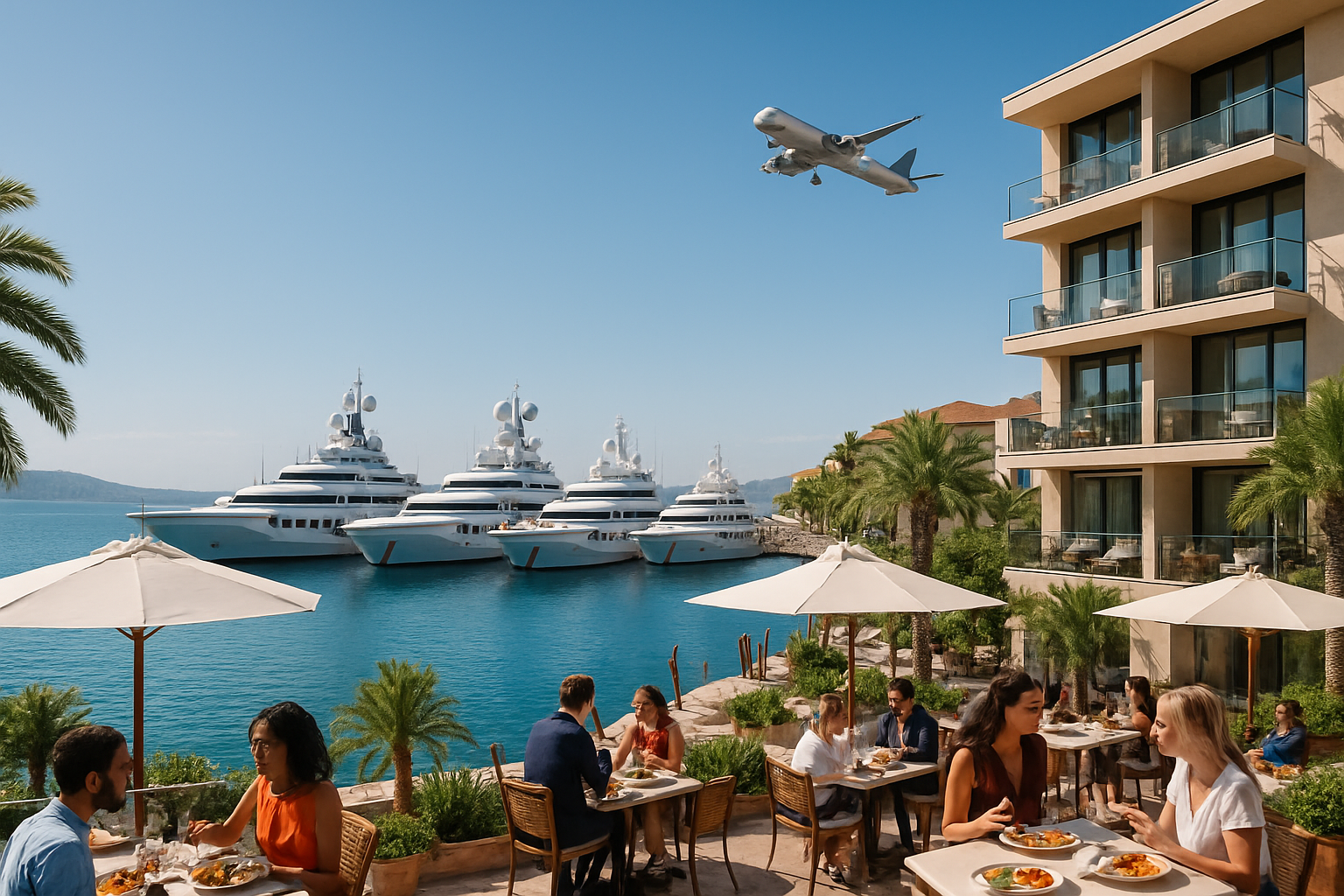
Perhaps the most significant development in luxury marine tourism comes from Panama, where Swedish marina specialist SF Group has unveiled ambitious plans for Port Amador, a transformative superyacht marina development. Positioned strategically at the Pacific entrance to the Panama Canal, the project will feature more than 350 deep-water berths capable of accommodating yachts over 120 meters.
The development signifies Panama's emergence as a major Eastern Pacific superyacht hub, supported by SF Marina's floating dock systems technology used in prestigious superyacht destinations worldwide. This represents a significant expansion into the Central American market for the Swedish firm, which is simultaneously preparing to launch Port Nimara in Anguilla in 2027.
The project's strategic significance extends beyond tourism to maritime trade facilitation. The concession granted to Amador Marina, SA remains secure after the company submitted performance bonds totaling $965,831 to guarantee project continuation, including a $657,930.98 performance bond and a $307,900 investment performance bond.
Tourism Destinations Showcase Cultural Heritage
Panama's tourism appeal extends beyond marine infrastructure to cultural experiences, as highlighted in recent international coverage emphasizing the country's evolution from canal-centric tourism to comprehensive destination marketing. The Central American nation offers travelers a diverse portfolio spanning historic colonial towns, pristine islands, and modern urban experiences in Panama City.
International travel writers note Panama's transformation from a simple transit point to a sophisticated destination offering "charming, pastel-hued old town" experiences alongside "sprawling" modern skylines that reflect Central America's fastest-growing economy. This positioning aligns with global trends toward authentic cultural immersion over standardized tourist experiences.
Industry Adapts to Changing Consumer Preferences
The developments across these diverse destinations reflect broader industry transformation patterns documented throughout 2026. The travel sector continues evolving from volume-based approaches toward quality-focused strategies that prioritize visitor satisfaction, cultural authenticity, and community engagement.
Technology integration plays an increasingly important role, with destinations implementing AI-powered travel planning systems while maintaining cultural authenticity. This balance appeals particularly to Generation Z travelers, who represent 50% of multiple annual trip-makers and drive demand for both digital convenience and genuine cultural experiences.
Infrastructure Investment Drives Competitiveness
These developments occur within a global tourism infrastructure investment surge exceeding $570 billion, supporting comprehensive visitor services beyond traditional accommodation. Croatia leads European innovation with 62 tourist medical clinics for 2026—the continent's most extensive seasonal healthcare network—while technology solutions like Rome's Trevi Fountain managed access system generate €6 million annually through sustainable crowd management.
Regional cooperation increasingly replaces individual destination competition, with coordinated marketing initiatives, shared infrastructure development, and multi-destination travel experiences benefiting entire regions. This collaborative approach proves particularly effective for smaller destinations seeking to compete with established tourism powerhouses.
Climate Resilience Becomes Essential
Climate adaptation requirements factor prominently into new tourism infrastructure planning, with January 2026 marking the 18th consecutive month of global temperatures exceeding 1.5°C above pre-industrial levels. Destinations investing in climate-resilient infrastructure while maintaining authentic cultural expressions position themselves advantageously for long-term competitiveness.
Success factors for modern tourism development include cultural authenticity preservation, strategic infrastructure enhancement, meaningful community involvement, international cooperation, and adaptive management responding to evolving consumer preferences and environmental challenges.
Looking Forward: Sustainable Growth Models
March 2026 represents a watershed moment for global tourism, establishing new standards for sustainable, community-focused development that serves both visitors and host communities effectively. The industry's maturation toward sophisticated destination management combining economic objectives with cultural preservation and environmental responsibility suggests promising prospects for destinations willing to invest in comprehensive, authentic experiences.
Economic multiplier effects extend well beyond hospitality to infrastructure improvements, cultural industry support, artisan networks, and year-round employment creation. Destinations successfully balancing growth with sustainability while maintaining cultural integrity appear positioned to emerge stronger from an increasingly complex global marketplace that demands innovation, authenticity, and adaptive management capabilities.
The developments in Cyprus, New Zealand, and Panama illustrate how diverse destinations can leverage unique assets—whether historical heritage, brand innovation, or strategic maritime positioning—to create compelling tourism experiences that resonate with modern travelers' evolving expectations for meaningful, memorable journeys.