The global travel and tourism industry demonstrates remarkable resilience in February 2026, showcasing innovative luxury experiences alongside adaptive crisis management strategies as destinations balance growth ambitions with emerging challenges from travel advisories to infrastructure demands.
Ultra-Luxury Cruising Redefines Boutique Travel
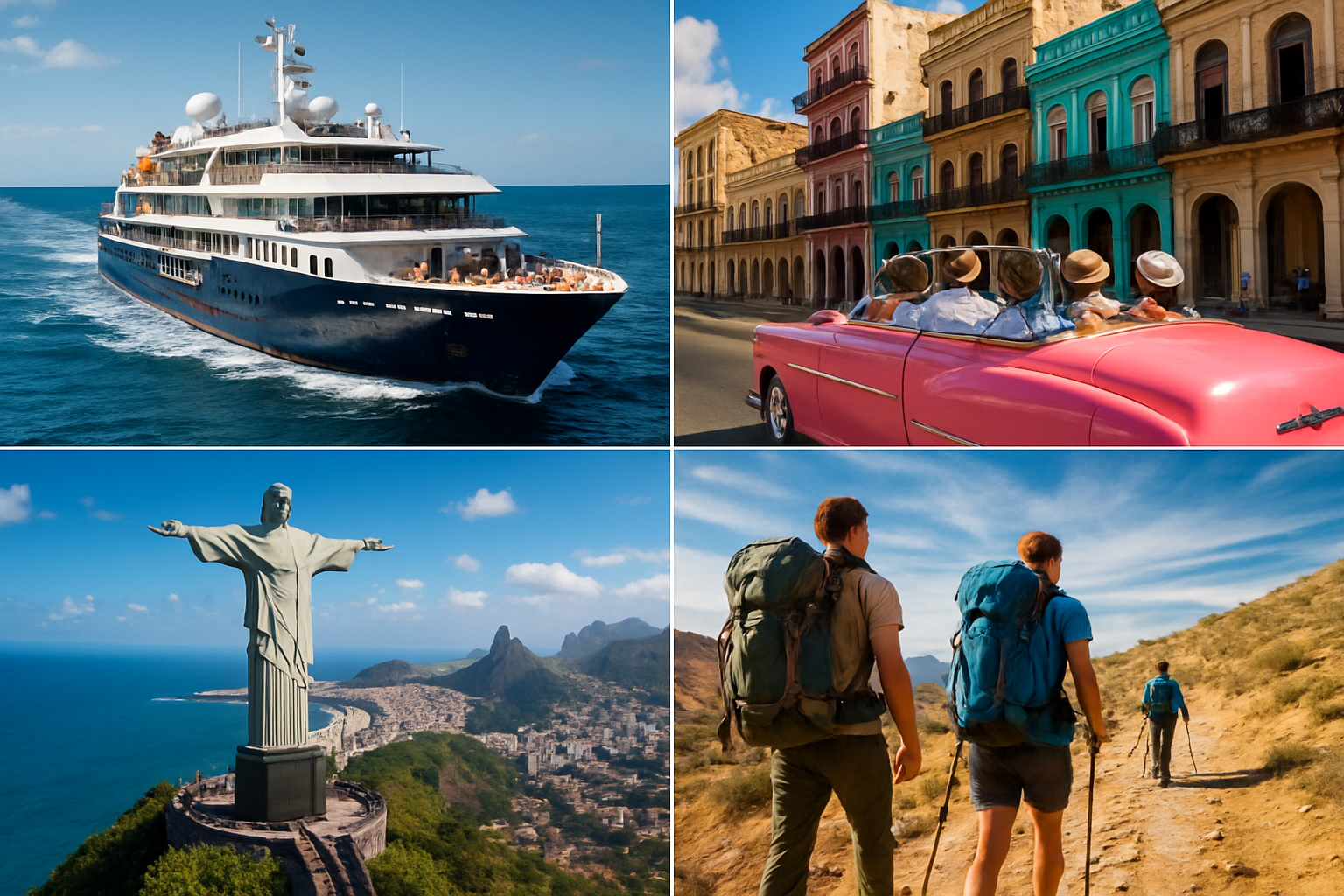
Australia's Aqua Expeditions has emerged as a standout in the ultra-luxury cruise sector by deliberately limiting capacity to just 30 guests per vessel. This boutique approach contrasts sharply with the industry trend toward massive ships carrying thousands of passengers, instead focusing on personalized service and intimate experiences that command premium pricing.
The company's philosophy of refusing to "go big" represents a strategic positioning in the luxury travel market, where discerning travelers increasingly seek exclusive, small-group experiences over conventional mass-market cruising. This model has gained traction particularly among affluent travelers seeking authentic cultural immersion and personalized service that larger vessels cannot provide.
Cuba Travel Advisory Creates Market Uncertainty
Canada's new travel advisory for Cuba has created significant disruption in the Caribbean tourism market, with the Canadian government warning travelers to exercise "high degree of caution" due to ongoing infrastructure challenges and supply shortages affecting basic goods and fuel availability.
The advisory has prompted dozens of Canadian travelers to reconsider their Cuban vacation plans, with many attempting to cancel bookings while others proceed with heightened awareness of potential challenges. Tourism operators report mixed responses, with some travelers successfully obtaining refunds while others face difficulties modifying their reservations.
"Since the federal government's new travel warning for Cuba, we've heard from dozens of travellers who say they've either cancelled their trips, are trying to without success, or are still going with the understanding that this year's trip could be challenging."
— CBC Travel Reporter
The situation reflects Cuba's broader tourism crisis, which has seen sharp declines in 2025 due to fuel shortages and basic goods availability issues. This contrasts with other Caribbean destinations that have maintained steady growth, highlighting the importance of infrastructure stability in destination competitiveness.
Adventure Tourism Thrives in North America
Hungarian photographer János Bődey's 22-day, 5,000-kilometer motorhome journey across America showcases the growing appeal of overland adventure tourism. His family's expedition to the Pacific Ocean included encounters with seals, coastal safaris, crab hunting, and exploration of burned forests, documenting the diverse landscapes and experiences available to independent travelers.
The journey culminated at the Pacific Ocean, where Bőday captured the "overwhelming blue" of the ocean and documented the region's natural attractions. This type of extended, self-directed travel has gained popularity among international visitors seeking authentic experiences beyond traditional tourist circuits, particularly appealing to European travelers exploring North America's vast wilderness areas.
Brazil Destination Marketing Focuses on Logistics
Rio de Janeiro has launched a comprehensive destination marketing campaign emphasizing the importance of proper planning for navigating the city's diverse attractions. The initiative recognizes that Rio can be "like a captivating samba – beautiful, but wild and exhausting for unprepared tourists."
The campaign promotes strategic approaches to experiencing Rio's iconic attractions, from Christ the Redeemer statue to dancing in Lapa's streets and relaxing on Ipanema beach. The emphasis on logistics and preparation reflects broader industry trends toward educating travelers about optimal destination experiences rather than simply promoting attractions.
This approach has become particularly important as destinations manage overtourism concerns while maintaining visitor satisfaction. By encouraging better planning and distributed visitation patterns, destinations can improve both visitor experiences and local community impacts.
Epic Walking Tourism Captures Global Attention
Two French adventurers completed an extraordinary 18-month walking journey from France to Shanghai, crossing 16 countries almost entirely on foot. This achievement highlights the growing interest in ultra-long-distance walking tourism and adventure travel that challenges conventional transportation methods.
The successful completion of such an ambitious overland journey demonstrates the infrastructure and logistical support now available for extreme adventure tourism. Their accomplishment has captured international attention and may inspire similar ultra-distance walking routes connecting major destinations across continents.
This type of slow travel appeals to adventurous tourists seeking meaningful cultural exchange and physical challenge, representing a niche but growing segment of the adventure tourism market that values experience over speed and comfort.
Industry Recovery Shows Mixed Regional Patterns
Global tourism recovery continues to show uneven patterns across regions, with Asian markets leading growth while other areas face various challenges. Singapore exceeded tourism revenue forecasts of $29-30.5 billion in the first three quarters of 2025, while Hong Kong expects a 6% increase in Chinese visitors during the Lunar New Year period.
The recovery is characterized by quality-focused strategies rather than volume-based approaches, with destinations prioritizing visitor experience and spending over pure arrival numbers. Infrastructure investment remains a critical success factor, with projects ranging from airport modernizations to enhanced transportation connectivity supporting previously underserved destinations.
Technology integration has become essential for successful destination management, exemplified by Rome's Trevi Fountain implementing a €2 entry fee system that generated €6 million annually while managing overcrowding. This model demonstrates how technology can address overtourism while generating revenue for heritage preservation.
Emerging Challenges Require Adaptive Management
The tourism industry faces ongoing challenges requiring sophisticated adaptive management strategies. Climate resilience has become a priority amid increasing weather disruptions affecting transportation networks and destination accessibility. The Cuba situation illustrates how political and economic factors can rapidly alter destination viability, requiring tour operators and travelers to remain flexible.
Success factors for 2026 include cultural authenticity, sustainable practices, enhanced visitor experiences, international cooperation, and climate-resilient infrastructure. Destinations that can balance economic objectives with community benefits, cultural preservation, and environmental sustainability are positioning themselves for long-term competitiveness in an increasingly complex global tourism landscape.