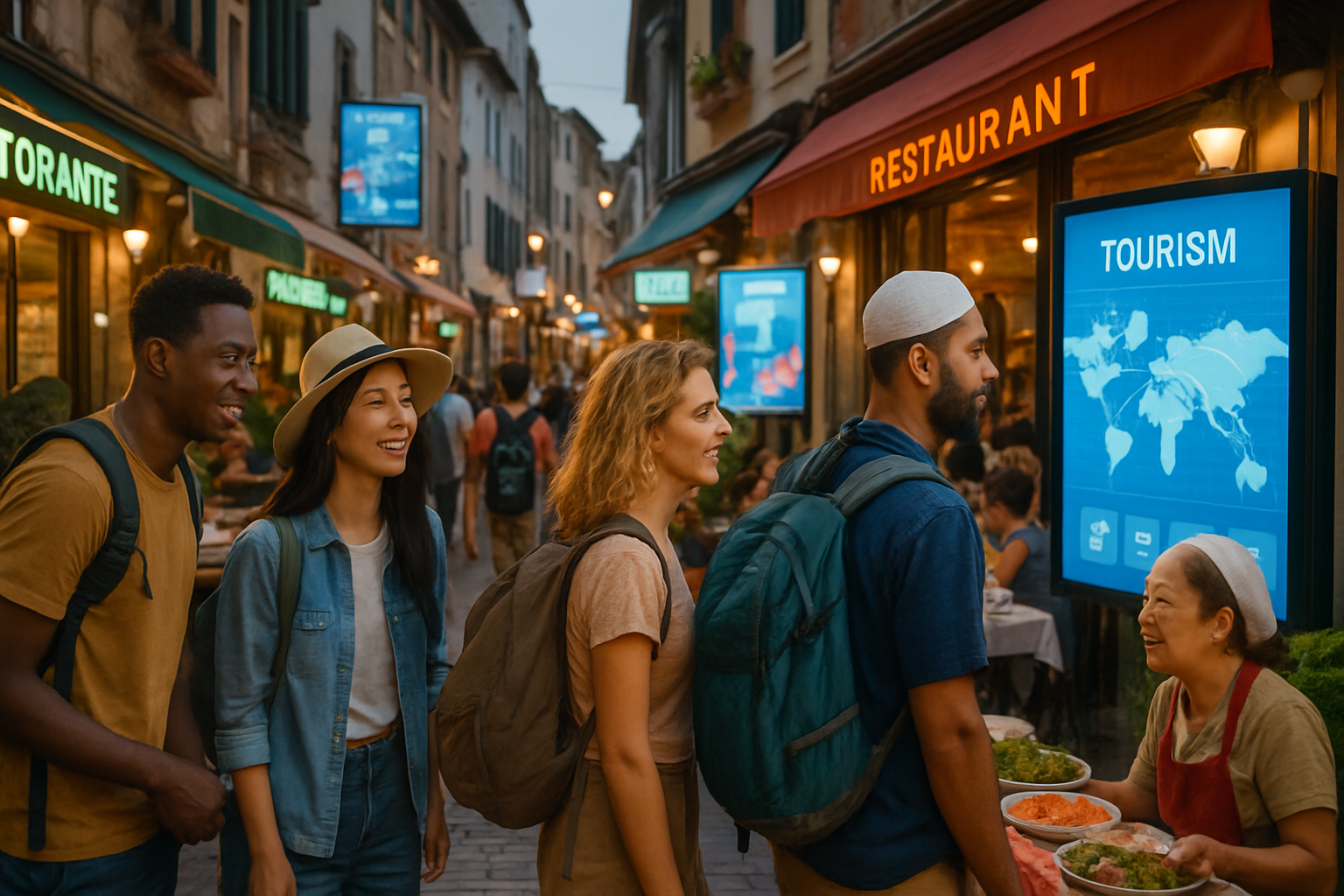
The global travel and tourism industry is experiencing unprecedented transformation as destinations worldwide reinvent themselves through culinary innovation, heritage adaptation, and strategic infrastructure development, while simultaneously addressing new challenges in visitor management and safety protocols.
Adelaide Emerges as Australia's Unexpected Culinary Capital
South Australia's capital has undergone a remarkable transformation, evolving from a produce-centric city to a sophisticated dining destination that's capturing international attention. Local chefs have joined forces with the region's exceptional agricultural foundation to breathe new life into Adelaide's dining scene, creating a culinary renaissance that positions the city as one of Australia's most underrated food destinations.
The city's success story represents a broader trend in the travel industry where authentic local experiences drive destination appeal. Adelaide's transformation demonstrates how cities can leverage their unique advantages—in this case, world-class produce—to create compelling tourism narratives that attract discerning travelers seeking genuine cultural experiences.
Heritage Hospitality: From Prison Cells to Luxury Suites
Western Australia is pioneering an extraordinary concept in heritage tourism with the conversion of one of the state's most notorious prisons into a luxury five-star hotel. The revitalized Convict Quarter represents a bold reimagining of historic preservation, where heritage-listed cells have been transformed into luxury suites complete with infrared saunas and sleek Asian fusion dining.
This innovative approach to adaptive reuse reflects the industry's growing sophistication in heritage tourism development. The project successfully balances historical authenticity with modern luxury expectations, creating a unique hospitality experience that attracts travelers interested in both comfort and cultural immersion.
"The transformation of historical sites into luxury accommodations represents the travel industry's maturation toward authentic, story-driven experiences that honor the past while serving contemporary needs."
— Tourism Industry Analysis, 2026
Central America's Cultural Tourism Renaissance
Panama is positioning itself as a premier cultural destination through events like the International Fair of David, scheduled for March 12-22, 2026. This 10-11 day commercial, agricultural, and cultural extravaganza showcases over 500 exhibitors and attracts more than 300,000 visitors, featuring livestock shows, artisan crafts, food vendors, and carnival rides.
The fair represents Central America's strategic evolution toward diversified tourism offerings that extend beyond traditional beach and adventure tourism. By highlighting agricultural heritage and cultural traditions, Panama is creating authentic experiences that appeal to travelers seeking meaningful engagement with local communities.
Regional Integration and Collaboration
The success of events like the David Fair demonstrates the growing importance of regional cooperation in tourism development. Countries throughout Central America are recognizing that collaborative marketing and shared cultural programming can create more compelling destination packages than isolated individual efforts.
Emerging Challenges in Popular Destinations
Despite the positive developments in heritage tourism and cultural programming, the industry faces significant challenges in destination safety and visitor management. Colombia's Caribbean coast is experiencing serious concerns about unauthorized boat operators illegally transporting tourists to Tayrona National Park, prompting maritime authorities to warn about the dangers of strong Caribbean waves turning any careless sea activity into a potential tragedy.
These safety challenges highlight the critical importance of proper tourism infrastructure and regulatory oversight as destinations experience increased visitor volumes. The situation at Tayrona underscores how rapid tourism growth can outpace safety protocols, requiring enhanced cooperation between tourism authorities and security agencies.
European Integration and Market Development
Brazil's Rio Grande do Sul interior cities are making strategic moves to compete for international tourists by participating in Portugal's BTL tourism fair in Lisbon. This initiative targets European travelers and demonstrates the sophisticated marketing strategies emerging destinations are employing to capture market share from established tourism centers.
The region's emphasis on its significant Italian and German immigrant communities provides authentic cultural connections that appeal to European visitors seeking heritage tourism experiences. This strategic positioning represents the industry's evolution toward niche marketing based on cultural authenticity and historical connections.
Technology and Infrastructure Investment
The travel industry's transformation is being accelerated by unprecedented infrastructure investment and technological integration. From digital booking systems to AI-powered travel planning, technology is enhancing rather than replacing authentic cultural experiences, enabling travelers to discover hidden gems while maintaining spontaneity in their journeys.
This technological evolution supports the industry's broader shift toward quality-focused strategies over volume-based approaches. Destinations are investing in comprehensive visitor support services, including advanced healthcare infrastructure, digital payment systems, and sophisticated crowd management technologies.
Economic Impact and Sustainability Focus
The economic multiplier effects of these tourism developments extend far beyond traditional hospitality sectors. Adelaide's culinary renaissance supports local farmers, vintners, and artisans. The Western Australian prison conversion creates specialized employment in heritage preservation and luxury hospitality. Panama's cultural fair supports agricultural producers, traditional crafts makers, and regional transportation networks.
This comprehensive economic impact reflects the industry's maturation toward sustainable development models that benefit entire communities rather than isolated tourism enclaves. The focus on authentic experiences creates meaningful employment opportunities while preserving cultural heritage and environmental resources.
Future Outlook and Industry Transformation
The developments across these diverse markets demonstrate the travel industry's fundamental transformation toward sophisticated destination management that balances economic objectives with cultural preservation and community benefits. Success increasingly depends on authentic experiences, strategic infrastructure investment, international cooperation, and adaptive management responding to changing consumer preferences.
As Generation Z travelers demand genuine cultural engagement and sustainable development models, destinations that can successfully integrate heritage preservation, culinary innovation, and safety protocols while maintaining authentic character are positioning themselves for long-term competitiveness in an increasingly sophisticated global marketplace.
The industry's evolution toward quality-focused strategies, supported by comprehensive infrastructure investment and international cooperation, suggests that 2026 will be remembered as a watershed year in tourism development, establishing new standards for destination competitiveness that prioritize visitor experience, community benefits, and cultural authenticity over simple volume metrics.