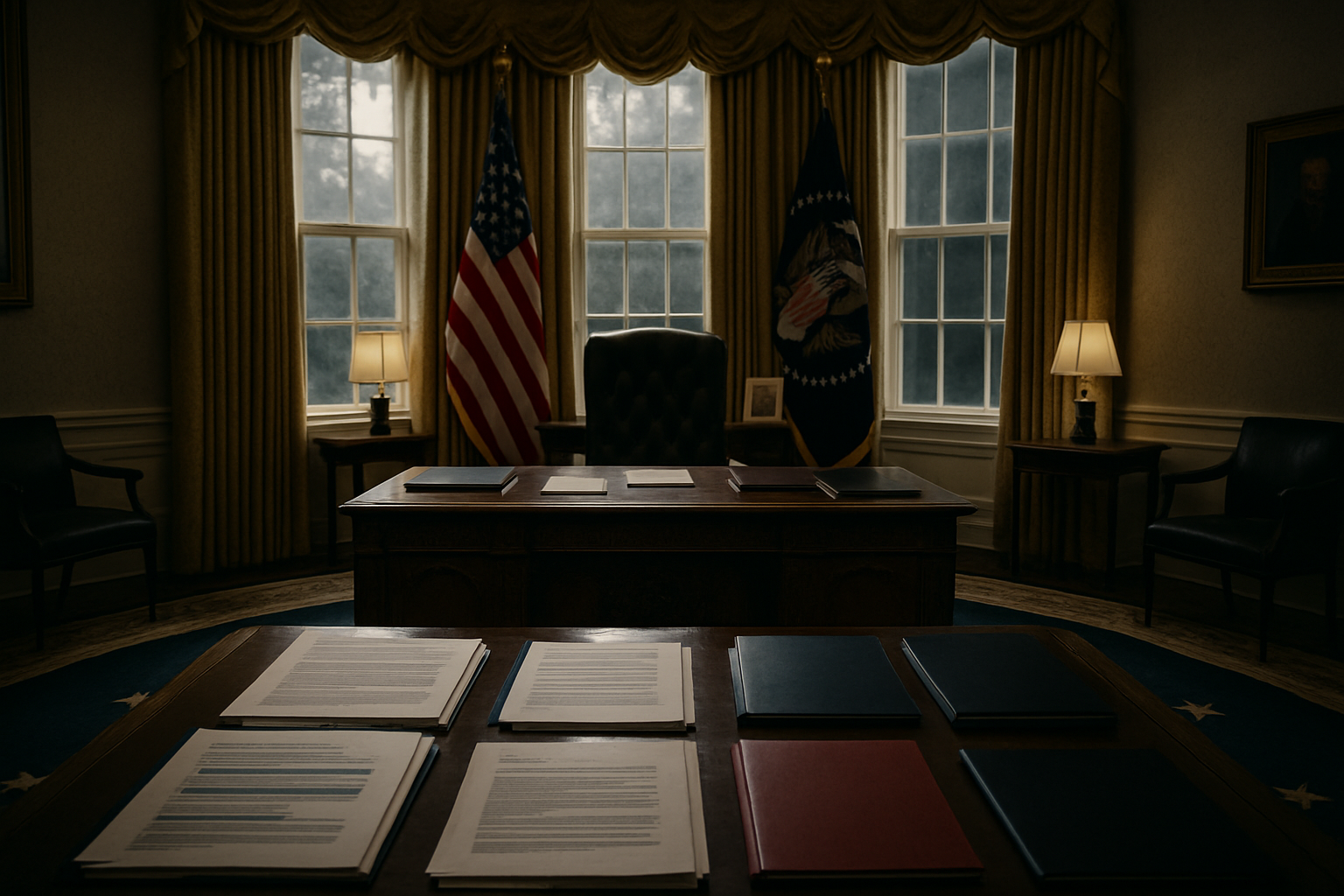
The Trump administration has unveiled a series of sweeping policy announcements that signal major shifts in defense spending, criminal justice, and international trade relations, drawing both support and criticism from allies and lawmakers.
Historic $1.5 Trillion Defense Budget Request
President Trump has submitted an unprecedented $1.5 trillion defense budget request for fiscal year 2027, representing a staggering 42% increase from current spending levels. The massive funding request, totaling an additional $445 billion, would constitute the largest military spending package in U.S. history if approved by Congress.
The administration justifies this historic increase as part of a broader "peace through force" strategy, reflecting heightened global tensions and the ongoing costs of military operations, particularly the costly Iran conflict known as Operation Epic Fury, which has already consumed over $27 billion in its first month alone.
"This investment represents America's commitment to maintaining unquestioned military superiority in an increasingly dangerous world."
— Senior Administration Official
The defense budget allocation comes alongside proposed cuts to non-military spending of approximately 10%, affecting programs in healthcare, education, and social services. This shift underscores the administration's emphasis on military capabilities over domestic programs.
Alcatraz Prison Reopening Initiative
In a surprising development, the White House has requested $152 million from Congress to cover the first-year costs of rebuilding the infamous Alcatraz prison into what officials describe as a "state-of-the-art secure prison facility." The Federal Bureau of Prisons would oversee the transformation of the historic San Francisco Bay island, which has served as a tourist attraction since its closure as a federal penitentiary in 1963.
The proposal represents a dramatic shift in federal corrections policy, with administration officials suggesting the facility would house "the most dangerous and hardened criminals." The initiative has drawn criticism from criminal justice reform advocates and historians who view Alcatraz's reopening as a step backward in prison reform efforts.
International Concerns
International partners have expressed reservations about the symbolic implications of reopening one of America's most notorious former prisons. European allies, already strained by various policy disagreements, view the move as potentially damaging to America's global image on human rights issues.
Pharmaceutical Import Tariffs Strain Allied Relations
The administration has implemented sweeping 100% tariffs on pharmaceutical imports, a move that has particularly impacted Australia and other key allies. Australian Health Minister Mark Butler condemned the decision as "deeply disappointing and deeply concerning," highlighting the strain on traditional partnerships.
The tariff policy extends beyond traditional trade disputes, affecting critical medical supply chains and potentially impacting global health cooperation initiatives. Industry analysts warn that the tariffs could lead to significant price increases for consumers and disrupt established pharmaceutical distribution networks.
European Alliance Tensions Escalate
Trump's relationship with European allies has reached new lows, with reports indicating he has "lost support of a key European ally" over various policy disagreements. The administration's unilateral approach to international relations, combined with pressure for increased defense spending commitments, has created unprecedented strain within NATO frameworks.
European leaders have privately expressed frustration with what they perceive as unpredictable policy shifts and insufficient consultation on decisions affecting mutual interests. The pharmaceutical tariffs, in particular, have been viewed as an example of economic pressure tactics that undermine traditional alliance cooperation.
Congressional Response and Political Implications
The comprehensive policy package has generated significant debate in Congress, with lawmakers from both parties raising questions about fiscal responsibility and strategic priorities. The massive defense spending increase faces scrutiny over cost-effectiveness and long-term sustainability, particularly given existing budget constraints.
Critics argue that the dramatic increases in military spending, combined with proposed domestic cuts, reflect misplaced priorities during a time when infrastructure, healthcare, and education systems require significant investment. Supporters counter that global security threats necessitate enhanced defense capabilities.
Administrative Justification
Senior administration officials defend the policy package as a necessary response to evolving global challenges. They argue that the defense spending increase reflects realistic assessments of current threats, while the Alcatraz reopening addresses growing concerns about prison capacity and public safety.
Regarding the pharmaceutical tariffs, officials claim the measures are designed to protect domestic pharmaceutical manufacturing and reduce dependence on foreign suppliers, despite criticism from health policy experts and international partners.
Implementation Challenges
The ambitious policy agenda faces significant implementation hurdles. The defense budget increase requires congressional approval and detailed justification of spending priorities. The Alcatraz prison project would need extensive environmental reviews, infrastructure development, and coordination with California state authorities.
International trade policies, including pharmaceutical tariffs, must navigate complex global supply chains and potential retaliatory measures from affected countries. Legal challenges are also expected from various stakeholder groups concerned about the policies' constitutionality and economic impact.
Global Strategic Implications
The policy announcements signal a broader shift in American strategic thinking, emphasizing unilateral decision-making over multilateral cooperation. This approach has implications for longstanding alliance relationships and international cooperation frameworks that have defined post-World War II global governance.
Security analysts suggest that while enhanced defense capabilities may strengthen America's military position, the diplomatic costs of strained alliance relationships could undermine broader strategic objectives. The challenge lies in balancing national security priorities with the need to maintain international partnerships essential for addressing global challenges.
Economic and Social Impact
The combined effect of these policies represents a fundamental reorientation of federal priorities and resources. The defense spending increase would stimulate military-industrial sectors while potentially reducing funding for social programs. The pharmaceutical tariffs may increase healthcare costs for consumers while protecting domestic manufacturers.
Economic experts predict that the policies will have far-reaching effects on both domestic markets and international trade relationships. The long-term consequences will depend on successful implementation and the international community's response to these significant policy shifts.
Looking Ahead
As these major policy initiatives move through the legislative and implementation process, their success will largely determine the trajectory of the Trump administration's second term. The ability to balance domestic priorities with international relationships while maintaining fiscal responsibility will be crucial for long-term policy sustainability.
The coming months will reveal whether these ambitious policy changes can achieve their stated objectives without compromising America's broader strategic interests and international standing. The stakes are high for both domestic governance and global stability as these transformative policies take shape.