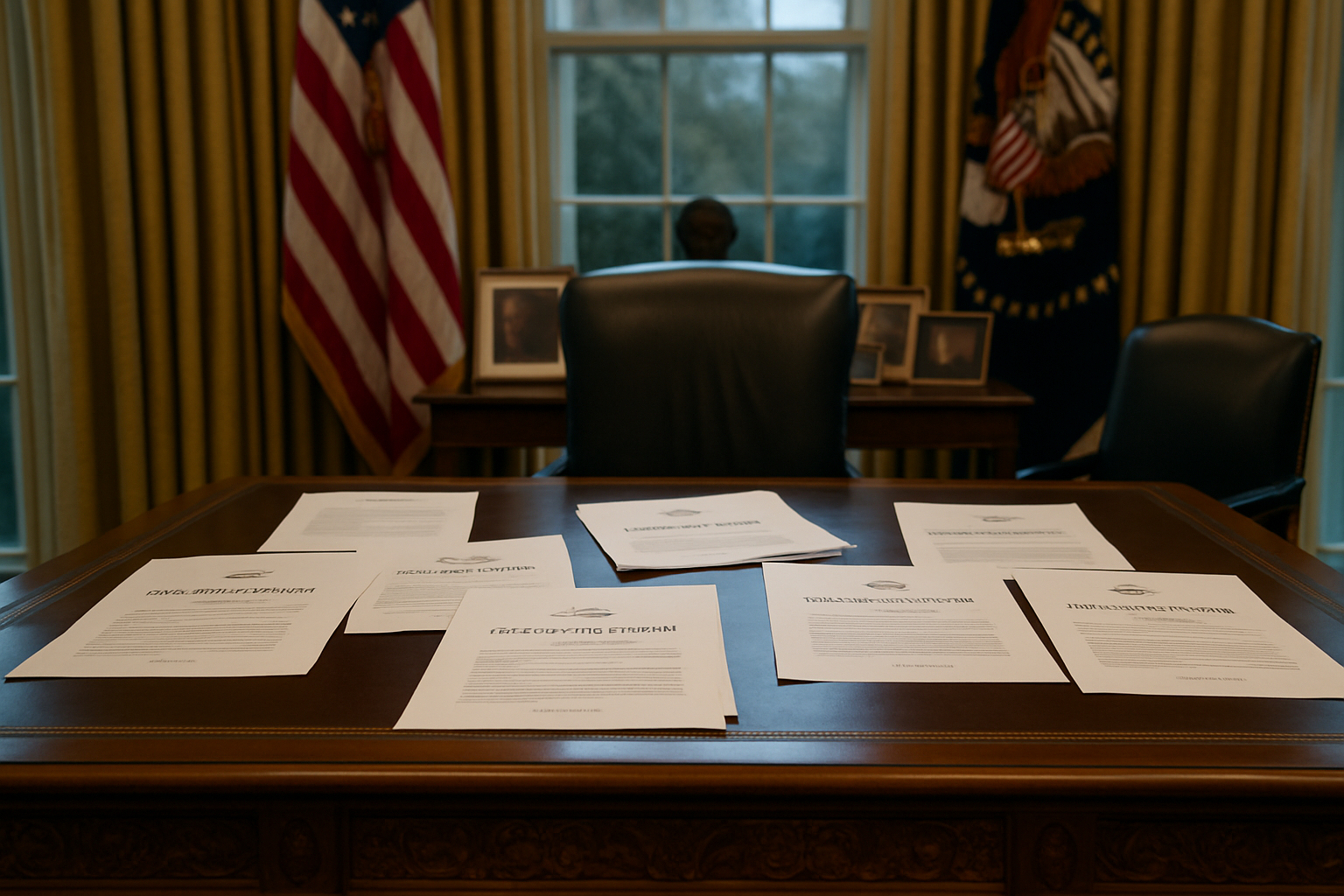
The Trump administration announced sweeping policy changes in April 2026, including a controversial proposal to spend over $220 million reopening Alcatraz as a federal prison facility while implementing significant personnel changes across multiple government departments.
The White House budget proposal, released overnight on April 3rd, included the historic request to transform the iconic San Francisco Bay tourist attraction back into "a functioning federal prison." The proposal represents part of a broader billion-dollar investment package aimed at repairing what the administration termed "crumbling detention facilities" and increasing compensation for correctional officers nationwide.
Alcatraz Prison Reopening Initiative
The $220 million allocation would fund the conversion of Alcatraz Island, which has served as a popular tourist destination since its closure as a federal prison in 1963, back into a state-of-the-art correctional facility. The proposal comes as part of the administration's broader criminal justice approach, targeting what officials describe as housing for "the most dangerous and hardened criminals."
The Federal Bureau of Prisons would oversee the ambitious transformation project, which would require extensive environmental reviews, infrastructure development, and coordination with California state authorities. Critics have characterized the symbolic move as a step backward in prison reform efforts, while supporters argue it addresses critical detention capacity needs.
Key Personnel Appointments
Simultaneously, President Trump announced the appointment of Vice President JD Vance as the nation's "Fraud Czar," a newly created position designed to combat what the administration identifies as widespread fraudulent activities across various sectors. The appointment, announced Friday, represents Vance's expanded role beyond his traditional vice presidential duties.
The personnel changes come amid ongoing reshuffling within the administration, with reports suggesting additional high-level appointments may be forthcoming. The administration has emphasized its commitment to placing trusted officials in key positions to advance its policy agenda effectively.
Attorney General Transition
Adding to the administrative changes, sources indicate significant developments within the Justice Department leadership structure. These shifts reflect the administration's ongoing efforts to align departmental priorities with broader policy objectives, particularly regarding law enforcement and prosecutorial strategies.
The Justice Department changes occur against the backdrop of mounting legal challenges facing the administration, including federal court resistance to various policy initiatives and congressional oversight demands across multiple fronts.
Congressional and Public Response
The Alcatraz proposal has drawn mixed reactions from lawmakers, with some Republicans supporting the administration's tough-on-crime approach while Democrats question the allocation of resources and the symbolic implications of reopening the historic facility. The proposal requires congressional approval as part of the broader federal budget process.
Environmental groups and California officials have raised concerns about the impact on San Francisco Bay's ecosystem and the disruption to one of the region's most popular tourist attractions. The National Park Service, which currently manages Alcatraz as part of Golden Gate National Recreation Area, has not yet commented on the proposal.
Budget and Resource Implications
The prison reopening proposal forms part of a comprehensive approach to federal detention facility upgrades nationwide. The administration argues that current facilities face overcrowding and deteriorating conditions that compromise both security and rehabilitation efforts.
The billion-dollar investment package extends beyond Alcatraz to encompass facility improvements, technology upgrades, and personnel compensation increases across the federal correctional system. Officials project the improvements will enhance both operational efficiency and officer retention rates.
International Context
These domestic policy announcements come as the administration manages complex international relationships and ongoing diplomatic challenges. The personnel changes and budget priorities reflect the administration's focus on domestic law enforcement while maintaining significant international commitments.
International observers note the contrast between the administration's domestic criminal justice approach and its diplomatic engagement strategies, particularly regarding human rights discussions in bilateral relationships.
Implementation Timeline
If approved by Congress, the Alcatraz project would require extensive planning and construction phases, with officials estimating a multi-year timeline for full operational capacity. The complex logistical challenges include transportation infrastructure, utility systems, and security protocols for the island location.
The Federal Aviation Administration would need to approve airspace modifications, while the Coast Guard would coordinate maritime security measures. Environmental impact assessments could add additional months to the planning process, potentially affecting the project's timeline and final costs.
Looking Forward
The administration's April 2026 policy announcements signal continued commitment to transformative approaches across multiple government departments. The combination of personnel changes and major infrastructure proposals reflects broader strategic priorities entering the latter half of the presidential term.
Congressional consideration of the budget proposals will likely extend into the summer months, with committee hearings expected to examine both the financial implications and policy justifications for the various initiatives. The outcomes will significantly influence the administration's ability to implement its vision for federal law enforcement and correctional systems.
These developments underscore the administration's focus on institutional changes and policy implementation as key priorities for the remainder of the term, setting the stage for continued political debate over the direction of federal agencies and resource allocation.