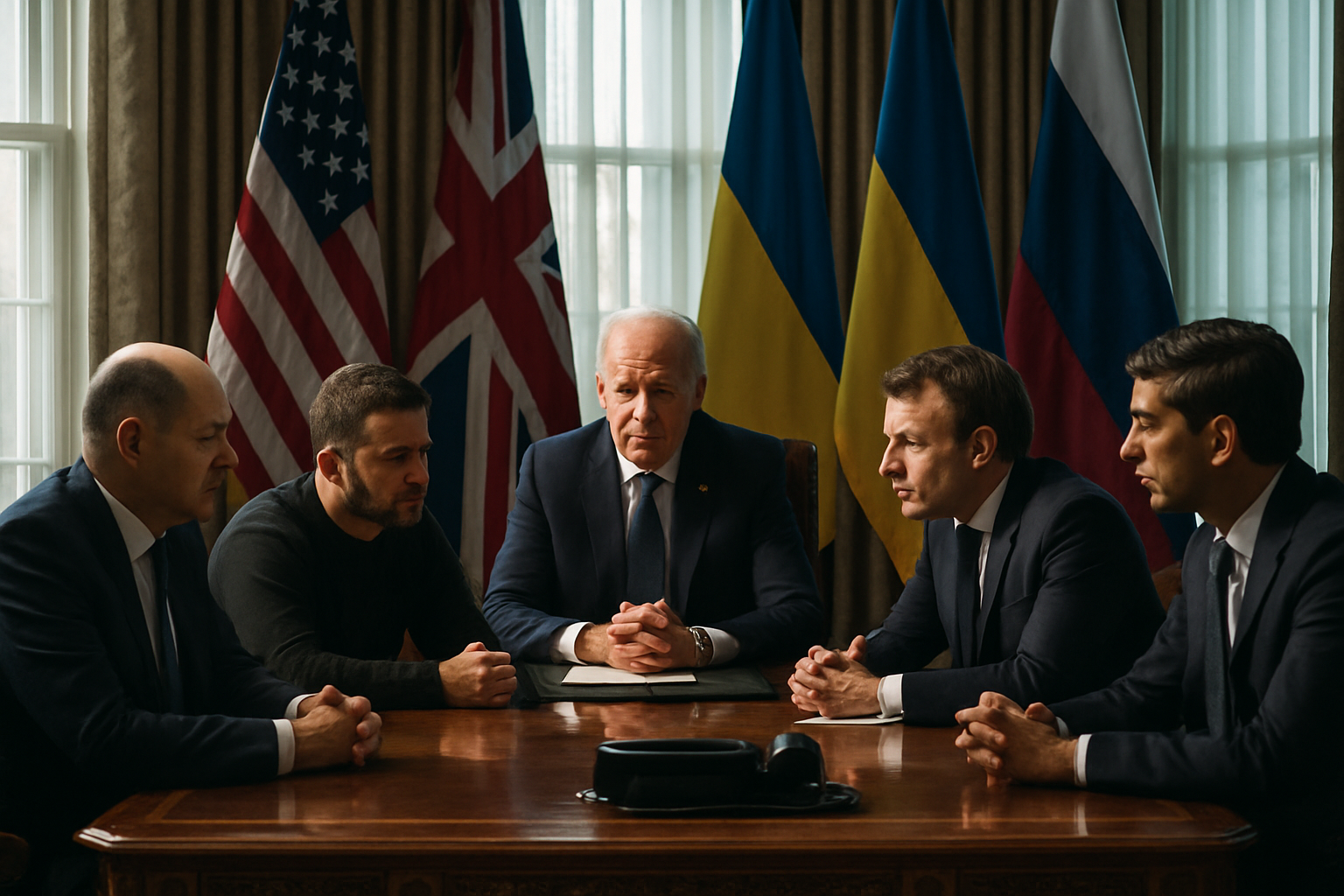
The Trump administration is implementing a series of unprecedented policy shifts that are fundamentally reshaping America's international relationships, from escalating tensions with Cuba and Iran to major immigration enforcement changes that have sparked congressional pushback and international concern.
Cuba Policy Reaches New Heights of Aggression
President Trump has dramatically escalated his rhetoric toward Cuba, suggesting the United States could pursue a "takeover" of the island nation. Speaking to reporters, Trump declared he could "do anything I want with it" regarding Cuba, as the island faces massive power cuts and economic crisis following U.S. oil blockade measures.
According to German and Israeli sources, the Trump administration is actively pursuing the removal of Cuban President Miguel Díaz-Canel from power. The New York Times reports that during negotiations, American officials have made it clear that Cuba's president must step down, though they are leaving subsequent steps to Cuban discretion. This represents the most direct U.S. intervention in Cuban internal affairs since the 1960s.
"They have no money, they have no oil, they have nothing," Trump stated, describing Cuba's current economic predicament.
— President Trump on Cuba's economic situation
The island nation is experiencing its worst crisis since the 1990s Special Period, with widespread blackouts affecting millions of residents and critical fuel shortages paralyzing daily life. Trump's policies have effectively isolated Cuba economically, creating what European observers have characterized as a "deliberately engineered humanitarian emergency."
Treasury Sanctions Target Critics and Reward Allies
The Trump administration is systematically using Treasury sanctions as a tool to punish foreign critics while rewarding political allies, according to NPR analysis. Colombian President Gustavo Petro, Brazilian Supreme Court minister Alexandre de Moraes, and UN special rapporteur Francesca Albanese have all faced sanctions for criticizing U.S. or Israeli actions.
This marks a significant shift in how America deploys its financial warfare capabilities. Previously, Treasury sanctions typically targeted clear security threats or human rights violators. Now, the administration appears to be using these tools to silence international criticism and diplomatic opposition.
The pattern has raised concerns among European allies about the weaponization of America's financial system for political purposes. Spain's Prime Minister recently called U.S. strikes against Iran "unjustified," language that has previously triggered Treasury sanctions against other foreign officials.
Immigration Enforcement Faces Major Setbacks
The administration's aggressive immigration policies are encountering unprecedented resistance from multiple fronts. A rookie ICE agent's paperwork error led to the wrongful detention of an individual for several days, highlighting systemic problems in the agency's training and procedures.
The incident reflects broader issues with ICE enforcement under the Trump administration. The agency has reduced training hours for key documentation procedures by two-thirds compared to previous standards, leading to increased errors and constitutional violations.
Congressional Republicans are beginning to express concerns about the administration's immigration tactics. Several GOP members have privately questioned the effectiveness and constitutional validity of current enforcement methods, though public criticism remains limited.
International Relations Under Strain
The administration's approach to international relations continues to prioritize bilateral negotiations backed by economic pressure over traditional multilateral frameworks. This strategy, which Trump officials term "business-style diplomacy," has yielded mixed results across different regions.
With Iran, negotiations have largely stalled despite initial optimism. The administration's demand for "unconditional surrender" and Trump's claims that he personally could choose Iran's next Supreme Leader have eliminated diplomatic pathways that might have existed earlier.
European allies are increasingly concerned about America's reliability as a partner. The administration's tendency to combine diplomatic outreach with simultaneous economic threats has created uncertainty about U.S. intentions and commitments.
Congressional Opposition Grows
Bipartisan congressional resistance to Trump's foreign policy approach is intensifying. Lawmakers are demanding greater oversight of sanctions policies, immigration enforcement methods, and military deployments overseas.
Democratic leaders have threatened to block funding for various administration initiatives unless "drastic changes" are implemented in enforcement procedures. Some Republicans have begun joining these calls, particularly regarding ICE operations and constitutional concerns.
"We need accountability measures that protect both national security and constitutional rights," said one Republican congressman who requested anonymity.
— Anonymous Republican Congressman
The House has scheduled extensive hearings on immigration enforcement practices, with particular focus on training standards and accountability mechanisms. These sessions are expected to examine the systematic changes that have led to increased enforcement errors and constitutional violations.
Economic Warfare as Diplomatic Tool
The Trump administration has elevated economic pressure tactics to unprecedented levels, using trade restrictions, sanctions, and financial system access as primary diplomatic weapons. This approach has achieved some successes, particularly in reshaping relationships with Latin American nations.
However, critics argue that these tactics are undermining international law and creating dangerous precedents for economic coercion. The systematic targeting of small nations like Cuba demonstrates how larger powers can use economic dominance to influence internal political arrangements.
International law experts warn that the current approach may normalize "collective punishment" strategies that affect entire populations rather than just political leadership. This raises questions about humanitarian principles and territorial sovereignty in the modern international system.
Looking Forward: Sustainable Diplomacy Questions
The administration's policy shifts represent a fundamental departure from post-World War II diplomatic norms. The emphasis on bilateral pressure over multilateral cooperation, economic coercion over negotiation, and public threats over quiet diplomacy marks a historic change in American foreign policy approach.
Success in some areas, particularly regarding energy partnerships and regional security arrangements, demonstrates the potential effectiveness of Trump's methods. However, failures in nuclear diplomacy and growing international resistance suggest significant limitations to this approach.
The sustainability of these policies beyond Trump's presidency remains questionable. International partners are beginning to develop alternative frameworks that reduce dependence on U.S. economic and political systems, potentially limiting America's future leverage.
As the administration continues implementing these sweeping changes, the international community watches closely to determine whether this represents a temporary deviation from established norms or a permanent shift in how global powers conduct diplomacy in the 21st century.