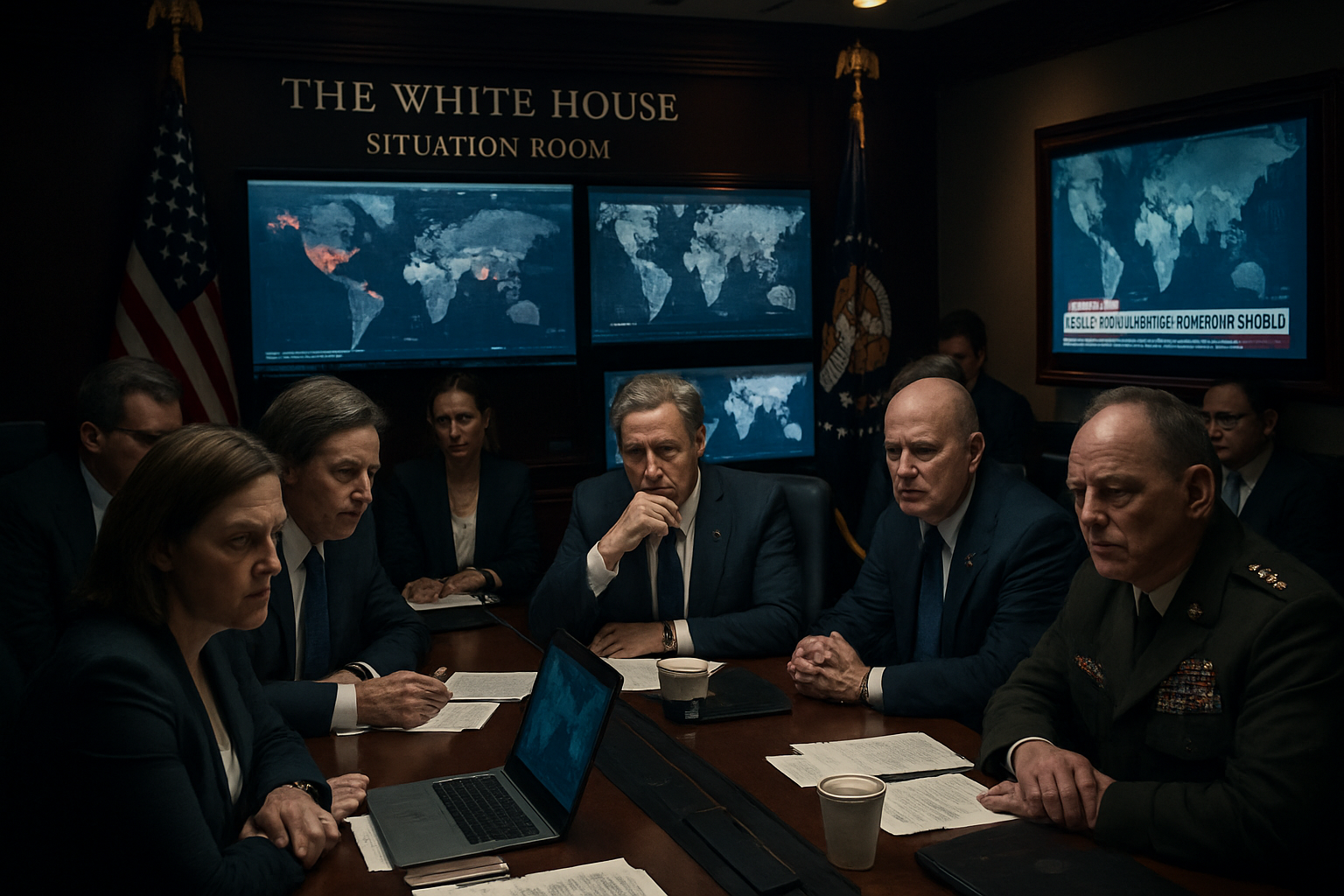
The Trump administration has implemented a series of dramatic policy changes across multiple fronts, including unprecedented threats against media outlets, the controversial blacklisting of AI company Anthropic, and the postponement of a critical summit with China, all while managing the ongoing Iran crisis that has strained international alliances.
Media Under Fire: "Unpatriotic" Coverage Challenged
In perhaps the most concerning development for press freedom advocates, President Trump has escalated his rhetoric against American media outlets covering the Iran war, labeling criticism of military operations as "unpatriotic." German media reports indicate the administration is threatening news organizations that Trump claims are spreading "fake news" about the ongoing Operation Epic Fury.
This media pressure campaign represents a significant escalation from previous Trump administration tactics, occurring amid the most dangerous international crisis since the Cold War ended. The Iran conflict, which began March 1 following the collapse of promising nuclear talks, has resulted in over 18,000 flight cancellations worldwide and oil prices surging past $80 per barrel.
"For US-President Trump, criticism of the Iran war is 'unpatriotic.' That's why he threatens media that spread what he considers 'fake news,'"
— German news analysis
Anthropic Blacklisted Over AI Safety Guardrails
In a move that has sent shockwaves through Silicon Valley, the US defense secretary has designated artificial intelligence company Anthropic as a "supply chain risk" after the firm refused to remove safety guardrails on its technology. The blacklisting represents the first time the Trump administration has targeted a major AI company for maintaining ethical restrictions on military applications.
Sources indicate that Anthropic's leadership refused Pentagon requests to modify their AI systems' built-in safety measures, which are designed to prevent potential misuse in military or surveillance applications. The company is now defending the decision in federal court, arguing that removing these guardrails would compromise public safety and violate their founding principles.
This action comes as the administration faces broader questions about technology governance and the balance between national security and corporate autonomy in the rapidly evolving AI sector.
China Summit Postponed as Iran Crisis Takes Priority
President Trump has delayed his scheduled March 31-April 2 Beijing summit with Chinese President Xi Jinping by approximately one month, citing the urgent need to focus on the Iran crisis. The postponement represents a significant diplomatic setback for US-China relations during what experts are calling the most dangerous international crisis since the Cold War.
The summit was originally intended to address trade relations, Taiwan tensions, and technology cooperation, building on what Trump described as an "excellent" February 4 phone call with Xi. However, the escalating Middle East conflict, which has seen Iranian attacks on European territory for the first time since World War II, has forced a reorganization of American diplomatic priorities.
Singapore-based analysts suggest Trump's abrupt schedule change may reinforce Beijing's view of Washington's unpredictability, even as China looks to turn the disruption to its advantage in ongoing trade negotiations.
Strained Allied Relationships
The policy shifts come amid unprecedented tensions with traditional allies over the Iran conflict. Trump has publicly criticized NATO partners after European leaders delivered a crushing refusal to send warships to help secure the Strait of Hormuz, which handles 40% of global oil transit.
Australian sources report Trump lumping their country in with NATO allies he considers to be making "very foolish mistakes," declaring that America doesn't "need or desire" Australia's help in the ongoing Hormuz crisis. This represents a dramatic departure from traditional alliance management and has raised concerns about long-term relationships with Pacific partners.

Growing Congressional and Public Opposition
The administration's policy shifts occur against a backdrop of mounting domestic political pressure. Congressional scrutiny has intensified over the Iran war strategy, with bipartisan lawmakers demanding answers about costs, exit plans, and the potential for ground troop deployment.
Senator Richard Blumenthal has expressed being "more concerned than ever" about the possibility of boots on the ground, while the conflict maintains historically low public support at just 25% approval among Americans. This unpopularity is being described by political analysts as "almost unprecedented" for a major military operation in its early stages.
Some Trump supporters are beginning to express doubts about the administration's approach. Carrie Prejean Boller, a longtime Trump supporter appointed to a commission by the president, recently declared that "MAGA is dead," stating she no longer recognizes the current direction of the movement.
International Law and Democratic Institutions Under Strain
The cumulative effect of these policy changes has raised broader questions about American commitment to international law and democratic norms. European officials have privately expressed concerns about the precedents being set, particularly regarding media freedom and alliance obligations.
The timing is particularly sensitive given ongoing efforts to maintain Western unity during the Ukraine conflict and broader challenges to the post-World War II international order. Germany's defense minister has questioned what European allies could contribute that "the powerful US Navy cannot," highlighting the growing disconnect between American expectations and allied capabilities or willingness to participate.
Economic and Strategic Implications
These policy shifts are occurring during a period of significant economic disruption caused by the Iran crisis. Beyond the aviation and energy sector impacts, major shipping companies have suspended operations in the Persian Gulf, stranding over 150 tankers worth billions in cargo.
The postponement of the China summit also comes at a crucial moment for trade relations, particularly after the Supreme Court struck down Trump's global tariff authority in February. The administration had been hoping to use the Beijing meeting to establish new economic arrangements within constitutional constraints, but the Iran crisis has forced a recalibration of priorities.
Looking Forward: Template for Future Governance?
Political analysts are viewing these policy changes as potentially template-setting for 21st-century American governance approaches. The combination of media pressure, technology sector regulation, alliance management challenges, and crisis response coordination represents a comprehensive test of democratic institutions and international partnerships.
The success or failure of this approach will likely influence not only the remainder of the Trump presidency but also future administrations' approaches to similar challenges. The stakes extend beyond immediate policy outcomes to fundamental questions about American leadership style in an increasingly multipolar world.
"The Trump administration's approach represents a fundamental departure from post-WWII diplomatic norms, emphasizing bilateral pressure over multilateral cooperation,"
— International Relations Analysis
Conclusion: Critical Juncture for American Leadership
As these policy changes unfold simultaneously across multiple domains, the Trump administration faces a critical test of its governing philosophy and international approach. The combination of domestic political pressure, strained alliances, and ongoing global crises creates an environment where traditional diplomatic and policy frameworks are being stretched to their limits.
The coming weeks will likely determine whether this comprehensive policy shift represents a sustainable new model for American engagement or a temporary deviation that will require recalibration. International partners are closely monitoring these developments as they make their own strategic calculations about reliability, partnership, and the future of Western coordination in addressing global challenges.
The ultimate measure of success will be whether these policy changes achieve their stated objectives while preserving the institutional foundations and international relationships that have underpinned American influence for decades.