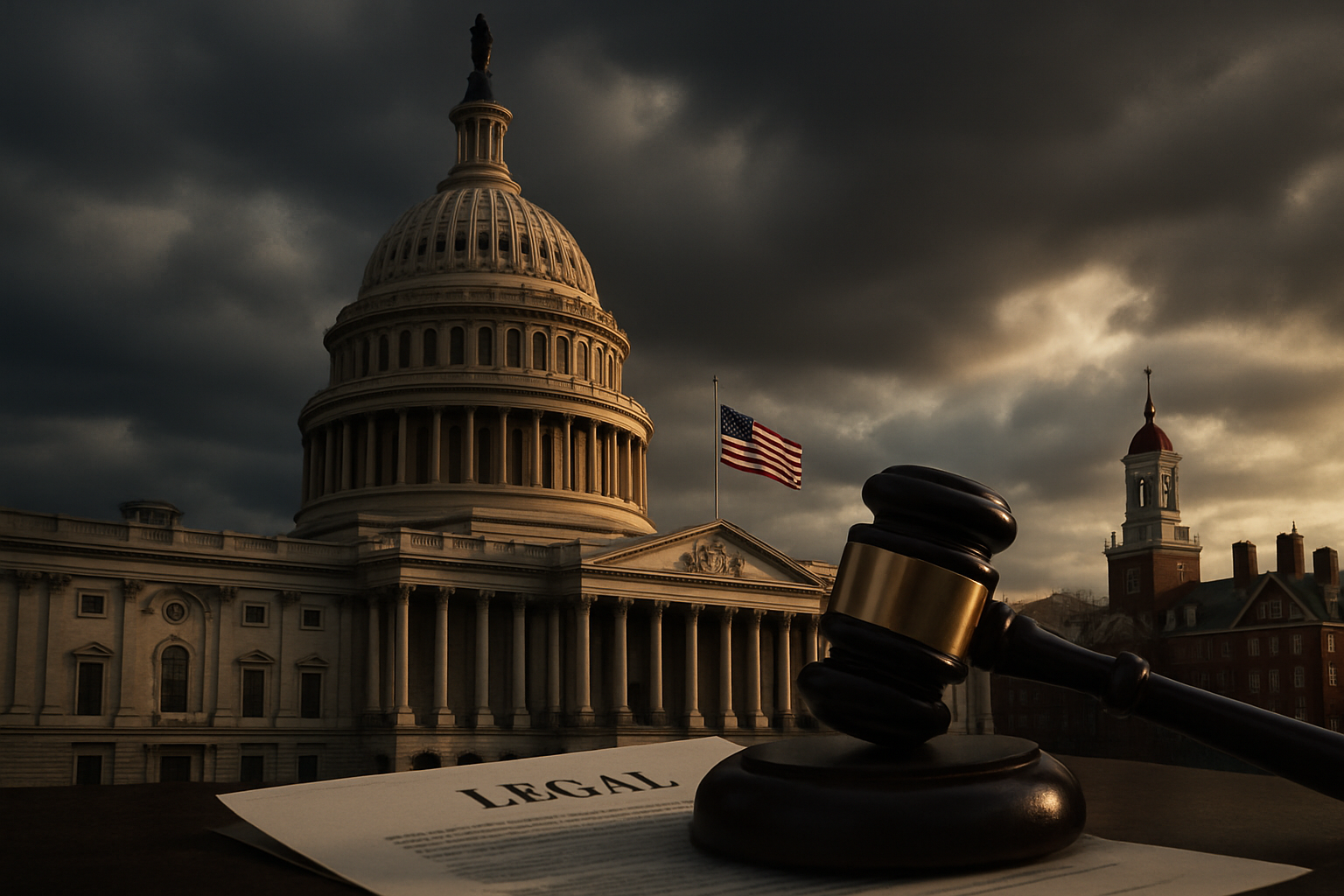
The Trump administration is confronting a cascade of legal and political challenges across multiple fronts, as civil rights organizations file federal lawsuits over immigration policies while President Trump simultaneously pursues a billion-dollar damages claim against Harvard University and calls for federal control of state elections.
Massive Lawsuit Challenges Immigration Visa Suspensions
A coalition of U.S. citizens and immigrant rights organizations filed a comprehensive federal lawsuit on February 3, 2026, challenging the Trump administration's decision to suspend immigrant visa processing for nationals from 75 countries. The legal complaint argues that the administration relied on "misleading claims about migrants" and unlawfully disrupted established immigration procedures, affecting thousands of families seeking legal entry into the United States.
The National Immigration Forum and other advocacy groups contend that the visa suspension policy lacks proper legal justification and violates due process protections. The lawsuit comes amid a broader crackdown on immigration that has already resulted in high-profile detention cases, including the detention of five-year-old Liam Conejo Ramos and his father in Minneapolis, which sparked widespread protests before their court-ordered release.
Legal experts note that the 75-country scope represents an unprecedented expansion of visa restrictions, potentially affecting diplomatic relations and family reunification processes across multiple continents. The policy has drawn criticism from immigration attorneys who argue it creates arbitrary barriers for legal immigrants with approved petitions.
Trump Demands $1 Billion from Harvard University
President Trump announced Monday his administration would seek $1 billion in damages from Harvard University, escalating a contentious legal dispute over antisemitism allegations. Writing on his Truth Social platform, Trump declared: "We are now seeking One Billion Dollars in damages, and want nothing further to do, into the future, with Harvard University."
The massive damages claim follows reports that Harvard had won concessions in ongoing settlement negotiations with the federal government. Trump administration officials have accused Harvard and other elite universities of promoting "woke" ideology while failing to adequately protect Jewish students during pro-Palestinian protests on campus.
"We are now seeking One Billion Dollars in damages, and want nothing further to do, into the future, with Harvard University."
— President Donald Trump, Truth Social
The legal action represents part of a broader Trump administration strategy targeting higher education institutions over their handling of campus protests and diversity policies. Critics argue the unprecedented damages demand constitutes political retaliation against academic institutions, while supporters view it as necessary accountability for inadequate protection of Jewish students.
Push for Federal Election Control
In a controversial move that has sparked constitutional concerns, Trump has called for the Republican Party to "take control" of elections from state governments, suggesting a nationalization of electoral processes. The proposal comes amid ongoing investigations, including FBI searches of election offices in Georgia.
Danish media reports indicate Trump's proposal has generated significant international attention, with observers noting the departure from traditional American federalism principles that have historically placed election administration under state control. Constitutional scholars have raised concerns about the legal feasibility and democratic implications of such centralization.
The nationalization proposal aligns with broader Trump administration efforts to reshape electoral systems, though implementation would require extensive legislative action and likely face constitutional challenges given the historical role of states in election administration.
Government Shutdown Pressures Mount
These legal and policy developments unfold against the backdrop of a partial government shutdown now in its third day. Trump has urged Congress to "quickly end" the shutdown, promising to "work in good faith" on Democratic concerns about immigration enforcement practices.
The shutdown was triggered by Democratic demands for changes to immigration operations following the fatal shooting of two U.S. citizens in Minneapolis in January by federal agents. House Speaker Mike Johnson maintains confidence about securing Republican votes to end the shutdown by Tuesday, though negotiations continue over immigration enforcement reforms.
The Labor Department has already delayed release of the January jobs report, originally scheduled for Friday, as federal operations remain disrupted. Transportation challenges from severe winter weather in the Southeast have further complicated lawmakers' return to Washington for crucial votes.
Broader Legal and Political Context
The simultaneous legal challenges reflect broader tensions over Trump administration policies across immigration, education, and electoral systems. The visa suspension lawsuit joins other ongoing legal challenges to immigration enforcement practices, while the Harvard damages claim represents an escalation in federal-university relations.
International observers note that these domestic legal battles occur amid complex foreign policy negotiations, including potential diplomatic talks with Iran and ongoing tensions over immigration enforcement at the southern border. The combination of legal challenges, government shutdown pressures, and policy disputes creates a complex political environment as the administration advances its agenda.
Legal analysts suggest the multi-front nature of these challenges may strain administration resources and create competing priorities between defending existing policies and pursuing new legal actions. The outcomes of these various legal proceedings could significantly shape the trajectory of Trump administration policies across multiple policy domains.
Looking Ahead
As these legal battles develop, Congress faces pressure to resolve the government shutdown while addressing underlying policy disputes over immigration enforcement. The visa suspension lawsuit will likely proceed through federal court, while the Harvard damages claim represents uncharted territory in federal-university legal relations.
The election nationalization proposal faces significant constitutional and practical hurdles, requiring legislative action and likely court challenges. Meanwhile, the government shutdown continues to affect federal operations and public services, adding urgency to congressional negotiations on immigration enforcement reforms and spending authorization.
These developments underscore the complex interplay between legal challenges, policy implementation, and political negotiations that characterizes the current political landscape in Washington.