Ryan Wesley Routh, 60, has been sentenced to life in prison without the possibility of parole for attempting to assassinate then-presidential candidate Donald Trump at his West Palm Beach golf course on September 15, 2024.
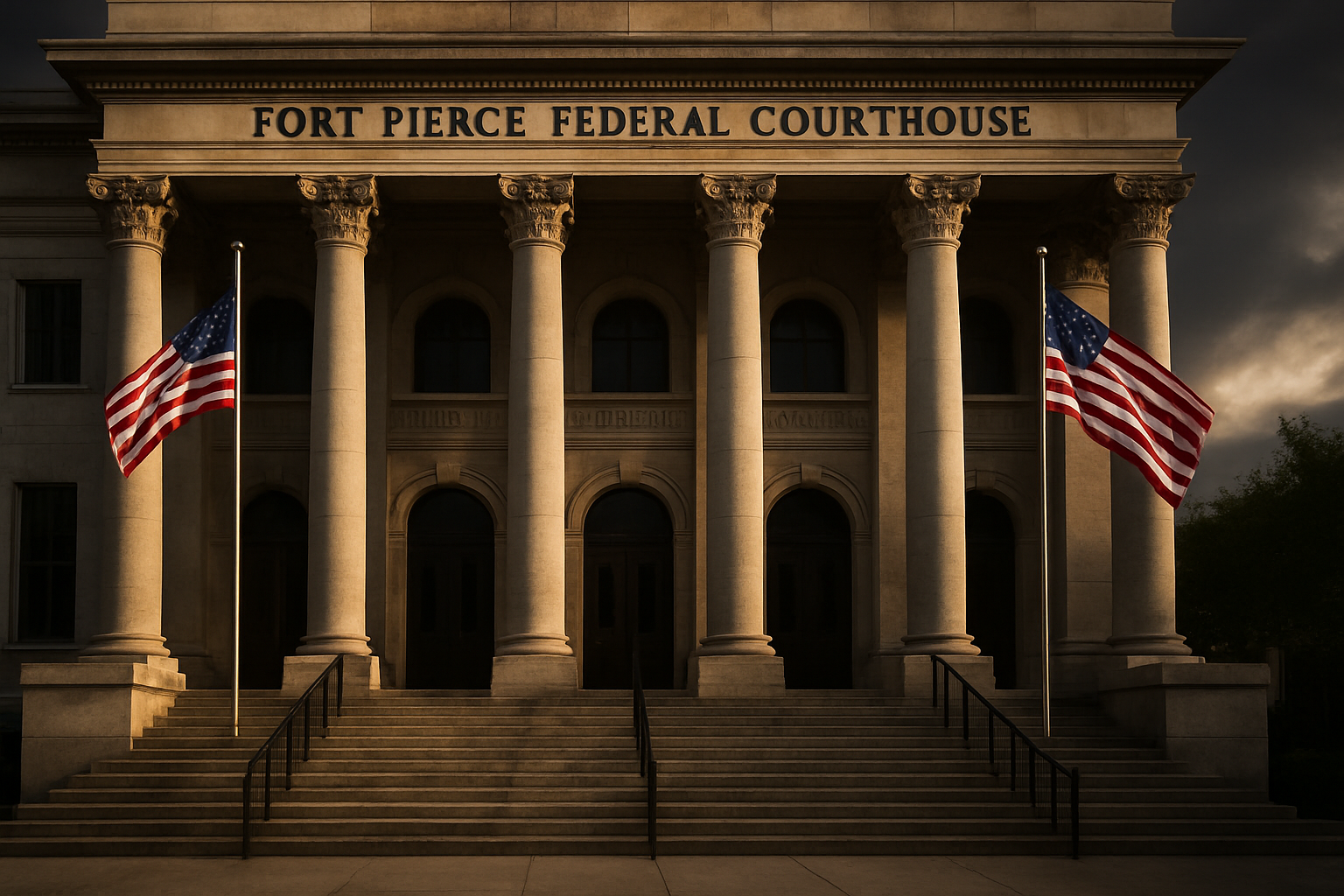
U.S. District Judge Aileen Cannon delivered the sentence Tuesday at the federal courthouse in Fort Pierce, Florida, marking the conclusion of one of the most serious threats against a U.S. presidential candidate in recent history. The sentencing occurred in the same courtroom where Routh had previously erupted into chaos in September when he attempted to harm himself with a makeshift weapon shortly after jurors found him guilty on all counts.
The Assassination Plot
Routh was convicted by a jury last September on five felony charges, including attempted assassination of a presidential candidate, assault on a federal officer, and multiple firearms violations. The incident occurred less than two months before the 2024 presidential election, when Routh hid in bushes along Trump's West Palm Beach golf course, armed with a semi-automatic rifle.
Secret Service agents spotted Routh lying in wait and engaged him before he could carry out the attack. The discovery of the armed individual in the golf course perimeter sparked immediate security protocols, ultimately preventing what prosecutors described as a carefully planned assassination attempt.
"This was a deliberate and evil plot," Judge Cannon stated during sentencing, emphasizing the premeditated nature of the crime.
— U.S. District Judge Aileen Cannon
Premeditation and Prior Planning
During the trial, prosecutors revealed evidence showing Routh had engaged in months of planning before the September 15, 2024 incident. The court heard testimony that Routh had conducted surveillance of Trump's movements and had written materials indicating his intent to complete the assassination.
Perhaps most disturbing to the court was evidence that Routh had left behind a letter offering reward money to anyone who could "complete the assassination" if he failed in his attempt. This letter, presented as evidence during the trial, demonstrated what prosecutors argued was Routh's unrepentant attitude and continued danger to public safety.
Judge Cannon noted that Routh showed no remorse throughout the legal proceedings, characterizing his demeanor as defiant rather than contrite. The judge applied a terrorism enhancement to the sentence, reflecting the gravity of attempting to assassinate a presidential candidate and the broader threat such actions pose to democratic institutions.
Additional Firearms Charges
In addition to the life sentence for the assassination attempt, Routh received an additional 84 months in federal prison for firearms charges related to his possession of the weapon used in the plot. The defendant was found to be a prohibited person under federal firearms laws, making his possession of the semi-automatic rifle illegal regardless of his intended use.
The firearms violations were treated as separate federal crimes, with the additional sentence running concurrently with the life imprisonment term. Federal prosecutors emphasized that Routh's access to weaponry despite his prohibited status highlighted gaps in enforcement that needed addressing.
Defense Plans Appeal
Defense attorney Martin Routh announced immediately following the sentencing that the defense team plans to appeal the conviction, particularly challenging the terrorism enhancement applied by Judge Cannon. The defense argued throughout the trial that while their client's actions were serious, they did not rise to the level of terrorism under federal statutes.
The appeal will likely focus on several aspects of the case, including the admissibility of certain evidence and the application of the terrorism enhancement. Defense counsel maintained that Routh's mental state at the time of the offense should have been given greater consideration during sentencing.
Courtroom Disruption and Security Concerns
The Fort Pierce federal courthouse where both the trial and sentencing occurred became the scene of dramatic courtroom disruptions. In September, following his conviction, Routh attempted to harm himself with a makeshift weapon he had apparently fashioned, forcing court security to intervene and prompting enhanced security measures for all subsequent proceedings.
Tuesday's sentencing proceeded without incident, though heightened security was visible throughout the courthouse. The case drew extensive media attention, with journalists from multiple countries covering what many legal experts characterized as one of the most significant assassination attempt prosecutions in decades.
Context of Political Violence
The Routh case represents part of a broader pattern of increasing political violence and threats against public officials in the United States. The attempted assassination occurred during a particularly volatile period in American politics, highlighting concerns about the security of presidential candidates and the potential for politically motivated violence.
Legal experts noted that the life sentence sends a strong message about the consequences of attempting to assassinate political figures, regardless of political motivation. The case has been closely watched by security professionals and legal scholars as a test of how the federal justice system handles the most serious forms of political violence.
Impact on Presidential Security
The incident at Trump's golf course prompted a comprehensive review of Secret Service protocols for protecting presidential candidates. The successful intervention by Secret Service agents prevented what could have been a catastrophic event, but also revealed vulnerabilities in perimeter security at private properties frequented by protected individuals.
Security experts have used the Routh case as an example of the evolving threats facing political figures and the need for adaptive security measures. The case has influenced discussions about resource allocation for candidate protection and the balance between public accessibility and security requirements.
International Media Coverage
The assassination attempt and subsequent trial drew significant international media attention, with news organizations across multiple continents covering the proceedings. The global coverage reflected both the international significance of threats against U.S. presidential candidates and broader concerns about political stability in democratic societies.
International observers noted that the case represented a test of American democratic institutions and the rule of law in addressing political violence. The life sentence was viewed by many international commentators as appropriate given the severity of the crime and its potential impact on democratic processes.
Looking Forward
With Routh now sentenced to life imprisonment without parole, the case moves to the appeals process, which could take years to fully resolve. The defendant will remain in federal custody throughout any appeals proceedings, with no possibility of release given the nature of his sentence.
The case has already begun influencing federal prosecution strategies for similar crimes, with prosecutors noting the successful use of terrorism enhancements in politically motivated violence cases. Legal scholars suggest the Routh prosecution may serve as a template for future cases involving threats against political figures.
For the Trump campaign and Secret Service, the case represents both a successful intervention and a reminder of the persistent threats facing political candidates. The comprehensive investigation and prosecution of Routh demonstrates the federal government's commitment to pursuing the most serious penalties for those who would use violence to disrupt democratic processes.