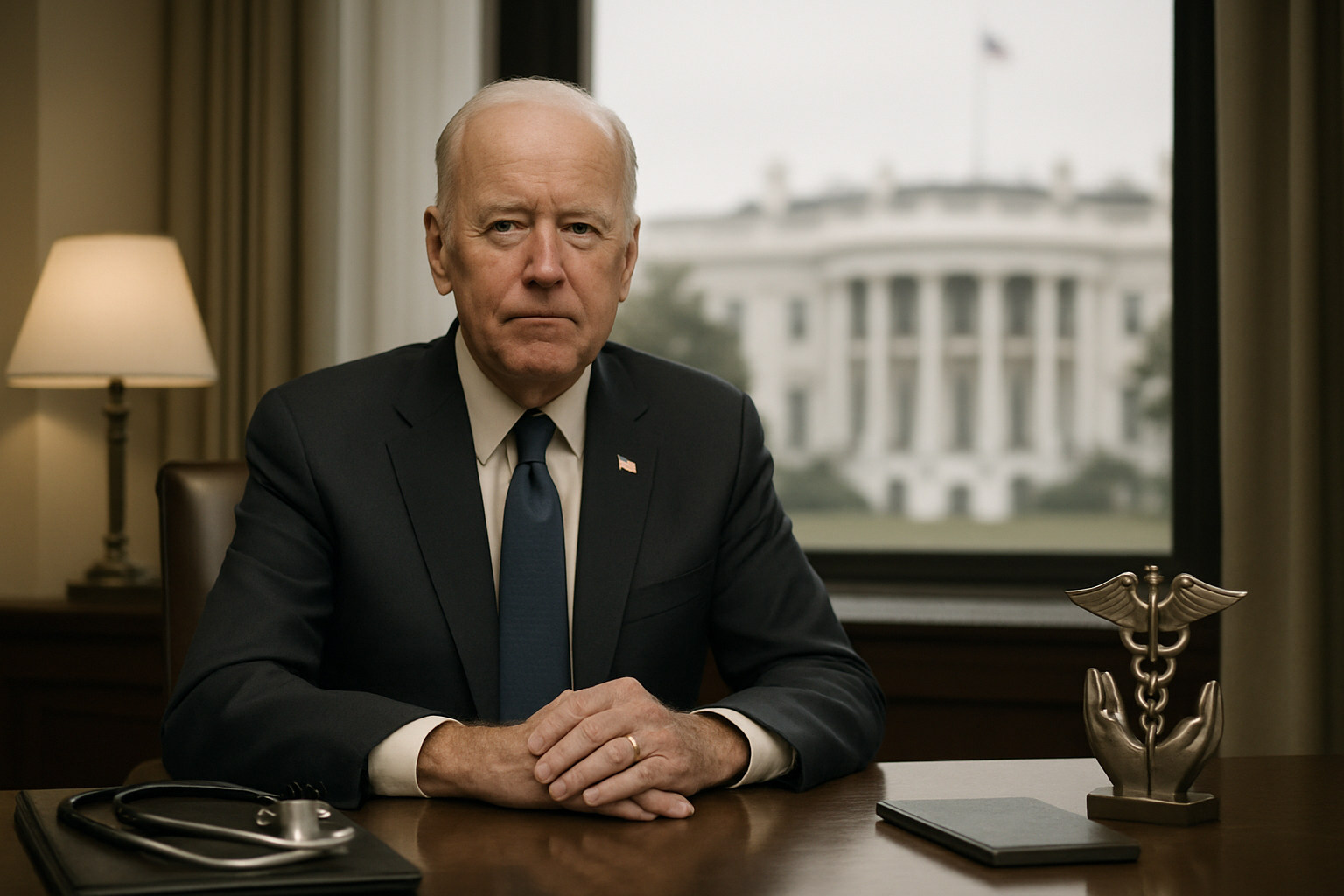
Susie Wiles, the first female White House Chief of Staff in U.S. history, has been diagnosed with breast cancer but will continue serving in her role "virtually full-time" while undergoing treatment, according to multiple international reports confirmed Monday.
The 67-year-old political strategist, who has been described as one of President Trump's closest advisers and instrumental in his successful 2024 campaign, received the diagnosis and has already begun treatment with what sources describe as an "excellent" prognosis.
Continuing Service During Treatment
Despite the health challenge, Wiles plans to maintain her demanding White House schedule. According to Australian media reports from the Sydney Morning Herald, she will serve "virtually full-time" during her treatment period, demonstrating her commitment to the administration during a critical time in Trump's second term.
The diagnosis comes as the Trump administration faces significant domestic and international challenges, including ongoing constitutional crises over Supreme Court rulings on tariffs, escalating tensions in the Middle East involving Iran, and complex diplomatic initiatives in Ukraine and Venezuela.
Historic Leadership Role
Wiles' appointment as Chief of Staff marked a historic milestone, making her the first woman to hold the position in the 235-year history of the American presidency. Her role has been particularly significant during Trump's second term, as she has been involved in major policy decisions and diplomatic initiatives.
Recent reports from March 2026 highlighted her participation in high-level meetings with Nobel Peace Prize laureate María Corina Machado during Venezuela diplomatic breakthrough discussions, alongside Secretary of State Marco Rubio, demonstrating her central role in foreign policy decisions.
"During the period of treatment, she will spend virtually all of her time at the White House."
— Statement from Trump Administration
Medical Context and Support
The diagnosis occurs during what healthcare experts have termed the "Therapeutic Revolution of 2026," a period marked by significant advances in cancer treatment and prevention-first healthcare strategies globally. Recent medical breakthroughs have improved outcomes for breast cancer patients, with survival rates reaching new highs in many developed nations.
Healthcare professionals emphasize that breast cancer, when caught early and treated promptly, has increasingly positive outcomes. The administration's statement regarding Wiles' "excellent" prognosis aligns with current medical trends showing improved survival rates and quality of life for patients receiving modern treatment protocols.
International Response and Coverage
The news has received extensive international coverage, with outlets from Denmark to Italy reporting on the development. The global attention reflects both Wiles' historic position and the significant role she plays in U.S. foreign policy during a period of complex international negotiations and tensions.
European media coverage has been particularly focused on the implications for ongoing diplomatic initiatives, including the administration's efforts in Middle East peace negotiations, Ukraine-Russia talks, and the unprecedented Venezuela recognition that Wiles helped coordinate.
Political and Strategic Implications
Wiles' continued service during treatment underscores the critical nature of her role during Trump's second term. As Chief of Staff, she serves as the primary gatekeeper to the President and coordinates policy implementation across government agencies.
Her decision to maintain her duties reflects both personal dedication and the administration's need for continuity during a period of significant policy challenges, including ongoing legal battles over executive authority, international diplomatic crises, and domestic policy implementation.
Healthcare Policy Context
The diagnosis comes at a time when healthcare policy remains a significant focus of the Trump administration. Recent initiatives have included the TrumpRx drug pricing program and various healthcare accessibility measures, making Wiles' personal health journey particularly relevant to current policy discussions.
Her experience may provide additional perspective on healthcare challenges facing American families, particularly regarding access to quality cancer care and the balance between professional responsibilities and medical treatment.
Support and Continuity
The White House has indicated that appropriate support structures will be put in place to ensure both Wiles' health needs are met and that her critical duties continue without interruption. This approach reflects modern workplace practices for supporting employees facing serious health challenges while maintaining operational effectiveness.
Political analysts note that Wiles' reputation for efficiency and strategic thinking will be crucial during her treatment period, as the administration navigates complex domestic and international challenges requiring steady leadership and clear communication.
Looking Forward
As Wiles begins her treatment journey, her case highlights broader issues around healthcare access, workplace accommodation for medical needs, and the evolving understanding of cancer as a manageable condition rather than an immediate career-ending diagnosis.
Her continued service also demonstrates the increasing recognition that modern cancer treatment, while demanding, can often be compatible with continued professional engagement, particularly with appropriate medical support and workplace flexibility.
The coming months will be closely watched as both a test of modern cancer treatment effectiveness and as a demonstration of how senior government officials can maintain their duties while addressing serious health challenges, potentially setting precedents for future situations involving high-level government officials.