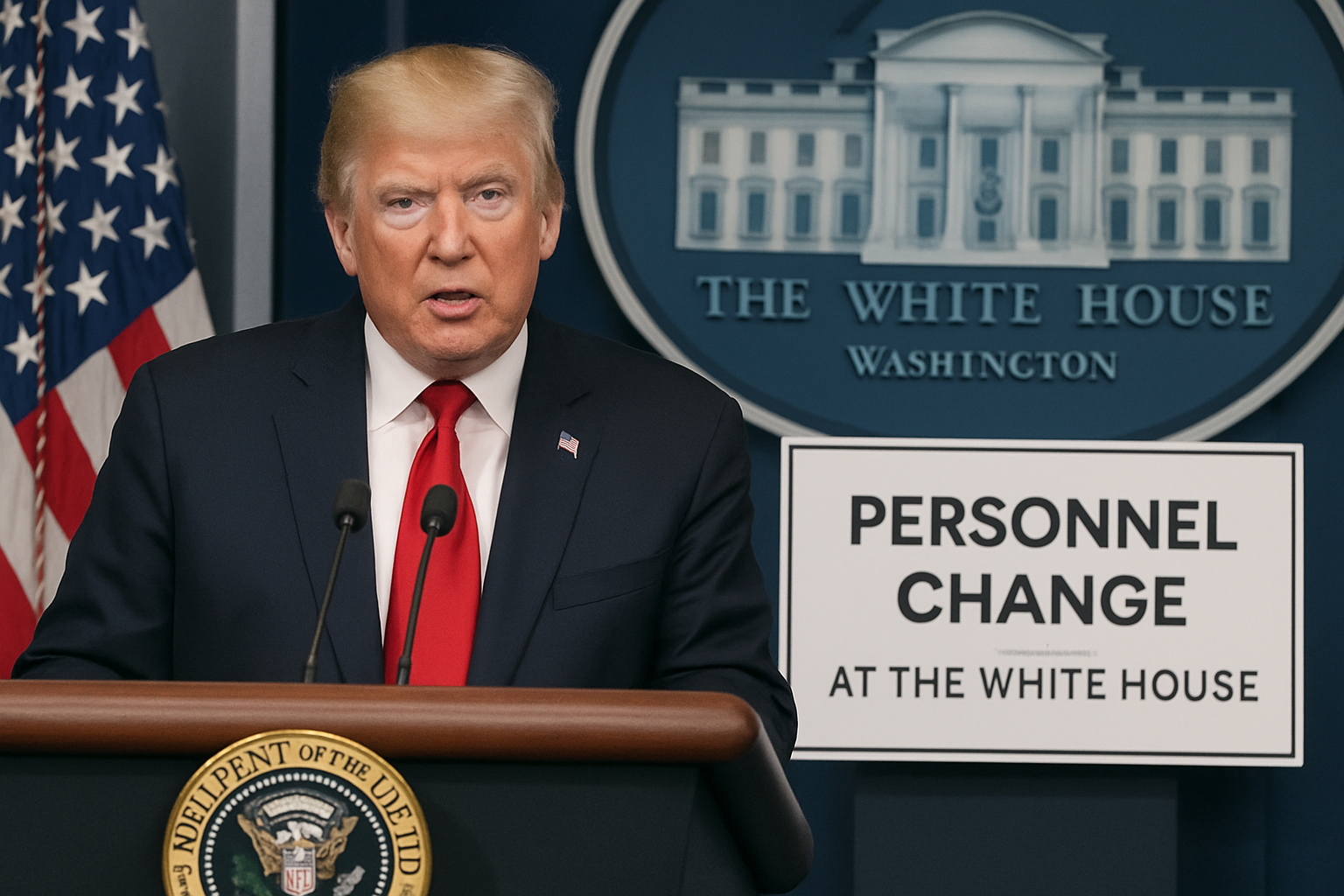
President Donald Trump dismissed Homeland Security Secretary Kristi Noem on Thursday via Truth Social, making her the first Cabinet member fired in his second term, and named Oklahoma Senator Markwayne Mullin as her replacement effective March 31st.
The decision follows mounting bipartisan criticism over controversial immigration enforcement policies, including fatal shootings of two U.S. citizens by ICE agents in Minneapolis and subsequent government shutdown pressures. Noem has been reassigned as "Special Envoy for The Shield of the Americas," a new Western Hemisphere security initiative.
Background to the Dismissal
The dismissal comes after several months of escalating tensions over immigration policy implementation. The fatal Minneapolis shootings of Alex Pretti and Renee Nicole Good by ICE agents in January 2026 during Operation Metro Surge became a turning point for the administration. The operation resulted in over 4,000 arrests and the deployment of up to 3,000 federal agents, but also triggered widespread protests and a three-day government shutdown in February.
According to German media reports, Trump was described as being "angry as a killer wasp" and was already considering Noem's replacement by Tuesday evening, following Congressional hearings that showed bipartisan opposition to her leadership. Republican Senator Thom Tillis had demanded Noem's resignation over what he called "disastrous leadership," threatening to halt the Trump agenda over ICE wrongful detentions.
"The President was angry as a killer wasp and was already examining Kristi Noem's replacement by Tuesday evening."
— Senator John Kennedy, as reported in Greek media
Markwayne Mullin: The Replacement
Oklahoma Senator Markwayne Mullin brings a unique background to the role, combining political experience with an unusual personal history. The 47-year-old senator and former House member is a Cherokee Nation member and former mixed martial arts fighter before entering politics. Trump praised Mullin's television appearances defending the administration during recent controversies.
German media described Mullin as "the next loyal MAGA follower" but noted that the President hopes he will bring "less drama" to the position than his predecessor. Mullin's nomination will require Senate confirmation, though his current Senate position suggests likely approval from Republican colleagues.
Noem's New Role and Policy Failures
Rather than being completely dismissed from government service, Noem has been reassigned to lead "The Shield of the Americas," a new Western Hemisphere security initiative. This represents an attempt to manage the political fallout while maintaining some continuity in personnel.
The immediate trigger for her dismissal appears to have been her handling of immigration enforcement, which generated unprecedented criticism. A problematic advertising film was also mentioned by German sources as contributing to her fall from grace. The administration faced mounting pressure after polling showed two-thirds of Americans believed ICE had "gone too far" under her leadership.
Operational Changes and Accountability Measures
Following the Minneapolis shootings, significant operational changes were implemented. Trump approved the withdrawal of 700 federal agents from Minnesota, reducing deployment from approximately 2,700-3,000 to 2,000 agents. Border Czar Tom Homan characterized this as "smarter law enforcement, not less law enforcement."
Noem herself had implemented mandatory body cameras for ICE agents in Minneapolis on February 2nd, following the civilian deaths. The administration also ended Operation Metro Surge entirely on February 12th, acknowledging the need for what Trump called a "softer touch" in immigration enforcement—a significant departure from his typically hardline stance.
Congressional Response and Political Context
Congressional reactions highlighted the bipartisan nature of criticism against Noem's leadership. Democrats had threatened to block DHS funding unless "drastic changes" were implemented in ICE operations, creating an unprecedented political crisis over immigration enforcement accountability.
House Speaker Mike Johnson scheduled two weeks of ICE reform debates, while federal judges began requiring ICE warrants unless there was an escape risk. The crisis occurred during a period when DHS funding was only secured through February 13th, setting up potential new political battles.
The dismissal also comes amid broader international criticism of U.S. immigration enforcement, with extensive coverage across European, Asian, and American media highlighting tensions in the U.S. immigration system.
Broader Administrative Implications
This personnel change occurs during a period of significant international challenges for the Trump administration. The President is simultaneously managing nuclear negotiations with Iran, overseeing peace talks regarding Ukraine-Russia tensions, and dealing with various domestic policy implementations.
The timing of Noem's dismissal, just as Trump faces criticism for his administration's handling of multiple international crises, suggests an attempt to demonstrate responsiveness to political pressure while maintaining core policy priorities.
Looking Forward
The transition represents an opportunity for the administration to reset its immigration policy approach while maintaining enforcement priorities. Mullin's confirmation process will likely focus on his plans for addressing the accountability concerns that led to Noem's dismissal.
With legal challenges to immigration policies continuing, international criticism mounting, and economic disruption from enforcement operations affecting multiple sectors, Mullin will inherit significant operational and political challenges at the Department of Homeland Security.
The March 31st transition date provides time for both confirmation proceedings and policy review, though the fundamental enforcement strategy is expected to remain unchanged according to administration sources. This personnel change reflects the administration's ongoing efforts to balance enforcement priorities with political sustainability and public accountability demands.