The Trump administration's immigration enforcement operations continue to expand globally despite mounting legal challenges, international diplomatic pressure, and widespread civil rights concerns, with new developments affecting everything from Temporary Protected Status for Haitians to deportations of long-term Irish residents.
Federal Courts Block Key Immigration Policies
Federal judges across multiple jurisdictions are increasingly challenging Trump administration immigration decisions. Most notably, a federal judge is currently hearing death threats during proceedings regarding the administration's move to end Temporary Protected Status (TPS) for Haitians, according to reports from The Haitian Times. The case represents one of several high-profile legal challenges to the administration's immigration policies.
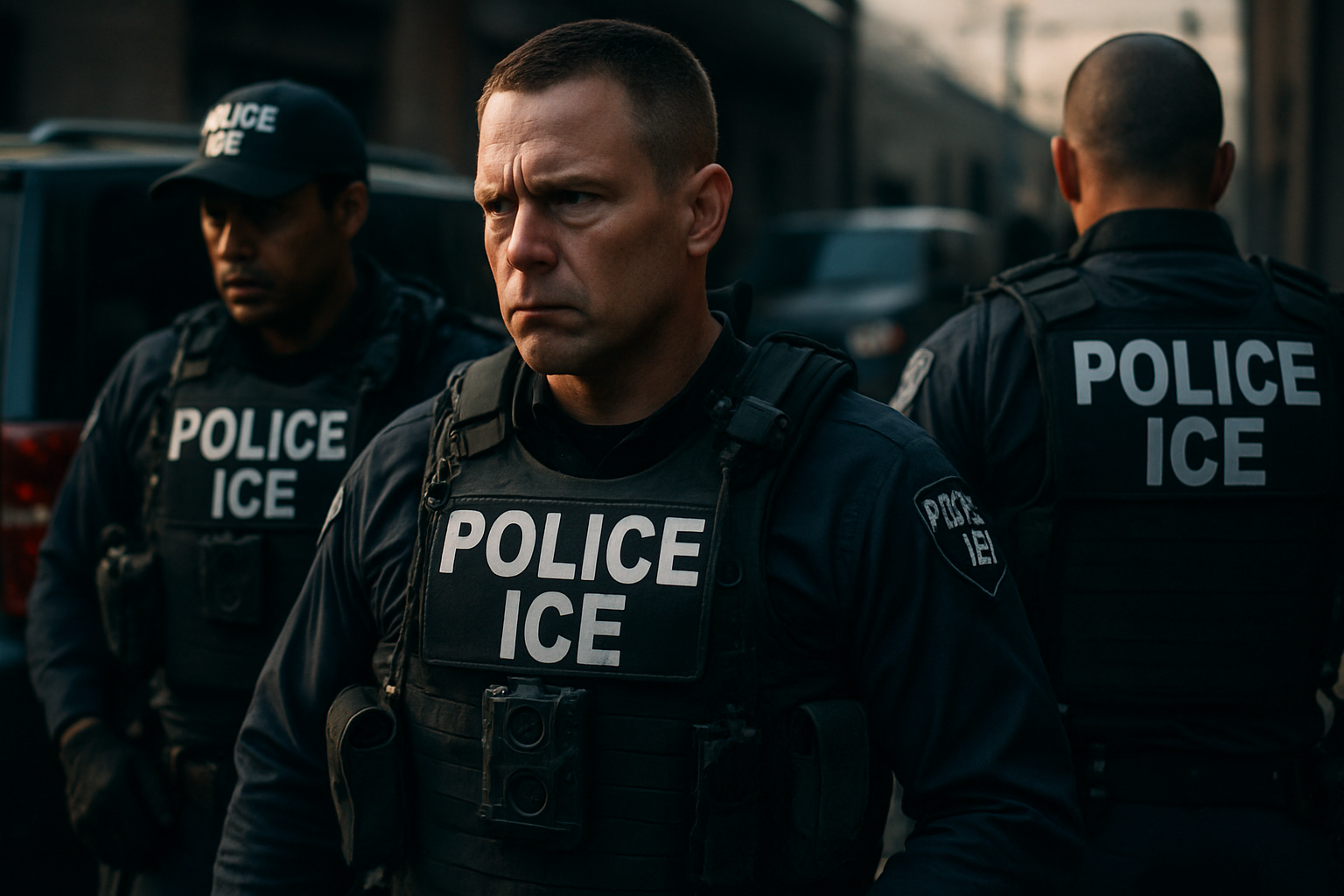
In Oregon, federal courts have established new requirements for Immigration and Customs Enforcement (ICE) operations, mandating warrants unless there is an escape risk. This development follows the implementation of body cameras for ICE agents in Minneapolis, instituted by DHS Secretary Kristi Noem after the fatal shootings of Alex Pretti and Renee Nicole Good by federal agents in January 2026.
International Cases Highlight Global Reach
The administration's immigration policies are affecting individuals far beyond U.S. borders. In a striking case reported by BreakingNews in Ireland, Seamus Culleton, who has lived in the United States for 20 years and is married to a U.S. citizen, was arrested in Boston in September and faces deportation over a 90-day visa overstay from decades ago.
"The case demonstrates how current enforcement priorities are reaching individuals with deep community ties and family connections, raising questions about the proportionality of current policies."
— Immigration attorneys, as reported in Irish media
Domestic Enforcement Operations Face Political Challenges
Within the United States, the administration's immigration enforcement has become a central political issue. NPR reporting reveals that the immigration crackdown in Maine has emerged as a top issue in the battle for a key Senate seat, with "Operation Catch of the Day" putting particular focus on GOP Senator Susan Collins.
The enforcement strategy has evolved significantly since the controversial "Operation Metro Surge" in Minnesota, which resulted in over 4,000 arrests, the deployment of up to 3,000 federal agents, and ultimately the deaths of two U.S. citizens. Border Czar Tom Homan has since characterized the modified approach as "smarter law enforcement, not less law enforcement."
Expanding Federal-Local Partnerships
According to NPR analysis, partnerships between ICE and local law enforcement agencies have expanded widely under the second Trump administration. The 287(g) program, which allows local law enforcement to assist in immigration enforcement, has seen unprecedented growth, with data showing dramatic increases in participation since January 2025.

This expansion has created complex political dynamics, with some jurisdictions embracing the partnerships while others resist. The controversy extends to corporate America, with major retailers like Target facing employee pressure over ICE workplace protocols and access policies.
Minnesota Case Study: From Controversy to Criticism
Minnesota has become a crucial test case for immigration enforcement accountability. NPR reports reveal that while Minnesota Republicans defend their focus on social service fraud investigations that led to increased ICE presence, Democrats blame Republicans for "paving the way for the ICE surge" that followed.
The state experienced a dramatic escalation when social media influencers were invited to highlight alleged fraud, subsequently leading to intensive federal enforcement operations. The situation created what officials described as a "climate of concern" in immigrant communities, with families avoiding essential services and businesses disrupted by enforcement actions.
International Diplomatic Implications
The scope of current immigration enforcement has drawn international attention and concern. Memory records indicate that European media has provided extensive coverage, with outlets using terms like "bloodbath" to describe the enforcement climate. Mexican government officials have issued warnings about ICE operations during major public events, including the Super Bowl.
The enforcement expansion has complicated diplomatic relationships, particularly as the administration simultaneously pursues complex negotiations on other international issues. The broader context includes civil rights lawsuits challenging visa suspensions affecting 75 countries and systematic challenges to established refugee and asylum protections.
Legal and Constitutional Challenges Mount
Federal Judge Ana Reyes blocked the administration's attempt to terminate TPS for approximately 350,000 Haitians, ruling that the decision was motivated by discriminatory considerations. This represents one of several successful legal challenges that have slowed implementation of key policies.
Constitutional experts note that the current enforcement approach represents a significant expansion of federal immigration powers, raising questions about the balance between security concerns and individual rights. The systematic nature of the legal challenges suggests coordinated resistance from civil rights organizations and legal advocacy groups.
"The pattern of judicial oversight represents an important check on executive power, ensuring that immigration enforcement operates within constitutional and legal bounds."
— Legal analysts tracking immigration court decisions
Economic and Social Impact
The enforcement operations have created significant economic disruption across multiple sectors. Agriculture, hospitality, and healthcare industries report workforce shortages and operational challenges. Families in affected communities report avoiding essential services, creating public health and safety concerns.
Native American communities have reported particular challenges, with individuals facing racial profiling despite their status as indigenous peoples. Tribal authorities have established safe zones and are issuing special identification cards for protection during enforcement operations.
Technology and Surveillance Expansion
The administration has implemented sophisticated tracking and surveillance systems as part of enforcement operations. Daily deportation flights now operate from multiple airports, with professional aviation enthusiasts documenting the systematic nature of removal operations.
Court records reveal that enforcement operations have evolved beyond traditional workplace and residential raids to include complex operations involving military-style equipment, including the documented use of Black Hawk helicopters in Chicago apartment raids, despite initial claims about targeted criminal enforcement that were later contradicted by the actual operational scope.
Looking Forward: Institutional Accountability
The current situation represents a fundamental test of democratic oversight of federal law enforcement agencies. Congressional Democrats have threatened DHS funding blocks unless "drastic changes" are implemented, while House Speaker Mike Johnson has scheduled comprehensive ICE reform debates.
The implementation of body cameras in Minneapolis, following the civilian deaths, has established a precedent for accountability measures that may expand to other jurisdictions. International observers are monitoring these developments as a test of American democratic institutions' ability to balance security concerns with civil rights protections.
As enforcement operations continue, the administration maintains that its overall strategy remains unchanged despite tactical adjustments in Minnesota and other locations. The coming months will likely determine whether current policies represent a temporary intensification or a permanent shift in American immigration enforcement philosophy.
The intersection of legal challenges, international pressure, and domestic political resistance suggests that immigration enforcement will remain a central battleground for defining the limits of executive power and the protection of individual rights in contemporary American democracy.