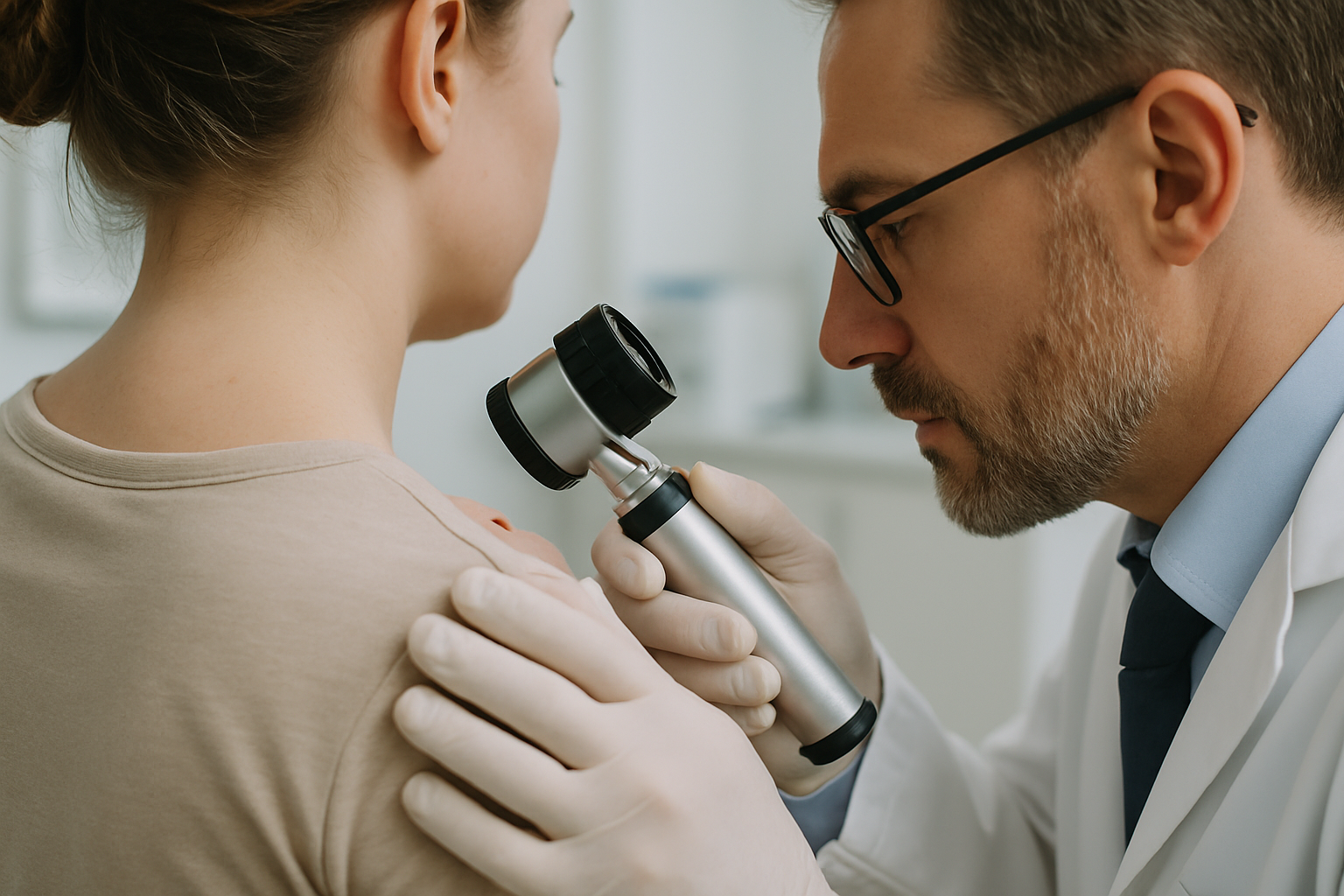
US President Donald Trump is receiving medical treatment for a large red spot that appeared on his neck, drawing widespread attention and raising questions about presidential health transparency during one of the most challenging periods of his second presidency.
The visible spot on Trump's neck was noticed during Monday's Medal of Honor ceremony, immediately sparking speculation about his health status. According to initial reports, the appearance prompted medical consultation and ongoing treatment protocols.
White House Medical Response
The White House physician addressed the concerns in a statement to CBS News, explaining that the red spot represents "a temporary reaction to preventive dermatological treatment." The medical team emphasized this was part of routine preventive care rather than treatment for any serious underlying condition.
White House Press Secretary Karoline Leavitt initially dismissed concerns as "fake outrage" over what she characterized as routine medical care. However, the administration's response evolved as questions persisted about the nature and extent of the treatment being provided.
The president himself told reporters he "only saw first part, didn't watch it completely" when asked about public attention to his appearance, but later declared he "didn't make a mistake" and refused to apologize, stating "There doesn't have to be an apology for everything."
Medical Context and Presidential Health
The incident occurs against the backdrop of ongoing discussions about presidential health transparency. Medical experts note that dermatological issues requiring preventive treatment are common, particularly among individuals with extensive sun exposure over many years.
"Preventive dermatological treatments often involve topical medications that can cause temporary skin reactions and discoloration. This is typically part of proactive healthcare rather than reactive treatment for serious conditions."
— Dr. Sarah Mitchell, Dermatological Health Specialist
The Romanian media outlet Digi24 provided additional context, noting that such medical attention during high-profile public appearances often raises questions about the timing and management of routine healthcare for public figures.
Constitutional Crisis Context
The health concerns emerge during an unprecedented period of constitutional tension for the Trump administration. The president is currently navigating multiple crises including:
- The Supreme Court's devastating 6-3 ruling striking down his global tariff program
- Sliding approval ratings, particularly on immigration policies
- Congressional resistance materializing in bipartisan opposition to trade policies
- International diplomatic challenges including Iran nuclear talks and European Union tensions
Political analysts note that any questions about presidential health during such a turbulent period inevitably raise concerns about leadership capacity and decision-making during critical moments.
Historical Precedent and Transparency
Presidential health has long been a subject of public interest and constitutional importance. The 25th Amendment provides mechanisms for addressing presidential incapacity, making health transparency a matter of democratic governance rather than merely personal privacy.
Previous administrations have faced similar scrutiny over health issues, from Franklin D. Roosevelt's polio to Ronald Reagan's age-related concerns to more recent questions about various presidents' physical and mental fitness for office.
International Coverage and Reactions
The story received extensive international media coverage, reflecting global attention to American presidential health during a period of significant international tensions. European outlets have been particularly focused on the story given ongoing trade disputes and diplomatic challenges between the US and EU.
The timing is particularly sensitive given Trump's upcoming diplomatic engagements, including planned visits to China and continued negotiations on various international issues where presidential capability and focus are essential.
Medical Privacy vs. Public Interest
The incident highlights the ongoing tension between presidential medical privacy rights and the public's legitimate interest in the health of their leader. Constitutional scholars note that while presidents retain certain privacy rights, the office's responsibilities create heightened transparency expectations.
Medical professionals emphasize that many dermatological treatments, particularly preventive ones, are routine and do not indicate serious health problems. However, the visibility of the treatment's effects during public appearances inevitably draws attention and speculation.
Administrative Response Evolution
The White House response to health questions has evolved from initial dismissal to more detailed medical explanations. This pattern reflects the administration's broader approach to managing public inquiries about presidential health and capacity.
Officials now emphasize that the treatment represents proactive healthcare management rather than response to any serious medical condition, positioning it within routine preventive care protocols recommended for individuals in high-stress leadership positions.
Political and Health Implications
As Trump continues to navigate multiple domestic and international challenges, questions about his health add another dimension to ongoing political pressures. The administration's handling of health transparency issues may influence public confidence during critical policy decisions.
Medical experts stress that preventive dermatological care, while sometimes causing temporary visible effects, typically represents responsible health management rather than cause for serious concern about leadership capacity.
The incident serves as a reminder of the unique intersection between personal health, public service, and democratic transparency that characterizes the American presidency, particularly during periods of significant national and international challenges.