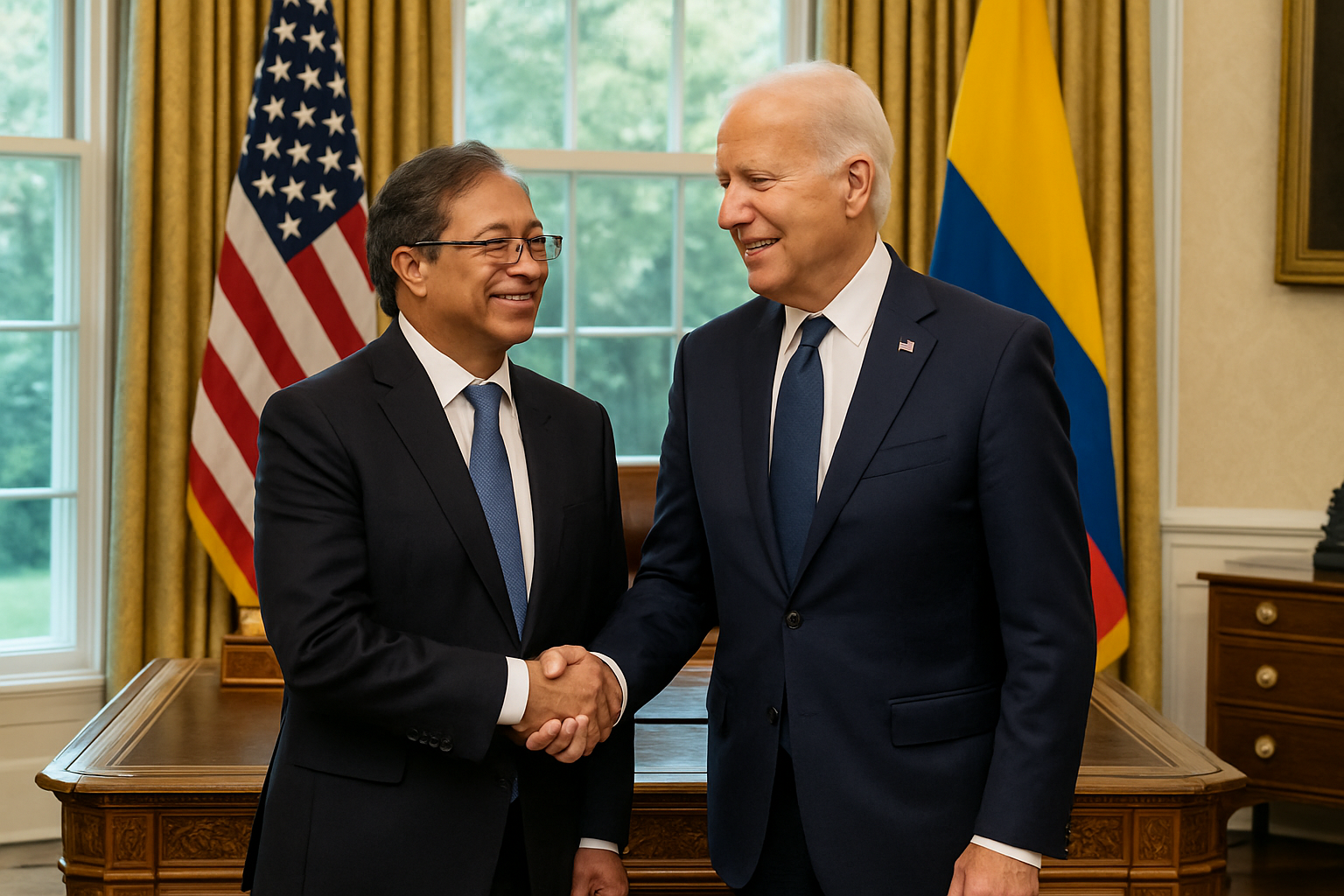
President Donald Trump and Colombian President Gustavo Petro held a pivotal two-hour meeting at the White House on February 3, 2026, marking a dramatic diplomatic reset after months of acrimonious exchanges over drug trafficking, immigration policies, and regional security.
The historic face-to-face encounter in the Oval Office, which lasted from 10:53 AM to 1:03 PM, represented the first high-level diplomatic engagement between the leaders after a year of public feuding that saw Trump label Petro a "drug-trafficking leader" and Petro denounce U.S. military strikes as "barbaric."
From Public Feuds to Diplomatic Reconciliation
The relationship between Washington and Bogotá had deteriorated significantly over the past year. The U.S. revoked Petro's visa in 2025 after the Colombian president denounced Trump's strikes on alleged cartel boats in the Caribbean and argued that deportations of Colombian nationals by U.S. immigration officials violated human rights.
Despite these tensions, both leaders struck a conciliatory tone ahead of the meeting. The encounter was designed around substance over ceremony, with no military honors or elaborate protocols, focusing instead on addressing critical bilateral issues including counter-narcotics cooperation, Venezuelan border security, and trade disputes.
"He and I weren't exactly the best of friends before, but we got along very well today. It was terrific."
— President Donald Trump, following the meeting
Key Outcomes and Agreements
The meeting produced several significant developments in U.S.-Colombia relations. Both leaders agreed on the necessity of combating drug trafficking jointly, with Colombia presenting a list of cartel leaders operating outside its borders and requesting international assistance for apprehension.
Trump agreed to mediate the ongoing Colombia-Ecuador dispute, while discussions also covered cooperation on Venezuelan gas exports through Colombia and enhanced border security measures along Colombia's frontier with Venezuela. The leaders explored military cooperation possibilities between Colombia and Venezuela to combat the National Liberation Army (ELN).
Petro later reported that Trump expressed skepticism about the effectiveness of economic sanctions, with both leaders agreeing to pursue more practical forms of cooperation. The Colombian president emphasized the "optimistic climate" of the discussions and called for "real cooperation" against drug trafficking rather than punitive measures.
Symbolic Gestures of Renewed Partnership
The meeting featured several symbolic moments that underscored the diplomatic reset. Trump presented Petro with a signed copy of his book "The Art of the Deal" inscribed with "You Are Great," along with an official folder bearing the message "Gustavo, a great honor. I love Colombia."
Vice President JD Vance attended the meeting alongside Secretary of State Marco Rubio and Colombian Foreign Minister Rosa Villavicencio. The presence of high-level officials from both sides demonstrated the importance both administrations placed on repairing the relationship.
In a lighthearted moment that captured international attention, Petro later posted the gifts on social media with the playful question: "What did Trump want to tell me with this dedication? I don't understand much English."
Regional Implications and Strategic Context
The rapprochement comes at a crucial time for regional stability, with Venezuela undergoing significant political transitions following the removal of Nicolás Maduro in January 2026. Colombia plays a vital role in U.S. strategy for the region, particularly in counter-narcotics operations and managing the Venezuelan crisis.
The meeting occurs against the backdrop of broader U.S. engagement with Latin America, as the Trump administration seeks to counter Chinese influence in the hemisphere while addressing migration and security challenges. Colombia's cooperation is essential for these efforts, given its strategic location and role as a key ally in South America.
European and regional observers noted the pragmatic approach both leaders took, prioritizing strategic interests over previous ideological differences. The meeting was conducted privately without press access, allowing for frank discussions on sensitive issues.
Looking Forward: Framework for Future Cooperation
The successful meeting establishes a framework for ongoing U.S.-Colombia cooperation despite previous tensions. Both countries face shared challenges in combating organized crime, managing regional migration flows, and ensuring stability in the volatile border region with Venezuela.
The timing is particularly significant as Petro approaches the final months of his presidency before the August 2026 transition. The diplomatic reset provides an opportunity to cement bilateral achievements and establish continuity for future administrations.
International media coverage highlighted the meeting as an example of diplomatic pragmatism, with both leaders demonstrating that strategic partnerships can transcend personal and ideological differences when mutual interests are at stake.
The White House meeting represents a turning point in U.S.-Colombia relations, moving from confrontation to cooperation at a critical juncture for regional security and stability. As both nations face complex challenges in the coming months, the restored diplomatic relationship provides a foundation for addressing shared concerns through partnership rather than conflict.