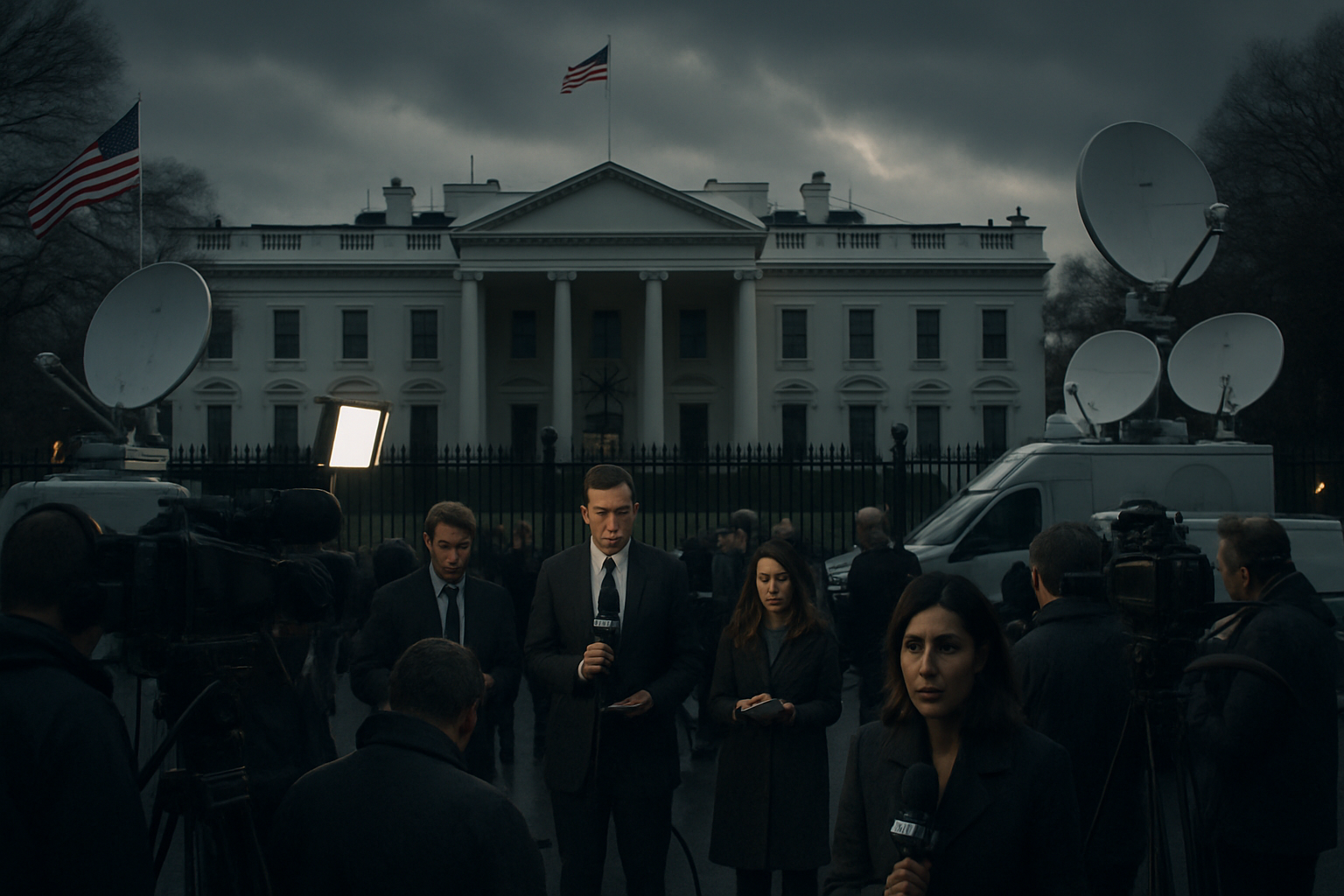
President Donald Trump sparked international outrage on February 6, 2026, after posting a racist video on Truth Social depicting former President Barack Obama and First Lady Michelle Obama as monkeys, before deleting the content and blaming a White House staffer for the controversial post.
The inflammatory video, which remained online for approximately 18 hours before being removed Friday afternoon, showed the faces of the Obamas superimposed onto the bodies of dancing apes while the song "The Lion Sleeps Tonight" played in the background. The 62-second clip was part of a larger conspiracy theory video about alleged 2020 election irregularities.
White House Scrambles to Control Damage
Initially, White House Press Secretary Karoline Leavitt defended the post, dismissing criticism as "fake outrage" and characterizing the video as "an internet meme depicting President Trump as the king of the jungle and Democrats as characters from The Lion King." She urged the media to "stop the fake outrage and report on something today that actually matters to the American public."
However, by Friday evening, the administration's tone shifted dramatically. A White House official issued a statement claiming "A White House staffer erroneously made the post. It has been taken down." The reversal came as condemnation poured in from both Democratic leaders and some Republicans.
The video appeared near the end of the longer conspiracy theory content, showing the Obamas with their faces digitally manipulated onto monkey bodies for approximately one second of the total runtime.
Bipartisan Condemnation and International Reaction
The post immediately drew sharp criticism across party lines. Democrats characterized the imagery as "blatantly racist," while the group Republicans Against Trump condemned the "racist image" and called for accountability.
International media coverage was extensive, with outlets from Argentina to Finland reporting on what many described as an unprecedented racist attack by a sitting U.S. president on his predecessor. European media used terms like "shocking" and "deeply concerning" to describe the post's impact on America's international standing.
"This represents a grave departure from the dignity expected of the office of the presidency,"
— Congressional Democratic Leadership Statement
The controversy unfolded as Trump faces mounting challenges on multiple fronts, including ongoing immigration enforcement criticism following fatal ICE shootings in Minneapolis and diplomatic tensions with European allies over various policy disputes.
Historical Context and Racist Imagery
The use of monkey imagery to depict Black Americans has deep historical roots in racist propaganda and represents one of the most offensive forms of dehumanizing rhetoric. The targeting of Obama, the nation's first Black president, with such imagery carries particular significance given his historic role and continued influence in American politics.
This incident recalls previous controversies during Trump's first presidency, including his promotion of "birther" conspiracy theories about Obama's citizenship and various racially charged social media posts that drew widespread condemnation.
Civil rights organizations noted that the post appeared to violate Truth Social's own community guidelines regarding hate speech, raising questions about content moderation policies on the platform Trump owns.
Platform Accountability Questions
The incident has renewed scrutiny of Trump's Truth Social platform and its content moderation practices. Unlike other major social media platforms that have faced regulatory pressure over hate speech, Truth Social has operated with minimal oversight despite hosting increasingly controversial content.
Technology experts noted that the video appeared to use artificial intelligence to create the manipulated imagery, raising concerns about the proliferation of AI-generated racist content and the platforms' responsibilities to prevent such material from spreading.
Political Implications and Timing
The racist post comes at a particularly sensitive time for the Trump administration, which has faced criticism over immigration enforcement tactics and international relations. The timing coincides with ongoing diplomatic efforts regarding nuclear arms control negotiations and Middle East peace initiatives, potentially complicating America's global relationships.
Political analysts suggested the controversy could impact Trump's standing with moderate voters and complicate relationships with international allies who have already expressed concerns about various administration policies.
The White House's shifting explanations—from defending the post as humor to blaming a staffer error—have raised questions about the administration's credibility and internal communication processes.
Legal and Ethical Considerations
Legal experts noted that while the post likely doesn't violate criminal law, it raises significant ethical questions about presidential conduct and the standards expected of elected officials. Some constitutional scholars suggested the incident could factor into broader discussions about presidential accountability and appropriate use of social media platforms.
The rapid deletion and blame assignment to a staffer has led to calls for the White House to identify the responsible party and explain how such content could be posted without proper oversight.
Ongoing Fallout
As of Friday evening, neither Barack nor Michelle Obama had publicly responded to the racist imagery. Their representatives declined to comment, though sources close to the former first family described them as "deeply disappointed but not surprised" by the incident.
The controversy continues to generate international media coverage, with many outlets framing it within broader concerns about democratic norms and presidential behavior. Social media platforms reported increased discussion about racism, presidential accountability, and content moderation policies.
This incident marks another chapter in the ongoing tensions between current and former administrations, though the explicitly racist nature of the imagery represents an escalation that has drawn condemnation across traditional political boundaries.