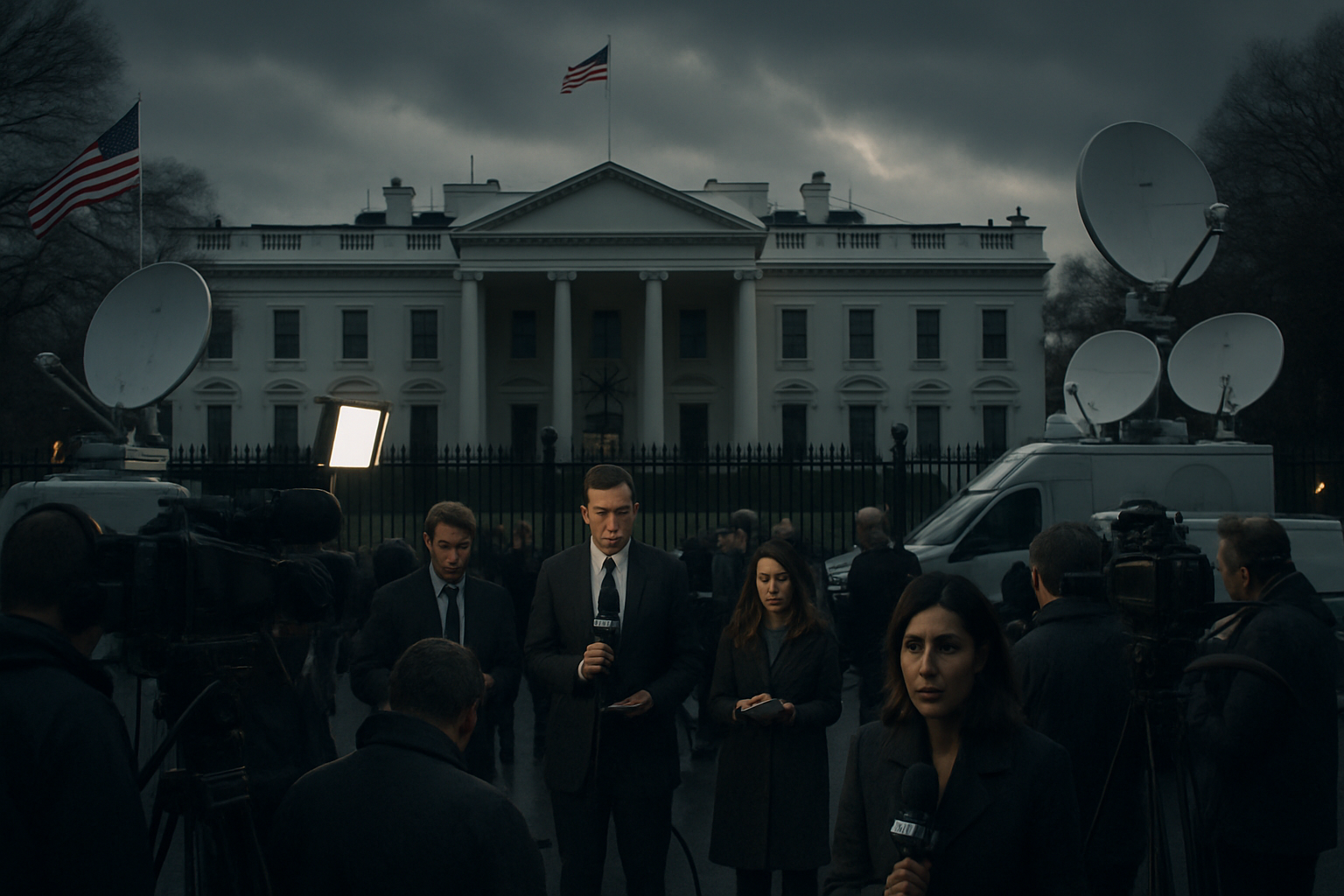
President Donald Trump sparked international condemnation and bipartisan outrage after sharing a racist video depicting former President Barack Obama and former First Lady Michelle Obama as apes on his Truth Social platform Thursday night, before removing it hours later following widespread criticism.
The controversial video, which remained online for approximately 18 hours, showed the faces of Barack and Michelle Obama superimposed on the bodies of dancing monkeys in a jungle setting while "The Lion Sleeps Tonight" played in the background. The racist imagery appeared at the end of a longer 62-second video promoting unfounded election conspiracy theories.
White House Response Shifts from Defense to Blame
The White House's response evolved dramatically throughout the crisis. Initially, Press Secretary Karoline Leavitt dismissed criticism as "fake outrage" over what she characterized as an "internet meme." However, by Friday afternoon, the administration completely reversed course.
"A White House staffer erroneously made the post. It has been taken down."
— White House Official, AFP
The dramatic shift from defending the post as legitimate political commentary to blaming an unnamed staff member highlighted the severity of the backlash and the administration's recognition that the content had crossed acceptable boundaries.
International Media Coverage and Condemnation
The controversy generated extensive international coverage, with media outlets across multiple continents reporting on what many characterized as an unprecedented presidential scandal. French outlet Le Monde noted the video had been posted "by error" according to the White House, while German and Swedish media used terms like "racist" and "bloodbath" to describe the incident.
The racist imagery particularly resonated internationally due to its historical context - the dehumanizing portrayal of African Americans as primates has been a cornerstone of racist propaganda for centuries and was seen as especially egregious when targeting America's first Black president and First Lady.
Bipartisan Political Backlash
The video drew condemnation from across the political spectrum, including from Republican allies typically supportive of Trump. GOP Senator Tim Scott was among those expressing serious concerns about the content, while House Speaker Nancy Pelosi issued a scathing statement.
"The overnight post from the President of the United States is nothing but vile, racist filth. He should be ashamed of himself."
— House Speaker Nancy Pelosi
The bipartisan nature of the criticism was particularly significant, as it demonstrated that the racist content crossed traditional party lines and violated widely accepted standards of presidential conduct.
Technical Details and Origin
According to multiple sources, the offensive clip appeared to originate from a video shared in October 2025 by an X (formerly Twitter) user with the caption "President Trump: King of the Jungle." The racist imagery was spliced into Trump's longer video promoting election conspiracy theories, with the Obama footage appearing for approximately one second of the 62-second total runtime.
The video appeared to use AI-generated or heavily manipulated imagery, raising additional concerns about the use of technology to create and spread racist content. Platform community guidelines typically prohibit such content as hate speech, though Truth Social's specific policies and enforcement mechanisms remain less stringent than mainstream platforms.
Historical Context and Significance
The incident represents an escalation from Trump's previous controversies involving the Obama family, including his prominent role in promoting "birther" conspiracy theories questioning Barack Obama's citizenship during his presidency. The use of explicitly racist imagery targeting the first Black president and First Lady marked a new low in presidential conduct.
Civil rights organizations emphasized the historical significance of such imagery, noting how dehumanizing portrayals of African Americans as animals were central to justifying slavery and segregation. The targeting of Barack and Michelle Obama, who broke historic barriers and served with distinction, made the offense particularly egregious.
Digital Platform Accountability
The controversy also raised questions about content moderation on Truth Social, Trump's own social media platform. Unlike mainstream platforms that have implemented policies against racist content, Truth Social has positioned itself as a "free speech" alternative with minimal content restrictions.
The fact that the post remained online for 18 hours before deletion suggested either inadequate automated detection systems or a deliberate decision to leave offensive content accessible. The eventual removal only after widespread public outcry raised questions about the platform's commitment to basic standards of decency.
International Diplomatic Implications
The incident occurred during a sensitive period in international relations, with the United States engaged in critical diplomatic negotiations including Ukraine peace talks and nuclear discussions with Iran. Foreign diplomats and international media noted how such controversies undermine American moral authority on the global stage.
The racist video controversy was particularly damaging given ongoing efforts to strengthen relationships with African nations and address historical injustices. International observers questioned how such conduct by the American president affected the country's credibility in promoting democratic values worldwide.
Legal and Ethical Considerations
While the First Amendment protects even offensive speech from government censorship, presidential conduct is held to higher standards given the office's symbolic importance and global influence. Constitutional scholars noted that while the content may be legally permissible, it violates fundamental norms of presidential behavior and democratic leadership.
The shifting explanations - from defending the content to blaming staff error - also raised questions about accountability and transparency within the administration. The lack of consistency in the White House response suggested either poor crisis management or deliberate obfuscation of responsibility.
Community and Civil Rights Response
Civil rights organizations and community leaders across the country condemned the video as an attack on the dignity of all African Americans. The imagery was seen not just as targeting the Obama family personally, but as perpetuating harmful stereotypes that have been used throughout American history to justify discrimination and violence.
Community leaders emphasized that such content from the highest office in the land legitimizes and normalizes racist attitudes, potentially contributing to increased hate crimes and discrimination against African Americans nationwide.
Media Ethics and Coverage Decisions
The controversy also highlighted challenges facing news organizations in covering such content. Many outlets struggled with how extensively to describe or show the offensive material while still informing the public about the presidential misconduct. The decision by most major outlets to describe rather than display the imagery reflected ethical considerations about not further amplifying racist content.
International coverage was generally more direct in characterizing the content as racist, while some American outlets used more circumspect language, illustrating different editorial approaches to covering presidential scandals involving explicitly racist material.
Broader Implications for Democratic Norms
The incident represents another erosion of traditional presidential norms and standards of conduct. Historical precedent suggests that such explicitly racist content from a sitting president would previously have been unthinkable and politically devastating.
The controversy occurred amid broader concerns about democratic institutions and norms, with the Trump administration facing criticism on multiple fronts including immigration enforcement, international relations, and domestic policy. The racist video controversy added another dimension to ongoing debates about presidential accountability and the boundaries of acceptable conduct.
Looking Forward
As the controversy continues to generate international coverage and domestic debate, questions remain about long-term consequences for American politics and society. The incident has reignited discussions about social media platform responsibilities, presidential accountability, and the ongoing struggle against racism in American public life.
The White House's shifting explanations and eventual deletion of the content suggest recognition of the severity of the offense, but critics argue that initial defenses of the material reveal the administration's true attitudes toward such racist content.
The controversy serves as another test of American democratic institutions and their ability to hold leaders accountable for conduct that violates basic standards of decency and respect. As investigations and political responses continue, the incident will likely influence ongoing debates about presidential power, social media regulation, and the fight against racism in American society.